Golden Rooster Film Forum · Academic Forum: Chinese Cinema and the Narration of the Times
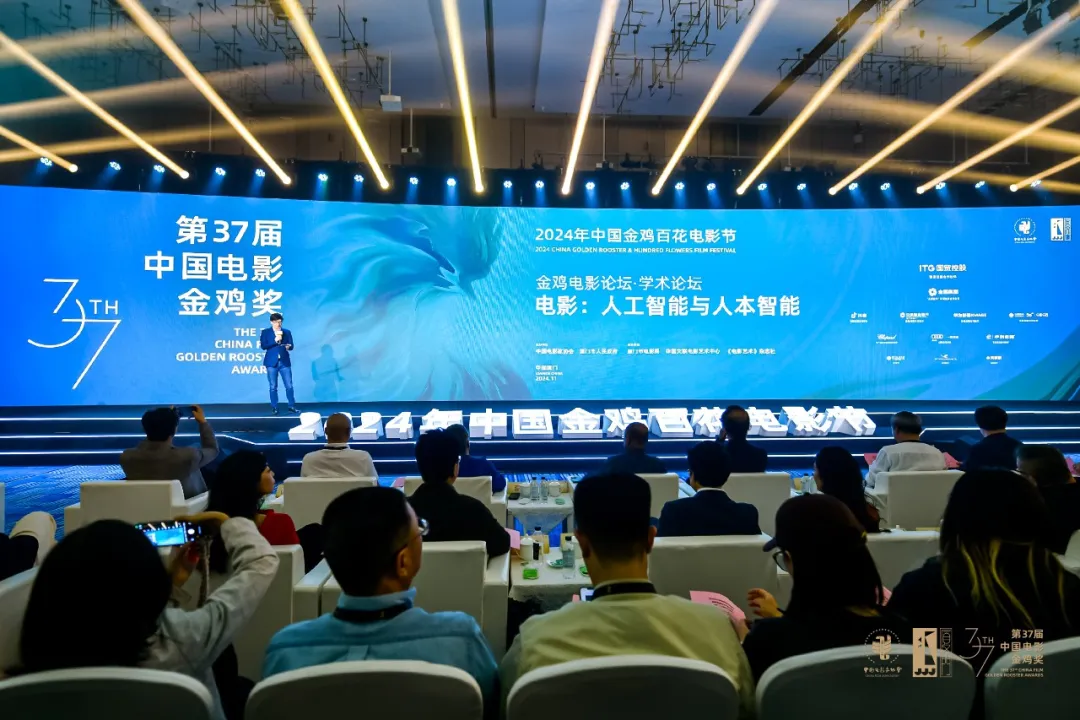
As the whole Party and the whole nation study and implement the guiding principles of the Fourth Plenary Session of the 20th CPC Central Committee and work to stimulate the cultural innovation and creativity of the entire nation, the Academic Forum of the Golden Rooster Film Forum was held recently. Under the theme “Chinese Cinema and the Narration of the Times”, the forum examined the relationship between Chinese cinema and social and cultural trends, traced how generations of filmmakers have intertwined with society and culture, and furthered dialogue between creative practice and scholarship. Representatives from industry, academia and research shared their views in a distinctive exchange.
Filmmaking and Our Times
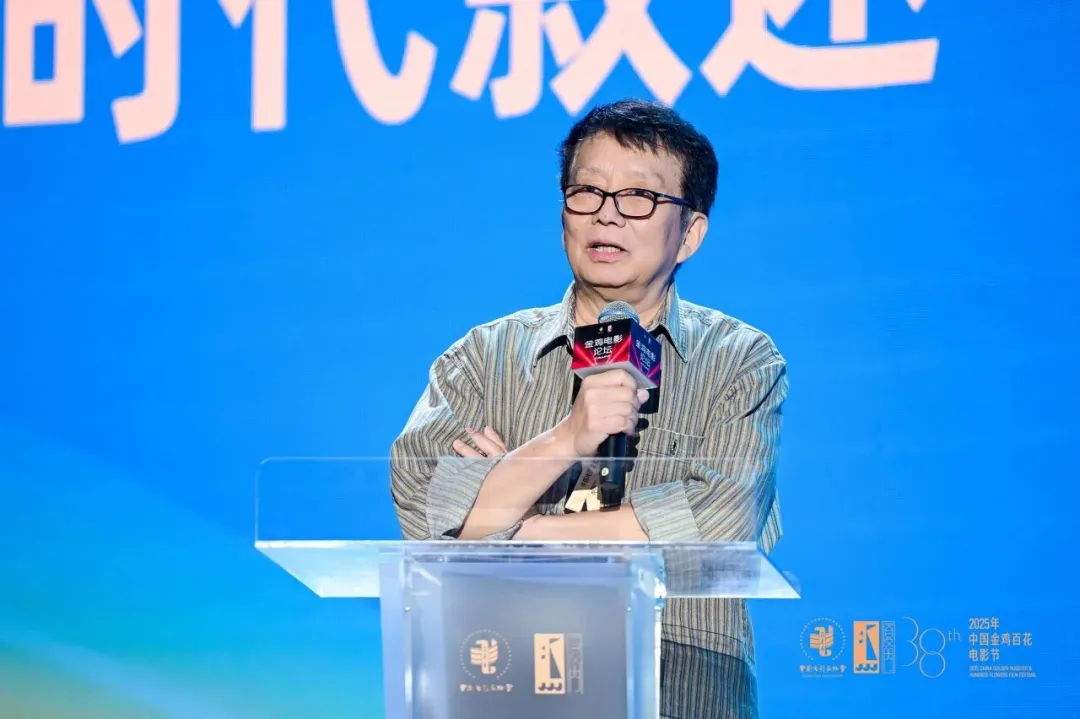
Huang Jianxin | Film director, screenwriter and producer; Dean of the School of Film, Xiamen University
Filmmaking must be grounded in realism while daring to innovate in form. Images should not only record the times but also go deep into social structures and individual destinies, capturing people’s state of mind amid the tides of the times. Creators should seek new breakthroughs in expression within the context of reality, combining concern for reality with more diverse narrative techniques and breaking through the limits of subject matter and form, so that films can respond to the concerns of the times truthfully and powerfully. Filmmaking is not static. It must keep sensing social change and explore new possibilities of expression amid constantly evolving social consciousness, aesthetic trends and audience needs. Realism, therefore, does not mean clinging to tradition; it takes reality as its foundation and, through innovative audiovisual language and narrative structure, leaves the times a valuable record in images with depth and emotional force.
The Path of Innovation for Chinese Cinema amid Generational Change in Audiences and Media Fragmentation
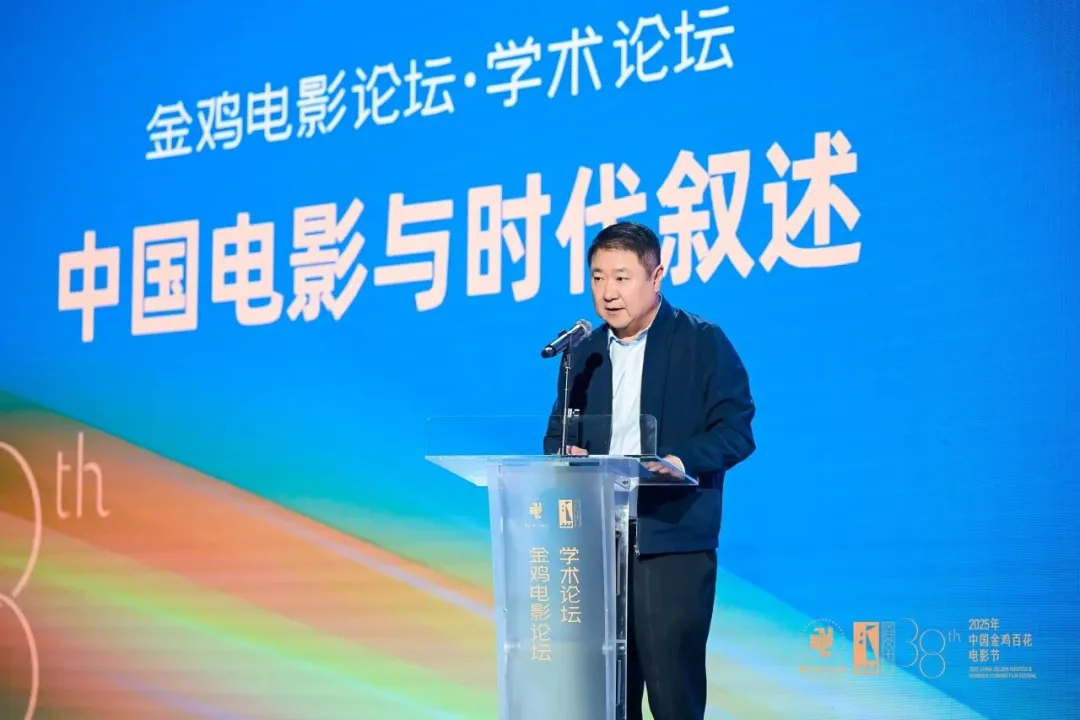
Yu Dong | Vice Chairman of the China Film Association; Chairman of Bona Film Group
The rise of short videos, multi-screen competition and Generation Z becoming the mainstream audience have brought profound structural change to China’s film industry. In this new landscape, films can no longer rely on past narrative formulas and visual styles, but must innovate from the source of creation. Chinese cinema must redefine its ways of storytelling and make bolder breakthroughs in story structure and audiovisual presentation to suit the aesthetic rhythms, media habits and emotional needs of new audiences. At the same time, cinemas must establish an irreplaceable experiential value, building a core competitiveness distinct from fragmented media by enhancing visual aesthetics, large-scale audiovisual expression and emotional immersion. Innovation is not only a matter of external pressure on the industry but also a necessary path for the high-quality development of the film industry itself. It requires creators, the production system and cinemas to evolve together and open up a longer-term future for Chinese cinema in the new era.
The Heritage and Development of Chinese Cinema
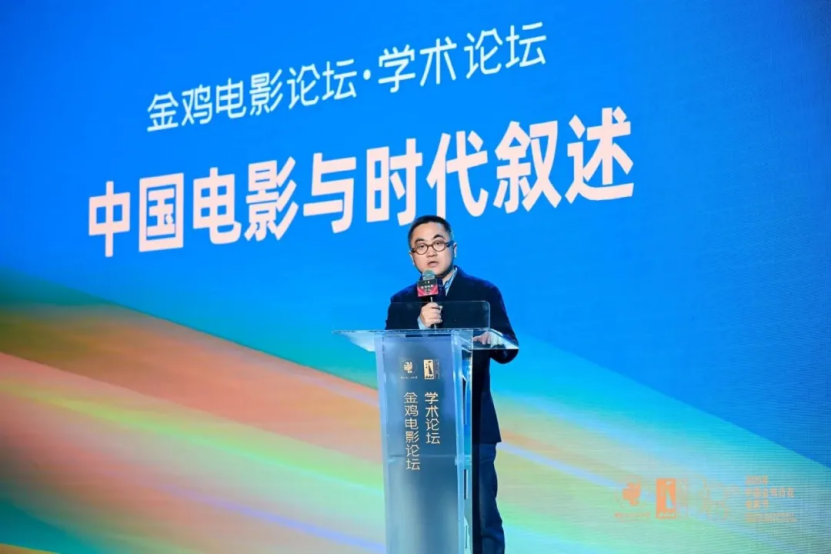
Zhang Ji | Vice Chairman of the China Film Association; screenwriter and director
Chinese cinema is in a new era in which challenges and opportunities coexist. Amid technological innovation and social change, traditional culture remains full of vitality; the key is how it can shine anew in a new cultural context, technological system and audience structure. Filmmaking should keep drawing on the emotional power, human values and narrative potential of traditional culture, and use innovative approaches to connect classic stories with contemporary audiences. However technology changes, audiences’ desire for good stories and sincere emotion remains constant, and this is the core foundation of the art of film. Filmmakers should develop through inheritance and innovate through development, keeping their cultural roots while responding to the spirit of the times. In the market landscape and technological environment of the new era, Chinese cinema needs to truly grasp “emotional truth” and “depth of humanity” and find vital forms of expression between tradition and modernity.
Entering the “New Period”: Chinese Cinema’s Imagination of Modernity and Its “Transitivity”
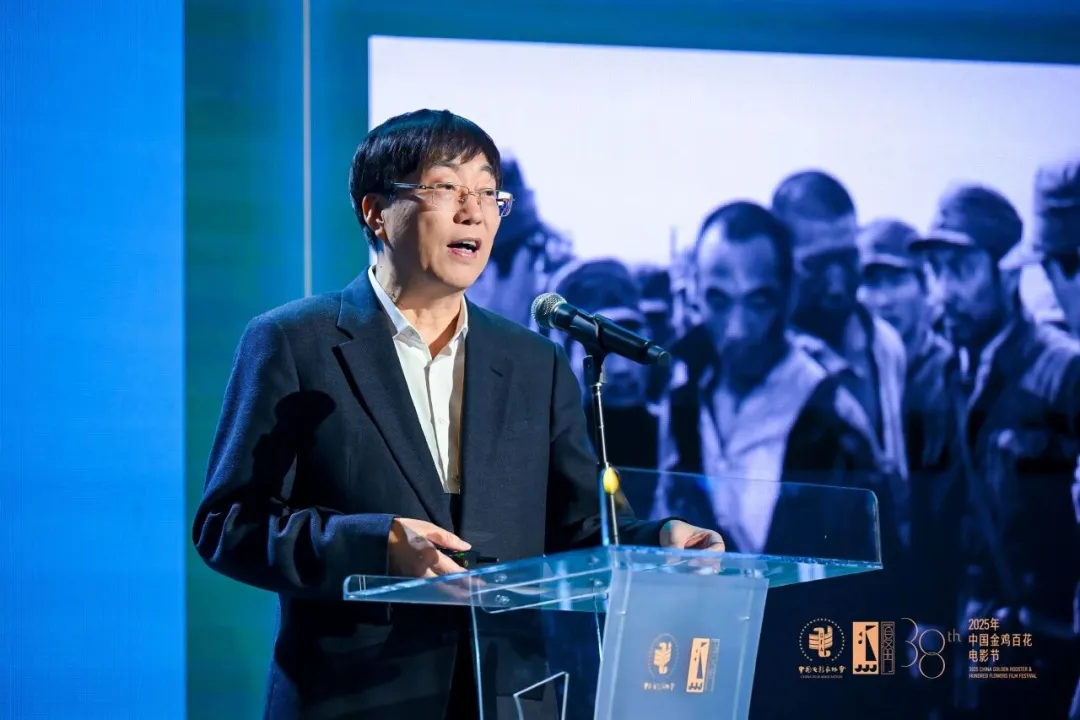
Ding Yaping | President of the China Association of Higher Education Film and Television Studies; Grade 2 Research Fellow at the Chinese National Academy of Arts
The arrival of the “New Period” not only marked the start of a new stage in time but also signified a new leap for Chinese cinema in its imagination of modernity, narrative rhetoric and cultural expression. With the opening of the market, rapid technological development and the renewal of artistic ideas, the ties between the economy, politics and film art grew ever closer. This convergence produced a wealth of new film practices and created new possibilities for dialogue between Chinese cinema and the world. Films of the “New Period” carried the mission of reshaping the expression of modernity, and had to expand the narrative depth and expressive range of Chinese cinema through a more open international perspective, a more mature industrial system and a sharper cultural awareness. At the same time, against the background of technological innovation, human-machine integration and market globalization, Chinese cinema has gained more opportunities for cross-cultural exchange, driving film art and the film industry toward a more international, more open and more innovative stage of development.
How the Cinema of New China’s First Seventeen Years Portrayed “People”
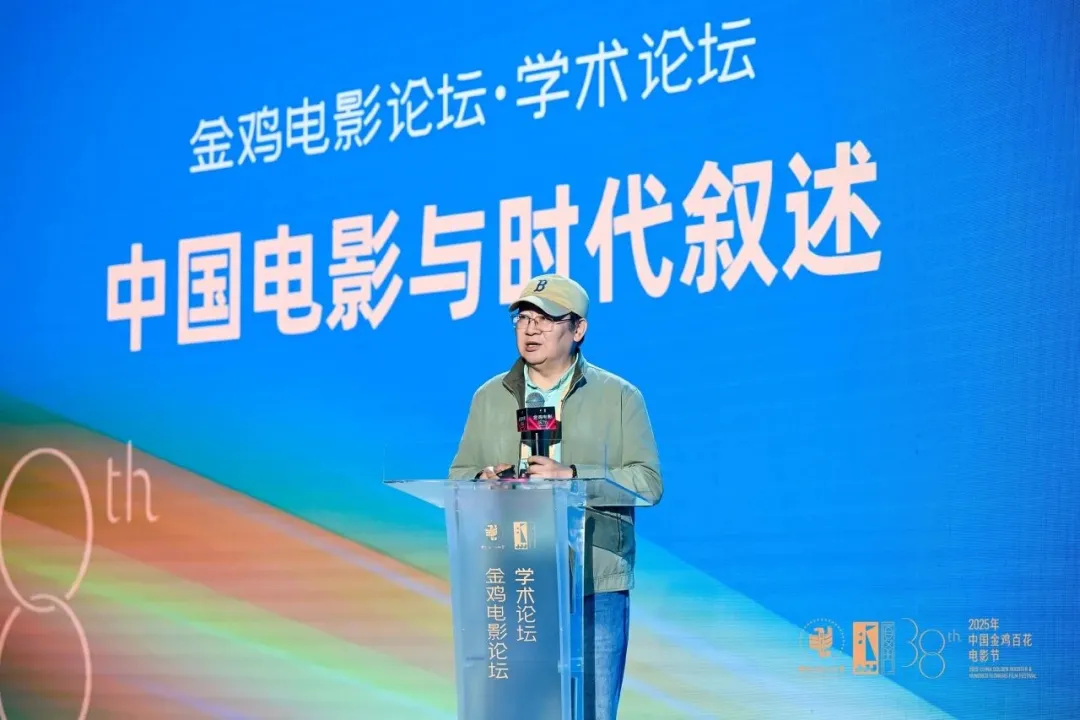
Zhou Xing | Professor at the School of Arts and Communication, Beijing Normal University; Director of the Teaching Steering Committee for Drama, Film and Television Programs, Ministry of Education
The core artistic achievement of “Seventeen Years” cinema (1949-1966) lies in its in-depth portrayal of “people”. Films of this period were closely tied to their historical context, portraying typical characters of different occupations, classes and personalities to show the spiritual growth of individuals in answer to the call of the times. These characters became classics not only because of their symbolic significance, but because creators, through subtle psychological portrayal, concrete life situations and layered narrative structures, presented the authenticity and individuality of the characters to the fullest extent. The characterization of “Seventeen Years” cinema was not simple propaganda for its time but a film practice that went deep into real life and explored characters’ inner worlds. Through these characters, cinema built a value system concerning ideals, struggle, emotion and social relationships, and laid an important tradition for the portrayal of people in Chinese cinema, with a lasting influence on later Chinese cinema’s views of character and narrative.
Chinese Cinema Keeping Pace with the Times and Its Enduring Vitality
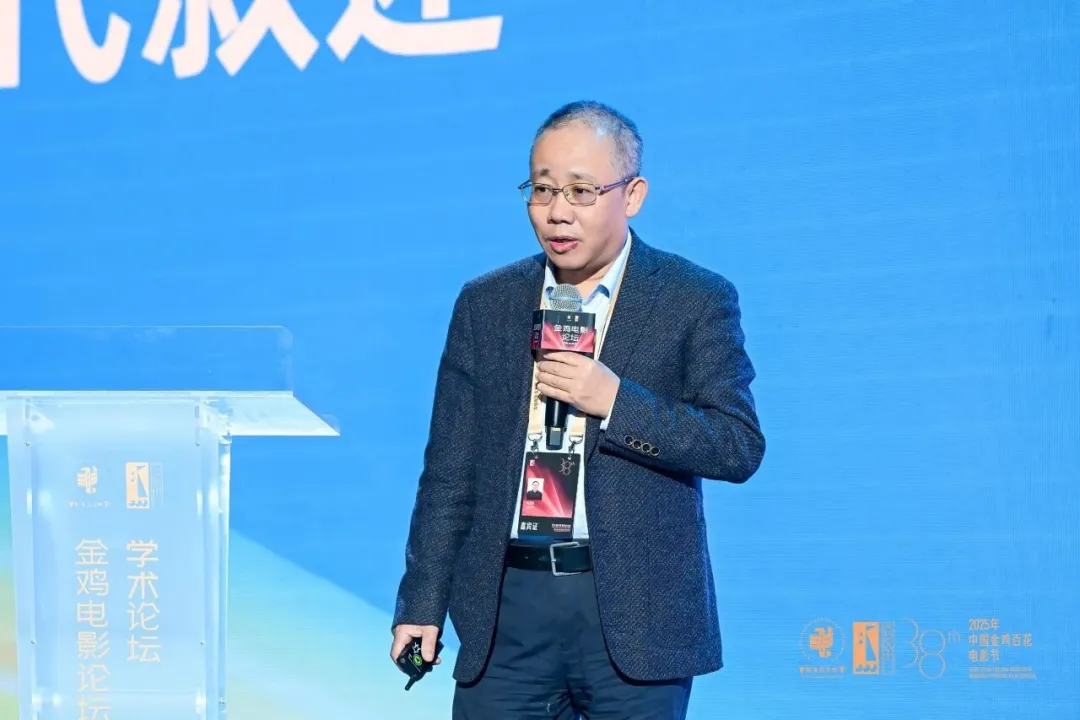
Li Daoxin | Joint Professor at the School of Arts and the Institute for Artificial Intelligence, Peking University; Distinguished Professor of the Ministry of Education’s Changjiang Scholars Program
Since its birth in 1905, Chinese cinema has moved forward through multiple historical tasks: enlightenment and national salvation, nation-building, and opening-up and innovation. At different historical stages it has continually adapted to its circumstances: in its early years it took on the role of enlightenment; after the founding of the People’s Republic it undertook the task of national narrative; and since reform and opening-up it has expanded rapidly against the background of marketization, globalization and cultural diversity. The vitality of Chinese cinema comes from maintaining two-way interaction between globalization and localization, and between the transnational and the national. By absorbing outside experience and strengthening its sense of cultural subjectivity, it has formed a path of expression with Chinese characteristics. Today’s Chinese cinema must continue to consolidate its national cultural identity while strengthening its capacity for cross-cultural communication, achieving breakthroughs in art, industry and culture under a “two-wheel drive” model so that it maintains sustained creativity and presence in world cinema.
The Narrative of the Times and Industrial Aesthetics of Chinese Blockbusters in the New Century
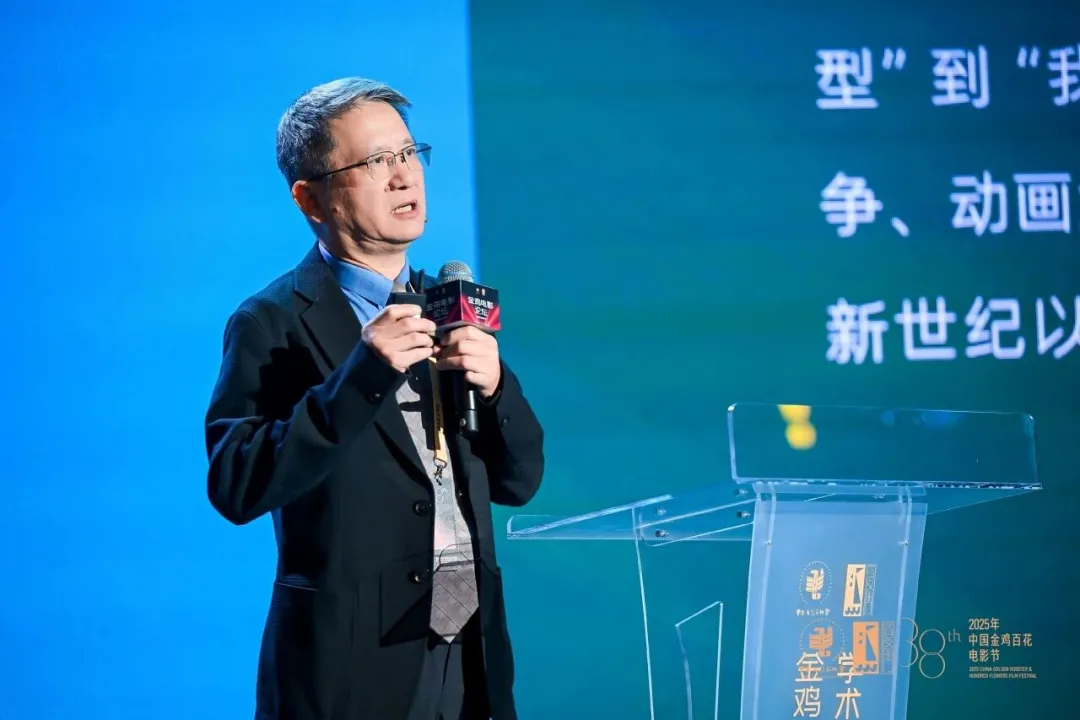
Chen Xuguang | Professor at the School of Arts, Peking University; Distinguished Professor of the Ministry of Education’s Changjiang Scholars Program
The rise of the blockbuster marks an important leap in the industrialization of Chinese cinema and reflects on screen China’s dream of becoming a leading film power. Since the turn of the century, Chinese blockbusters have kept pushing the limits of industrial scale, technical standards and visual aesthetics, opening up wider markets and international horizons for Chinese cinema. With a single film’s box office exceeding 10 billion yuan and the rapid spread of AI technology, small and medium-budget films are also moving toward “intelligent” production, and the film industry system faces a new round of structural upgrading. Tracing the development of blockbusters helps explain how Chinese cinema has built a style of its time in narrative themes, historical expression and audiovisual scale, and can also help the industry find directions for its future industrial aesthetics. Chinese cinema stands at a critical juncture of technological revolution and industrial change, and must drive the art of the blockbuster forward with more open thinking and a more mature industrial system, so as to secure a stronger position in global film industry competition.
Commitment to the People: The Stance and Mission of Chinese Cinema
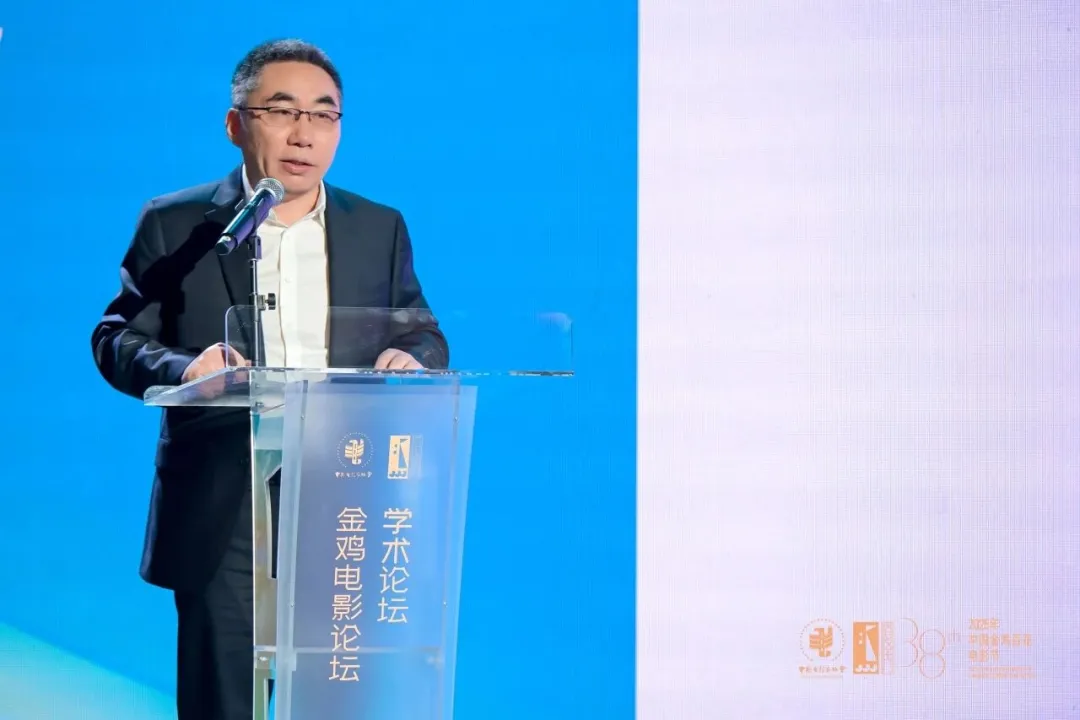
Wang Haizhou | Dean of the Chinese School of Film Research Institute, Beijing Film Academy; Distinguished Professor of the Ministry of Education’s Changjiang Scholars Program
After the founding of the People’s Republic of China, the stance and path of Chinese cinema gradually became clear, and “commitment to the people” became the fundamental stance and mission of film art. Workers, peasants, soldiers and other ordinary people became the subjects of screen narratives, and cinema truly turned toward and served the people. Characterization in Chinese films of the new era shows greater diversity and depth: films no longer stop at surface genres and identities, but present more deeply the real circumstances and spiritual state of the people in social development. The people-centered creative principle is not outdated; it has gained new value in a more complex reality. However film develops, its core remains the depiction of the people’s life experience, emotional strength and values. This commitment keeps Chinese cinema distinctive in global cultural competition and has built a people’s narrative system with Chinese characteristics.
How Will Cinema, at 130, Face the Age of Intelligent Media?
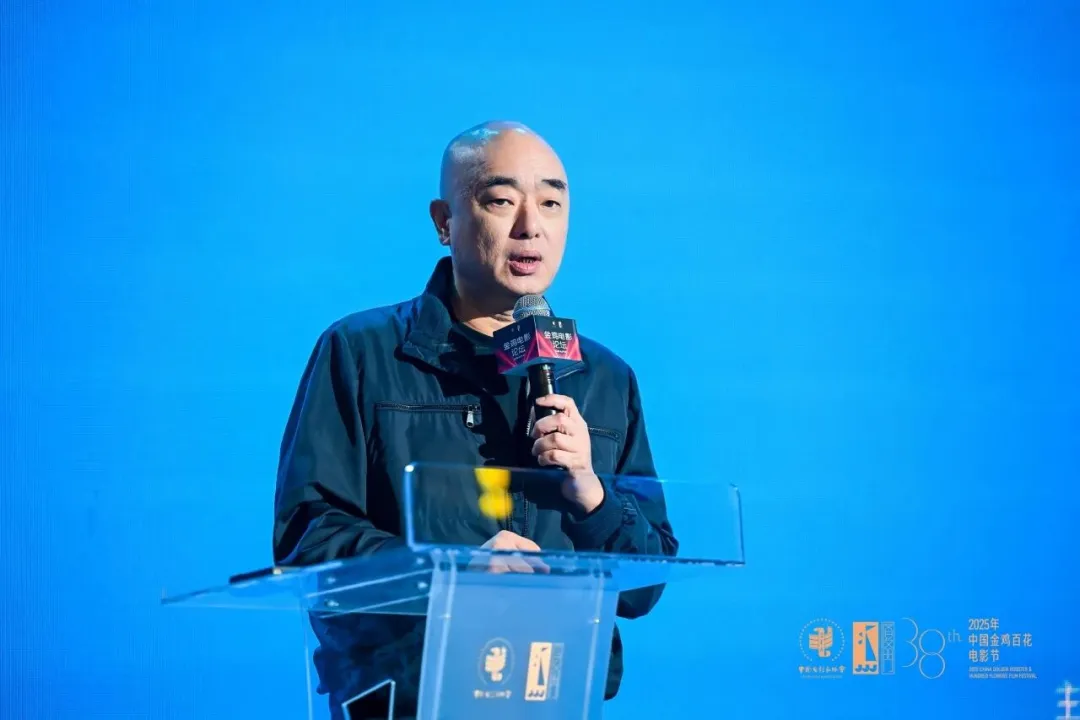
Zheng Dasheng | Film director; Chairman of the Shanghai Film Association
Generative AI is reshaping every aspect of filmmaking. From text-to-video to interactive storytelling, film language, production processes and the relationship with audiences are all undergoing profound change. AI is not merely a tool but a force that restructures narrative logic, aesthetic structure and production mechanisms, pushing cinema into a new creative paradigm. Amid this global upheaval, Chinese filmmakers must respond actively to technological innovation and look beyond traditional experience for new narrative structures and forms of visual expression. Facing the wave of technology, Chinese cinema should seek theoretical and creative inspiration in Eastern wisdom and, starting from its cultural roots, develop a homegrown creative approach for the “age of intelligent media”. Technology is not the end point of film; the key is to make technology serve humanistic expression, so that film keeps its artistic depth and emotional force in the new media system.
A Glimpse into the Creative Strategies of Contemporary Chinese Genre Films
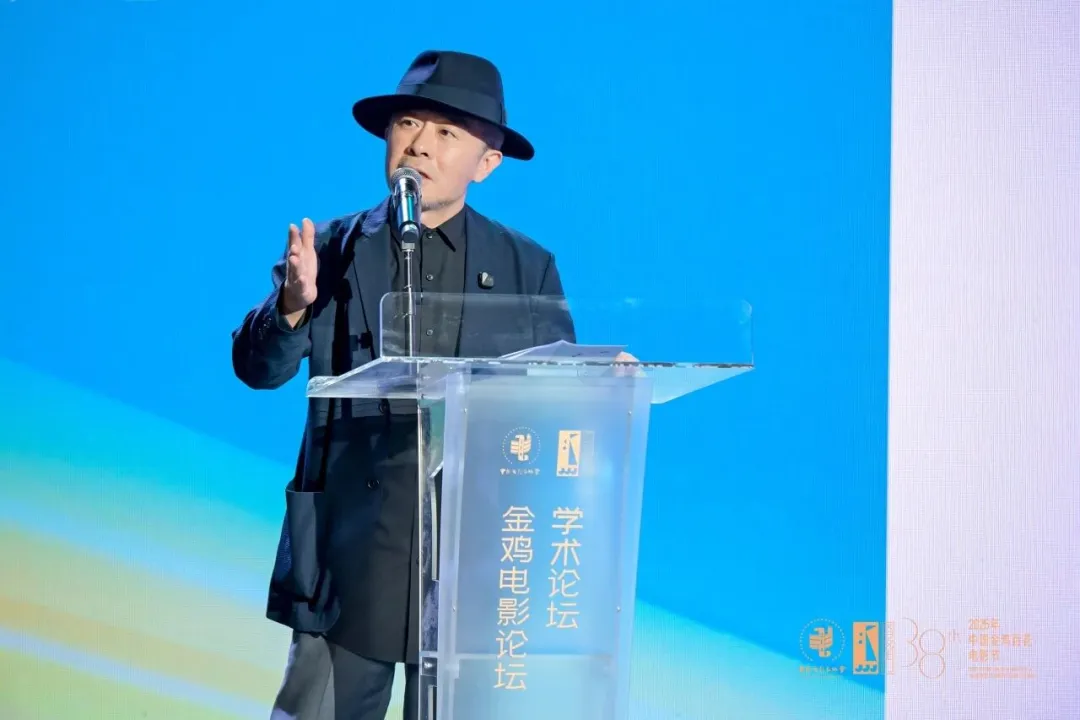
Chen Yu | Film screenwriter and director; Professor at the School of Arts, Peking University
Genre films must not only follow character motivation, plot progression and emotional logic within traditional narrative structures, but also adapt to the Chinese cultural context so that they become truly local. Creators should add social situations, cultural symbols and values familiar to Chinese audiences to genre elements, and through genre hybridity and dimensional upgrading, give films cultural depth while keeping them entertaining. Innovation in genre films does not mean overturning tradition, but finding points of breakthrough within the classic framework, so that films both suit contemporary aesthetic rhythms and appeal to the market. Only through the combined integration of localization, contemporaneity and innovation can genre films truly establish a Chinese narrative style.
This Golden Rooster Academic Forum was hosted by the China Film Association and the Xiamen Municipal People’s Government, and organized by the Xiamen Municipal Film Bureau, the China Federation of Literary and Art Circles Film Art Center and Film Art magazine. The Golden Rooster Academic Forum provides a platform for the exchange of ideas between the film industry and academia, and a source of inspiration for promoting the flourishing of Chinese film art and industry.