Golden Rooster Observation | Ten Reflections of Screenwriters, Directors and Actors: New Scenes, New Audiences, New Expression
Film is the art of sculpting in time. Over 120 years, cinema has entered our lives in different forms. In the truth of 24 frames per second, cinema has extended the boundaries of the “real” and reshaped our “world”. This is the power that has kept film alive for more than a century. What matters is not the era in which the story is set, but the era in which the story is told. Our screenwriters, directors and actors are the storytellers of this era.
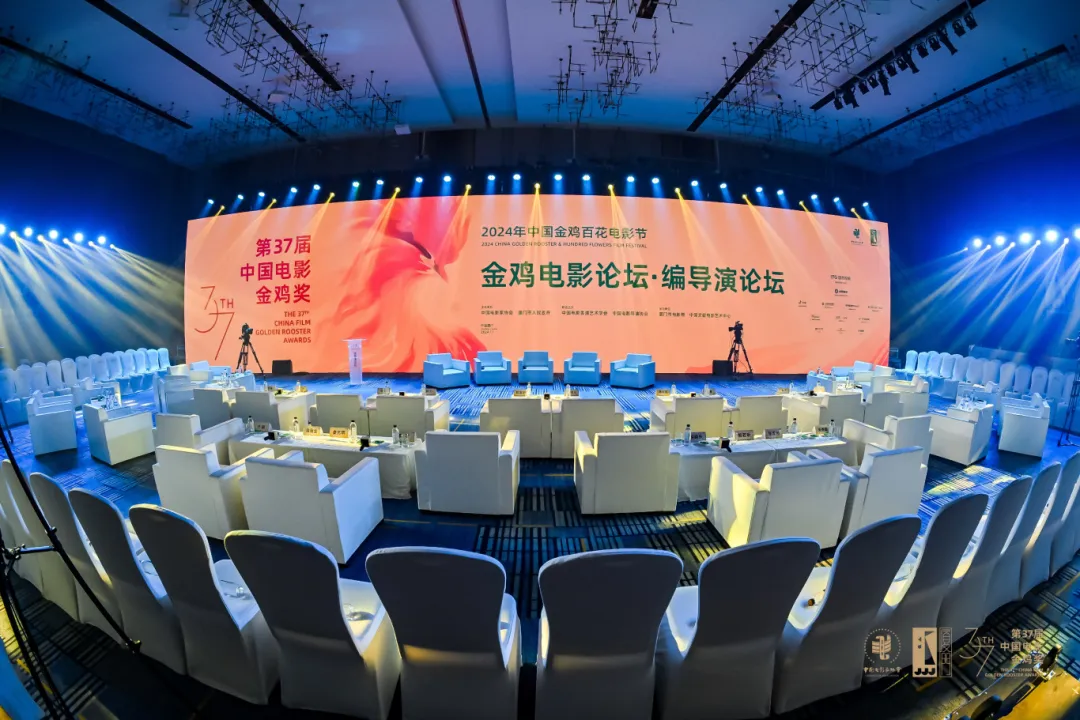
On the morning of November 15, the Screenwriters, Directors and Actors Forum of the Golden Rooster Film Forum, part of the 2025 China Golden Rooster & Hundred Flowers Film Festival, was held in the Zijin Hall of the Tianyuan Hotel in Xiamen. Under the theme “New Wave: New Scenes, New Audiences, New Expression”, the forum brought together the three core creative forces of screenwriters, directors and actors for a pragmatic, in-depth dialogue on the “Ten Reflections of Screenwriters, Directors and Actors”, jointly exploring creative paths and sources of momentum for Chinese cinema in the new era.
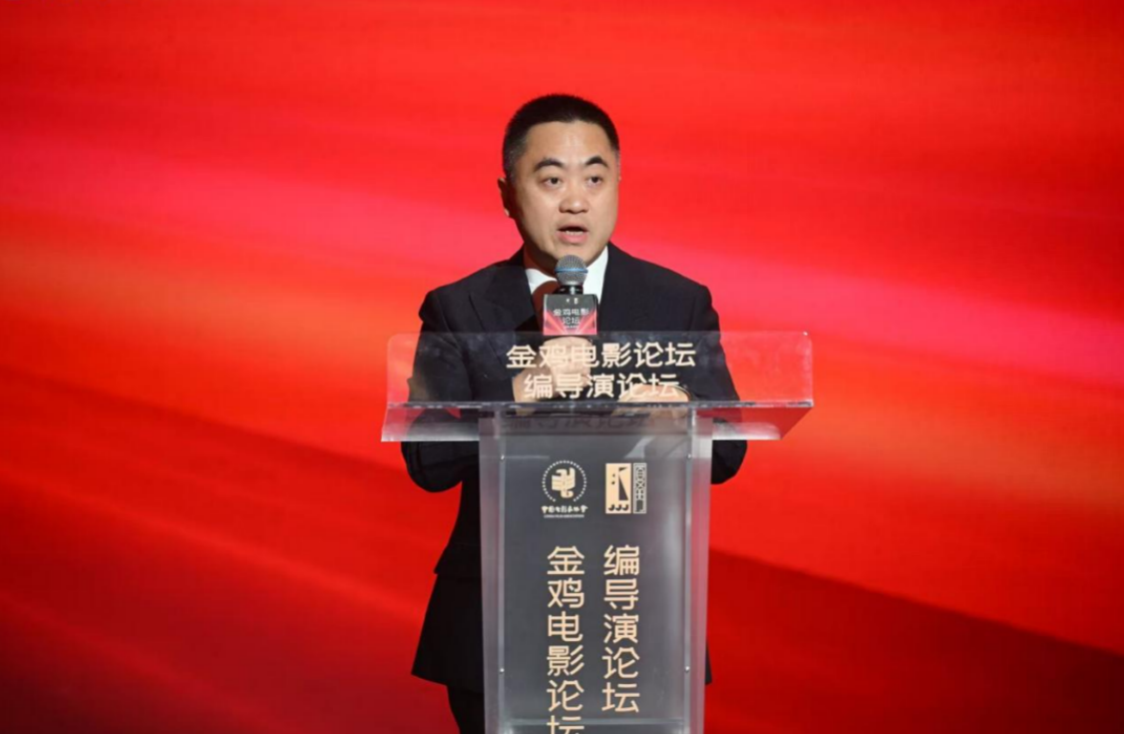
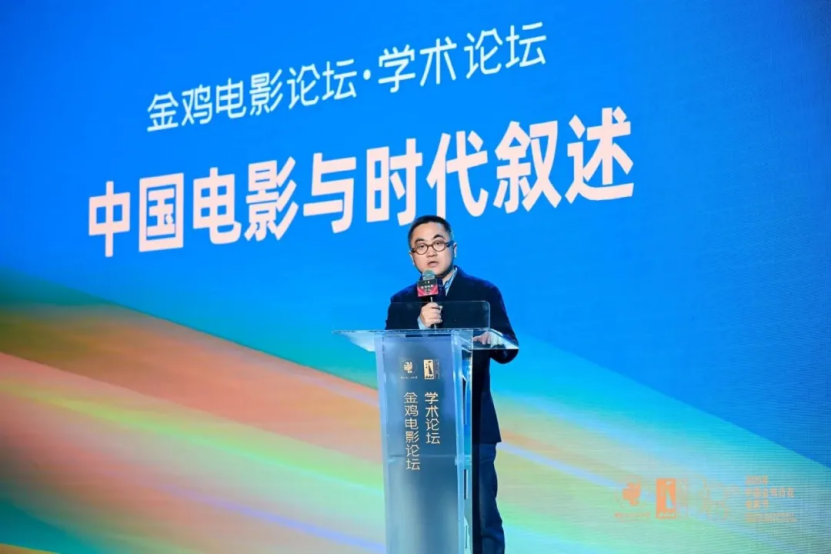
In his speech, Zhang Ji said that the Golden Rooster Screenwriters, Directors and Actors Forum, as an important platform that brings together the core creative forces of cinema, carries a special mission in the opening year of the 15th Five-Year Plan. He pointed out that over the 120-year history of Chinese cinema, screenwriters, directors and actors, as the “creative iron triangle”, have together built the edifice of Chinese cinema’s achievements. In the face of the changes of the new era, Chinese cinema must hold to cultural confidence and a people-centered creative orientation, stay rooted in reality while carrying forward tradition through innovation, keep pace with technological change and maintain a global outlook, and strengthen talent development across the whole chain, injecting new momentum into building a leading film power.
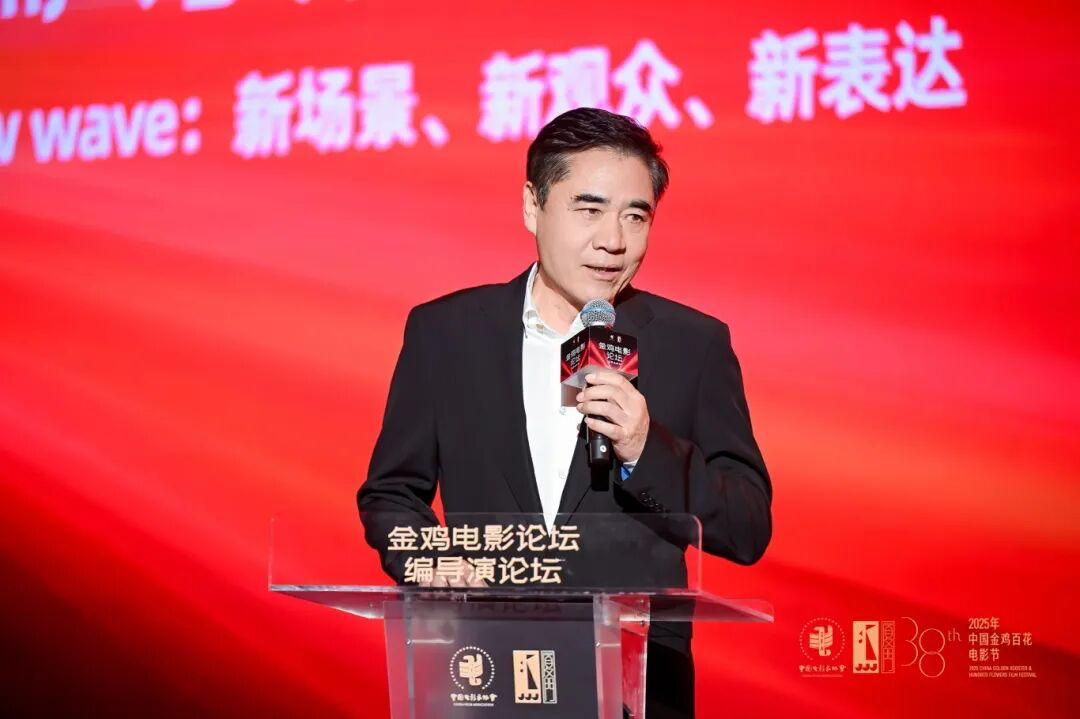
Chen Baoguo, President of the China Film Performance Art Academy
In his speech, Chen Baoguo said that as Chinese cinema marks its 120th anniversary, film actors have drawn deeply on life and portrayed characters with sincere emotion and vivid expression, reflecting the voices of the people. In doing so they are both advancing the high-quality development of Chinese film and contributing to building a leading country in culture.
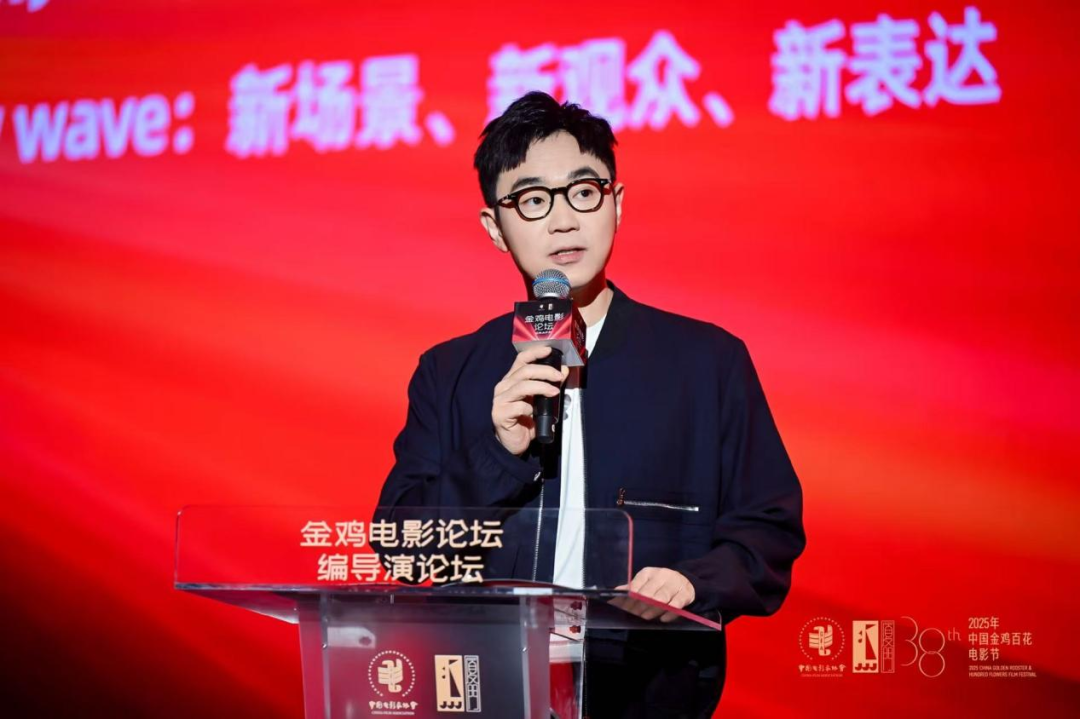
Da Peng, Member of the Executive Committee of the China Film Directors’ Guild
In his speech, Da Peng said that film is a poem of its era projected on the screen, and that screenwriters, actors and directors, as a creative community, are jointly driving the development of Chinese cinema. In the face of the wave of new technology and generational change among audiences, creators need to stay rooted in life and understand how the times are changing, keeping their original aspirations while paying attention to audience feedback, so that individual expression finds its echo in the chorus of the times.
Since its launch in 2024, the Golden Rooster Screenwriters, Directors and Actors Forum has quickly drawn wide attention for its innovative format and candid expression, resonating both within and beyond the industry. This year, guided by the spirit of General Secretary Xi Jinping’s important reply letter to Tian Hua and seven other film artists, the forum continued the “Ten Reflections” format, addressing the problems and challenges facing the film industry and creating a space for deeper and freer thinking. The discussion centered on the core goal of “creating more fine works that celebrate the spirit of the times and express the voices of the people”. Focusing on how to respond to the needs of new scenes and new audiences, it explored innovative expression in filmmaking in the new era, and prompted creators to consider how, against this new background, to use film to create more works of art that move people, convey strength and suit the times.
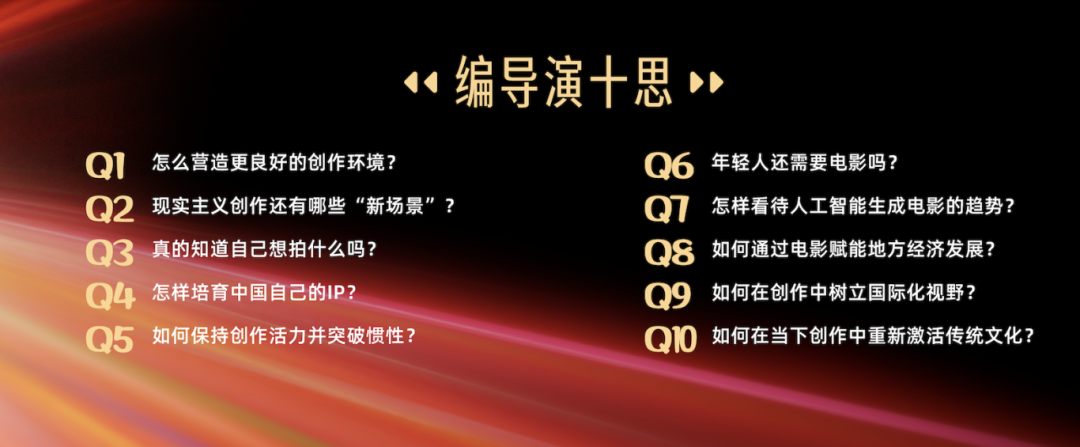
The main session of the forum, “Ten Reflections of Filmmakers”, set out ten questions that creators currently face, that are of wide concern within the industry and that attract much attention and debate. The guests held an equal, candid and in-depth exchange.
What “new scenes” remain for realist filmmaking?
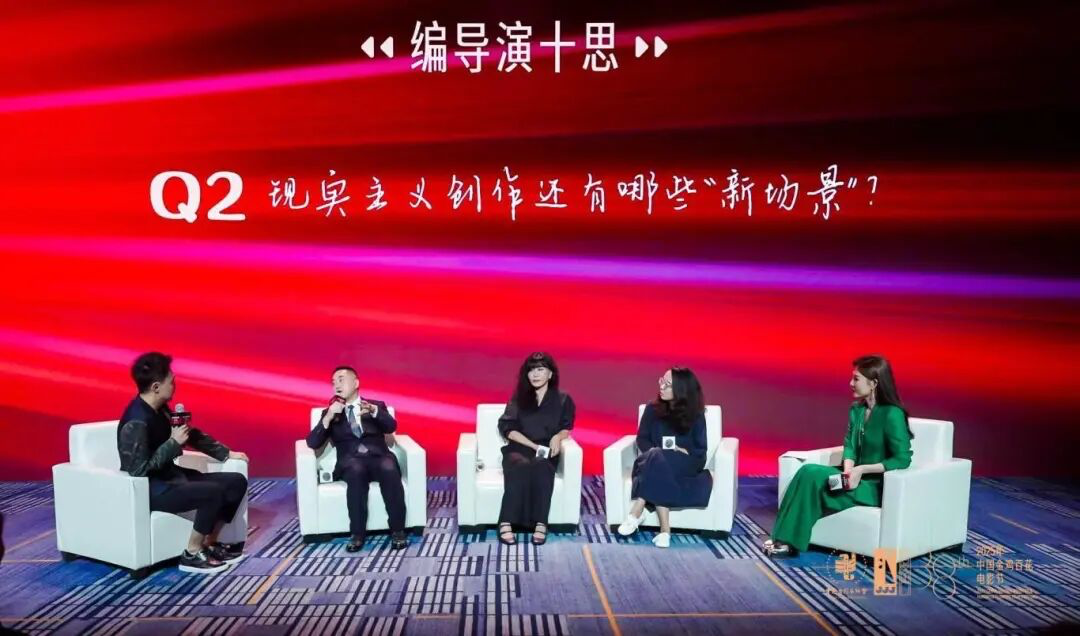
Zhang Ji: “However new the scene, its core is still people. Creation in new settings should not focus only on the outer shell of technological change; it should return to the level of ‘people’. Where have the workers who ‘disappeared’ because of automation gone? Do they also face the anxiety and choices of transition? These are exactly the questions that China’s realist tradition is concerned with, and that film should continue to address. In an unpredictable future, people’s basic emotions and needs will not change, and that is the constant starting point and destination of filmmaking.”
A Mei: “The emotional intensity and sense of community built through digital practices form a ‘new reality’ that traditional screenwriters could not have imagined. This reminds creators that they must turn their attention to life in the cloud, where entirely new stories and emotional patterns are taking shape. Today everyone lives in their own information cocoon. So the key to discovering new scenes lies in whether creators have the will and the ability to ‘break out of their own cocoons’ and look sincerely at the real lives of other groups.”
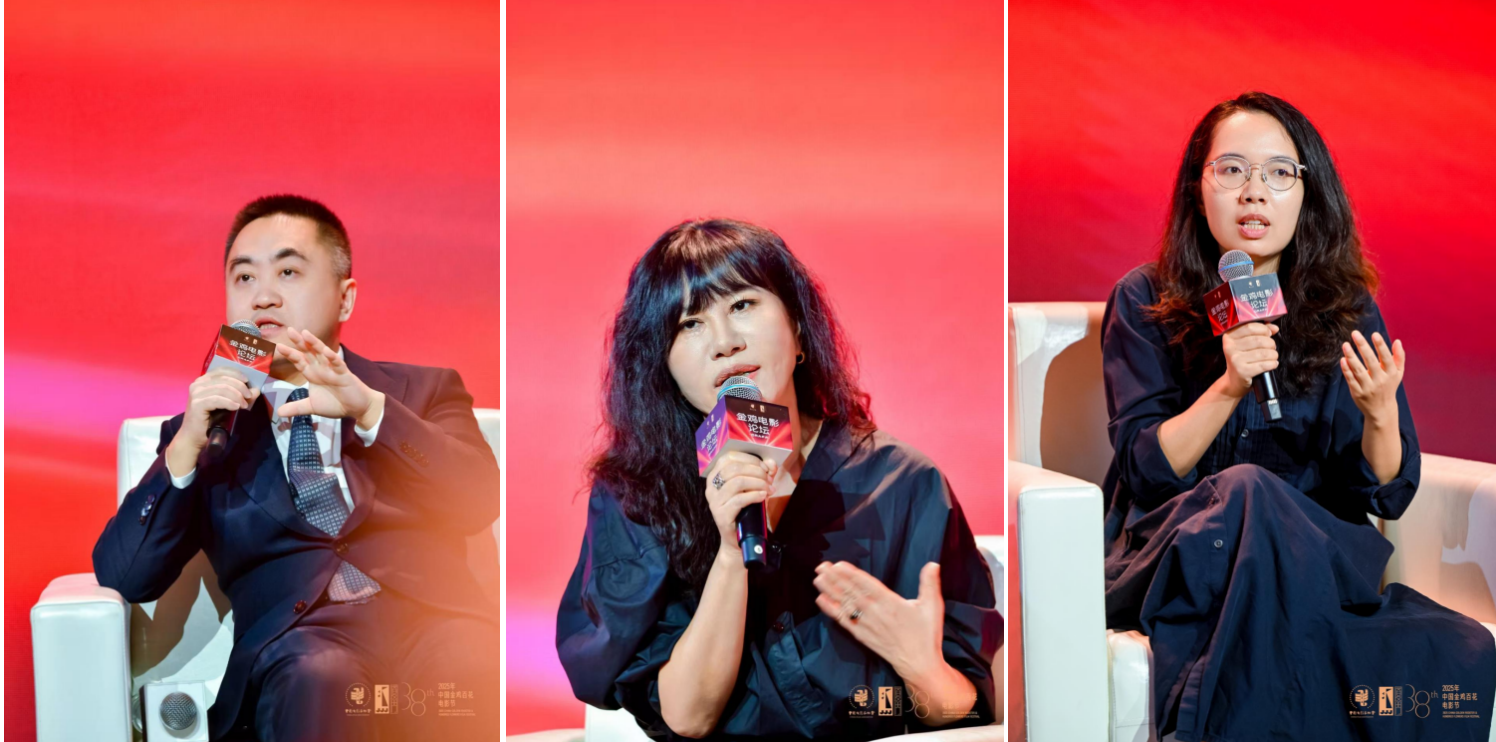
You Xiaoying: “With an aging society and the digitalization of healthcare, a new kind of social and ethical relationship is emerging in hospitals: the professional medical escort. This new occupation has three kinds of creative value: it reflects the difficulties older people face in seeking medical care in the digital age; it shows warm human interaction in relationships outside of kinship; and it offers a fresh perspective for medical-themed works. The medical escort profession is currently going through a process of professionalization. The moral struggles and human tensions in this occupational transition are valuable material for realist creation. I suggest that creators pay attention to this social phenomenon as it unfolds and capture the pulse of the times through keen observation.”
Do you really know what you want to film?
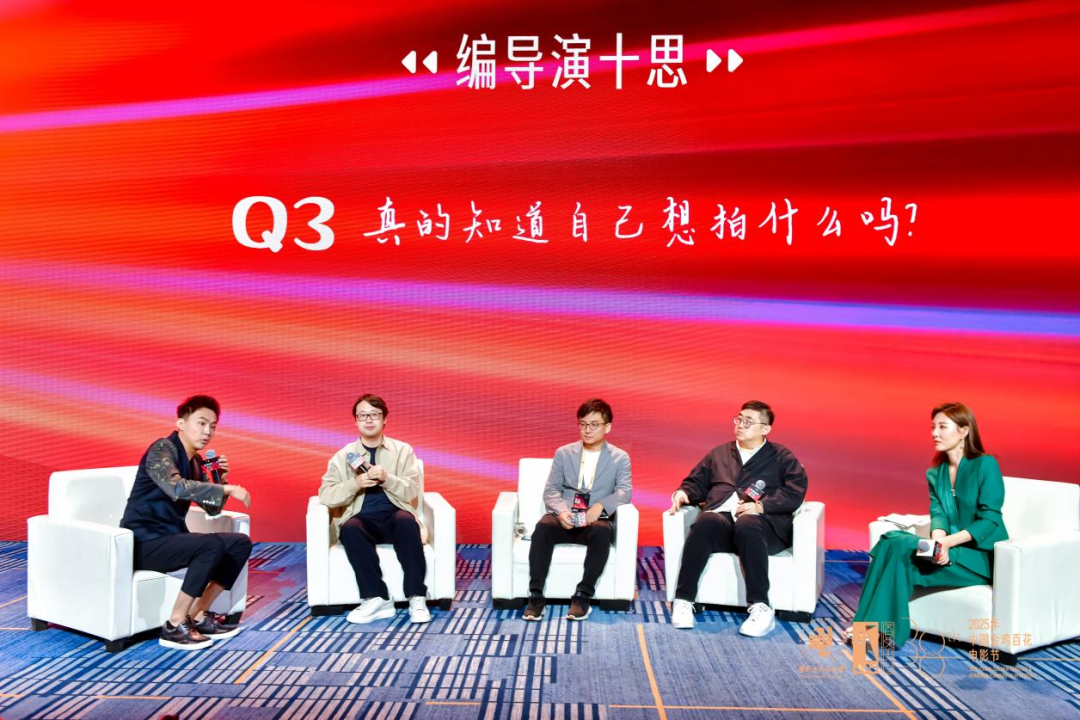
Dong Runnian: “Storytelling ability is a director’s most essential quality. I honed my craft as a screenwriter for a long time and only took my first step as a director when I was ready. In today’s creative environment, technological development has greatly lowered the threshold for shooting, and young creators should be bold in practice: ‘If you want to make a film, find every possible way to make it.’ Creative growth has to happen through practice. Only by shooting again and again, accepting criticism and going through clashes of ideas can you truly recognize your weaknesses and find what you really want to express. Sincere work often comes out of intense discussions that set politeness aside. Young creators should dare to express themselves and be willing to make mistakes, and keep moving closer to the essence of art through creative practice.”
Yu Shui: “Creation should hold on to the emotional core shared by all humanity and find a ‘new packaging’ for it suited to the contemporary context. Although the forms of expression, such as myth or animation, can vary and even create distance, what moves people is always the shared human emotions that transcend time and space, such as inner exhaustion, anxiety and the search for self. As the aesthetic habits of the young generation change, long-form content faces great challenges. The ‘two-hour immersive experience’ offered by the cinema is becoming a scarce, compulsory and complete setting for appreciating art. The future of cinema lies in exploring and amplifying this unique advantage, and in finding its irreplaceable value in competition with fragmented content such as short videos.”
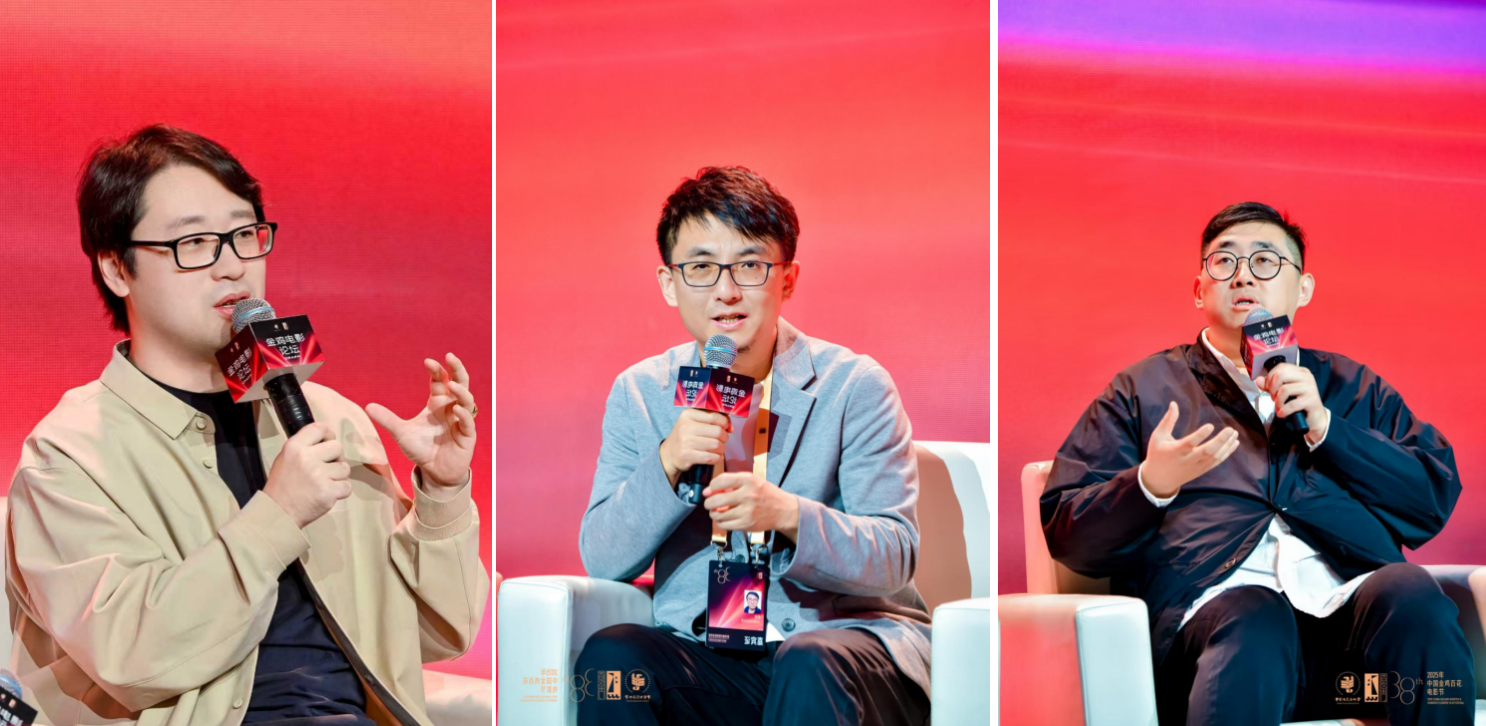
Chan Mou Yin: “When screenwriters and directors work together, it is normal for the two sides to understand the same theme differently, and this difference enriches the creative possibilities. The original creative intention undergoes a natural ‘transformation’ rather than a ‘deviation’ during the actual shoot. Take The Last Dance as an example: although its core theme of ‘searching for the meaning of life’ never changed, during the shoot, with the audience’s reception in mind, we gradually adjusted from the initial, heavier approach of ‘learning to cherish through loss’ to a presentation more likely to resonate. Creation is a dynamic process of exploration. Creators need to stay open-minded and, while holding on to the core theme, allow the means of expression to evolve naturally in practice. Such adjustments, based on real feeling, are a necessary part of creative growth.”
Li Shaohong: “The mobile phone is becoming a personal filmmaking tool with great potential. Because of its portability and high degree of integration, such as high-quality recording and shooting functions, the phone has greatly lowered the technical threshold. This change in the way of creating has given rise to a highly subjective and personal perspective. The aesthetic style of the personal, subjective forms of expression born of the phone can be absorbed and drawn upon to nourish and enrich professional filmmaking.”
How to stay creative and break out of habit
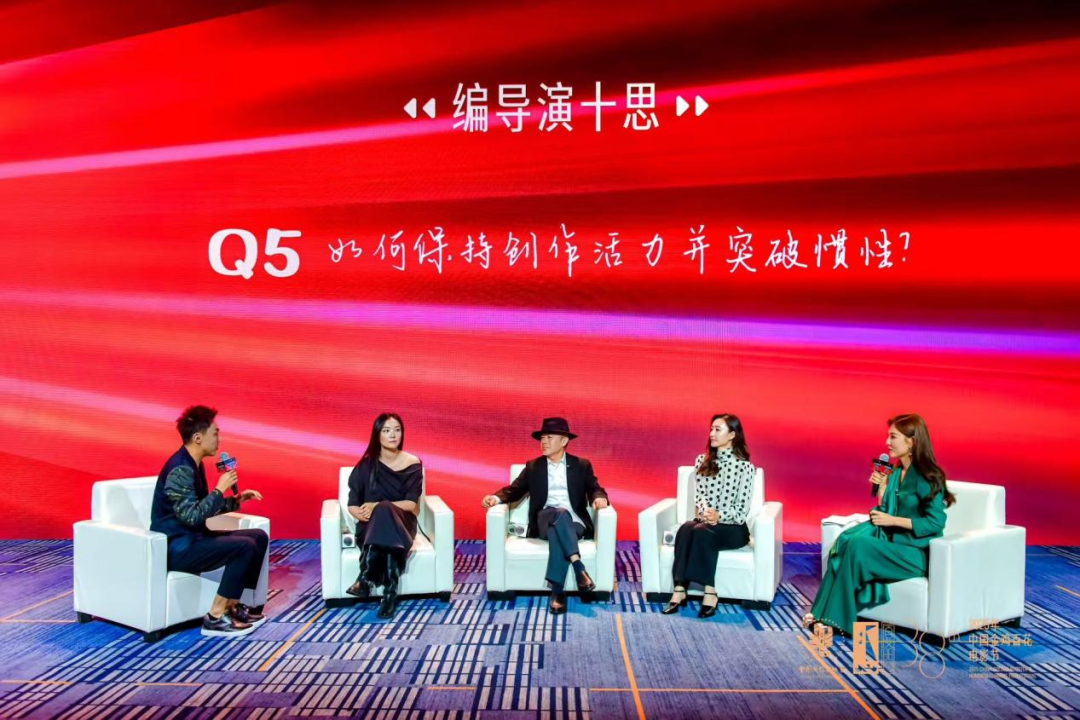
Qi Xi: “With scientific progress and social change, the new era has produced more and more ‘new faces’ with the character of the times. As an actor, you need both to immerse yourself in life to draw nourishment and to keep your creative ideas up to date, so as not to be bound by fixed patterns of performance. The spirit of ‘risk-taking’ in creation is precisely the appeal of acting: by taking on different kinds of roles, you can learn new creative ideas and explore your own possibilities as a performer. Film is an expression of the spirit of the times, and the characters actors create are the living faces of this era. Continuing to innovate and break through is an important way for actors not to be left behind by the times.”
Wang Likun: “Technologies such as digital actors, motion capture and digital doubles are challenging the irreplaceability of the acting profession and have prompted reflection in the industry on the ‘meaning of existence’. Yet opportunities and challenges coexist. Although technology can generate flawless performances, it cannot replicate the warmth of life unique to human actors, including improvisation between actors, the unrepeatable chemistry on set, unique life experience and genuine emotional imprints. Actors need a twofold breakthrough: vertically, to deepen their craft and give characters a soul; horizontally, to expand their skills, learn new technologies and understand related work such as writing and directing, becoming well-rounded creative talents.”
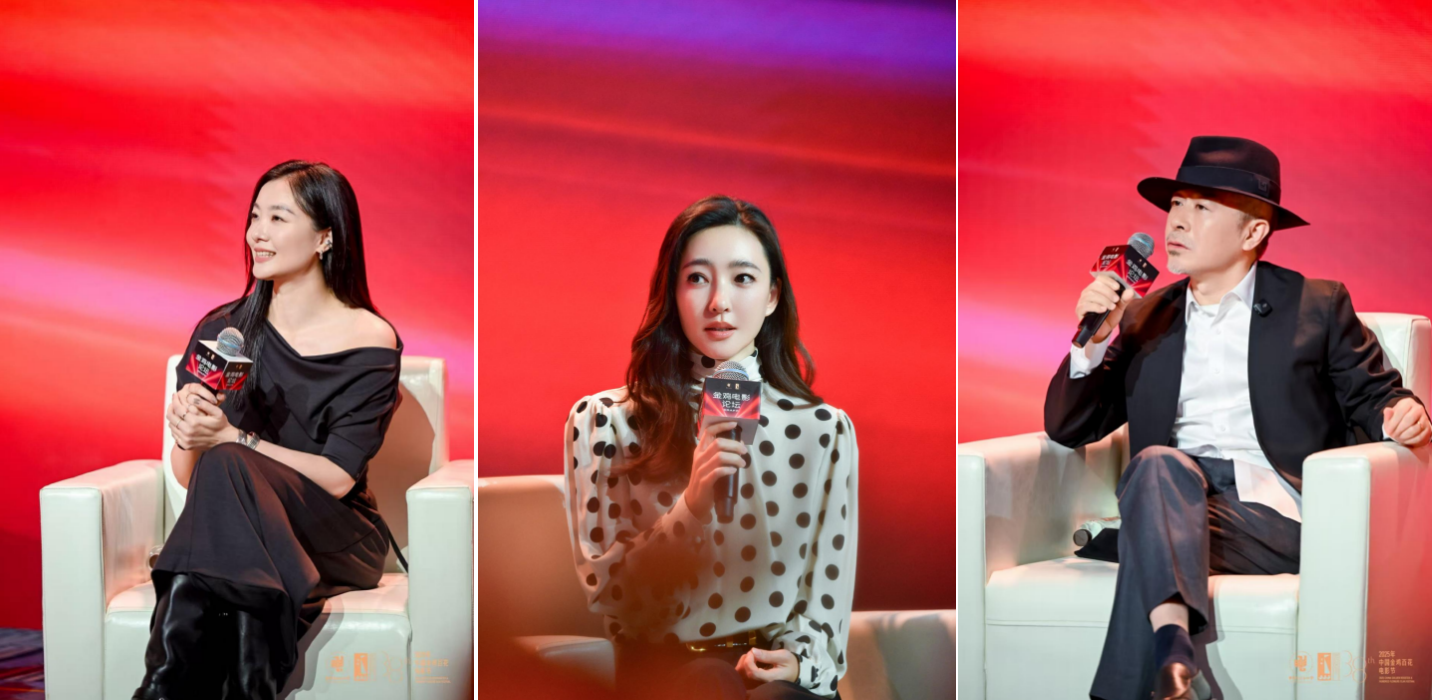
Chen Yu: “Films today are full of ‘perfect conflicts’, while the imperfect realities of life, such as the pressure of school entrance exams on secondary school students, young people’s anxiety about money and difficulties in marriage, are absent from the screen. By contrast, emerging media such as micro-dramas and short videos capture these real pain points more keenly. In an era of growing competition among media, drawing material from real life, presenting ordinary people’s understanding of, hopes for and perceptions of life, and paying attention to imperfect people and lives is an artistic choice, a key for creators to break out of habit, and an inevitable way forward for the development of film.”
How do we view the trend of AI-generated films?
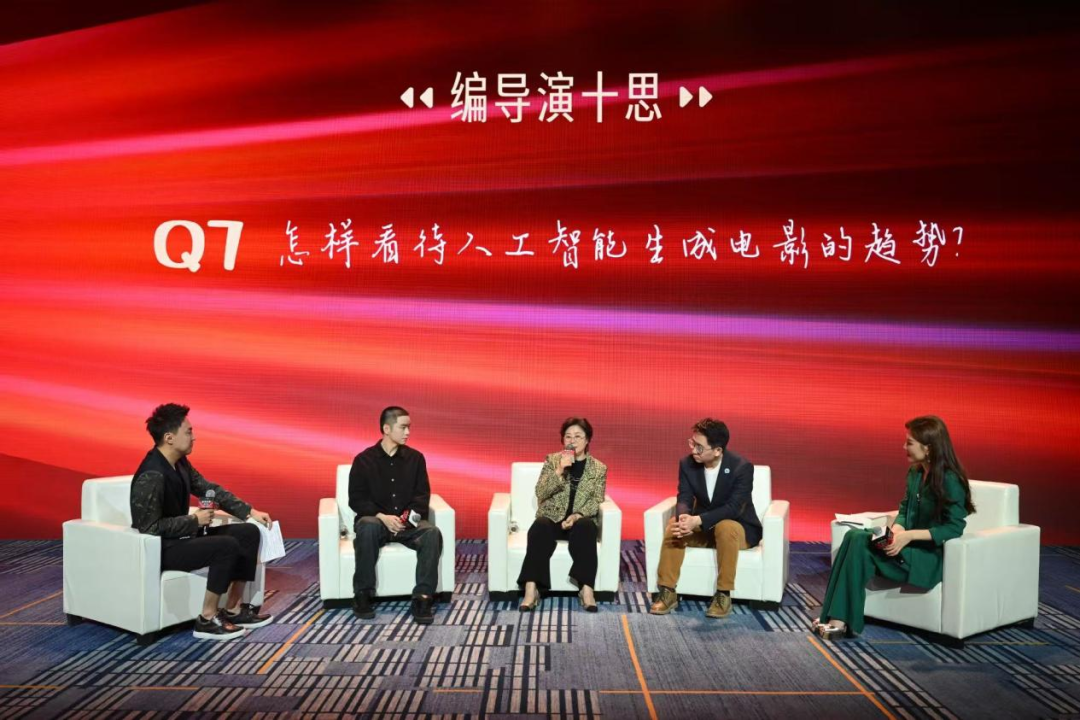
Li Shaohong: “AI creation is based on existing image libraries and experience, and at present it cannot yet understand and match a director’s highly individual and distinctive creative ideas. Technically, AI still cannot handle long takes or moving shots, and its image resolution has not yet reached the standard of the big cinema screen. When AI truly has the capacity to ‘think and create’, it will be a major upgrade for creators. The core task for creators now is to learn how to communicate precisely with AI and guide it to understand and realize their own creative intentions. The related technical bottlenecks may be overcome within five or six years. I hope AI can, like digital effects in the past, turn flights of imagination into visible reality and greatly expand the artistic boundaries of film.”
Zhang Ke: “The change brought by AI goes far beyond improvements to the ‘workflow’ like the move from film to digital; it is a fundamental overturning of creative methodology. This change may come very quickly, perhaps in only three or four years, and will give rise to entirely new forms of work and culture that we cannot name or understand today. The greatest value of AI is that it greatly lowers production costs, freeing young creators from the predicament of ‘having ideas but being unable to afford to shoot them’, so that fanciful ideas that once existed only on paper, such as ‘an elephant in a china shop’, can be realized visually.”
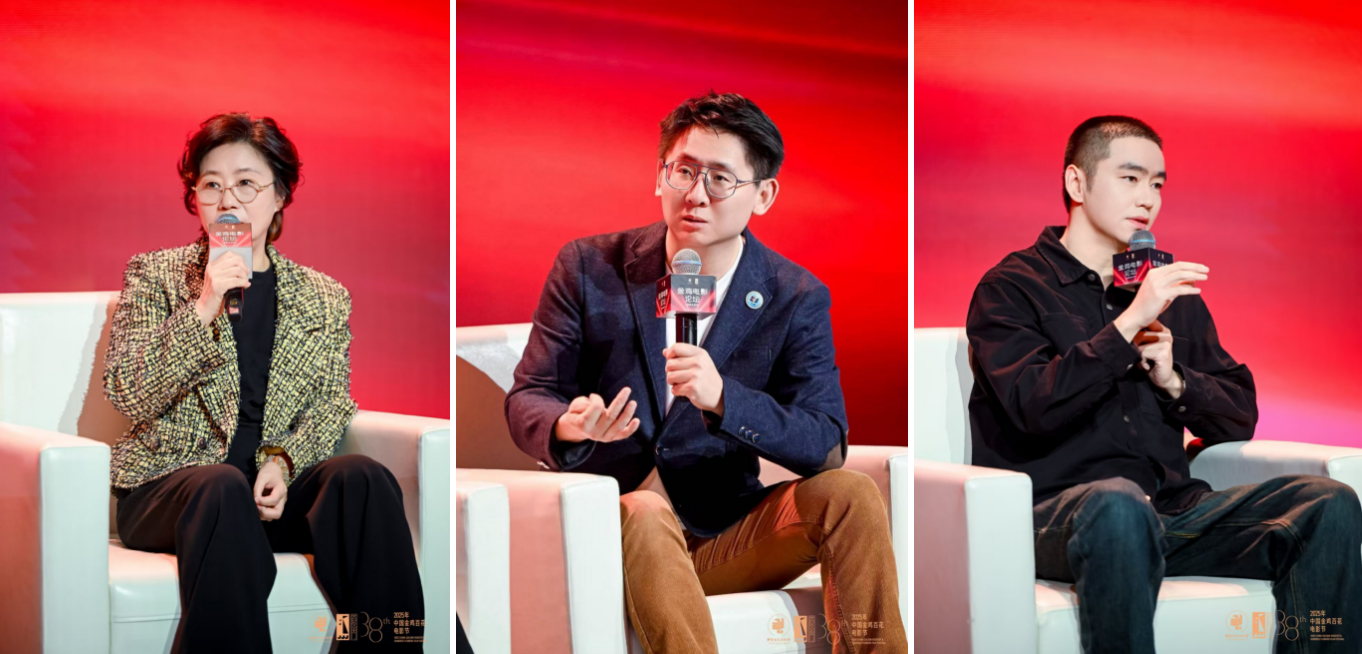
Gan Jianyu: “My attitude toward AI went from initial excitement and curiosity, to fear for my profession in the middle stage because of how it upended efficiency, and finally, after understanding and using it, the fear went away and I came to see it calmly. Technology is a medium and means that keeps evolving, but the core of filmmaking, the expression of ‘people’ and the communication and feedback between people based on resonance, is the irreplaceable subject. We actively embrace technological change while remaining fully confident. People, as the subjects of creation, are hard to replace.”
How can traditional culture be revitalized in today’s creative work?
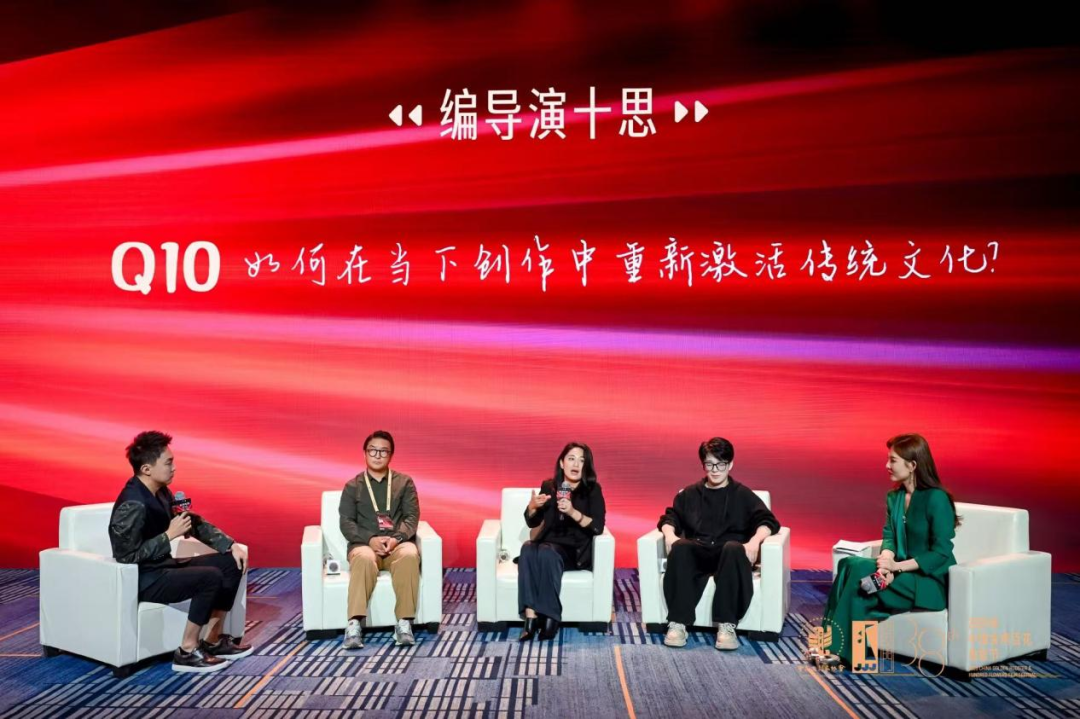
Dargye Tenzin: “Traditional culture was itself an ‘innovation’ in the era in which it emerged. So we do not need to deliberately explain or set traditional culture apart in our work, because it has long been internalized and forms our ways of thinking and acting today. Traditional culture is not a single object. For example, the way I am speaking now comes from a way of thinking formed by all of culture, so there is no need to explain traditional culture deliberately; it is already part of our way of thinking.”
Liu Juan: “The narrative motif of A River Without Tears comes from two key social observations. First, from the cultural detail that ‘the ox-sacrifice master dares not look the ox in the eye’, I drew out the universal human theme of reverence for life and shaped a contemporary father figure. Second, I found a gap in gender narratives within traditional rituals, which gave me the creative motivation to empower women and secure their cultural ‘presence’. The road in the film that links past and present is the legendary route recorded in director Tian Zhuangzhuang’s Tea Horse Road. This is not only a geographic overlap but also a relay of filmmakers across time and space.”
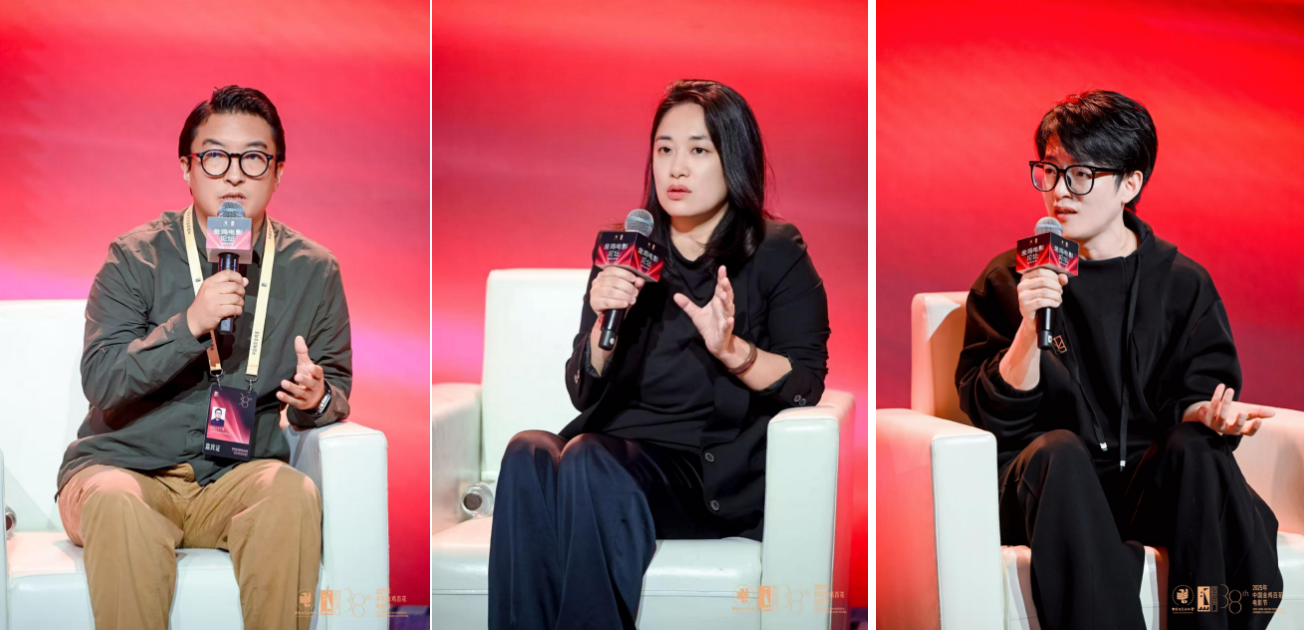
Feiyu: “Traditional culture is not a static ‘relic’ but a living ‘spirit’. Only by building new scenes and using new film language can it engage in meaningful dialogue with today’s audiences. The mission of young directors is to rediscover and interpret tradition from a modern perspective and find in it the enduring vitality that resonates with the present. Whether in realism or science fiction, the core is to let tradition continue its vitality in the new era as a ‘living spirit’.”
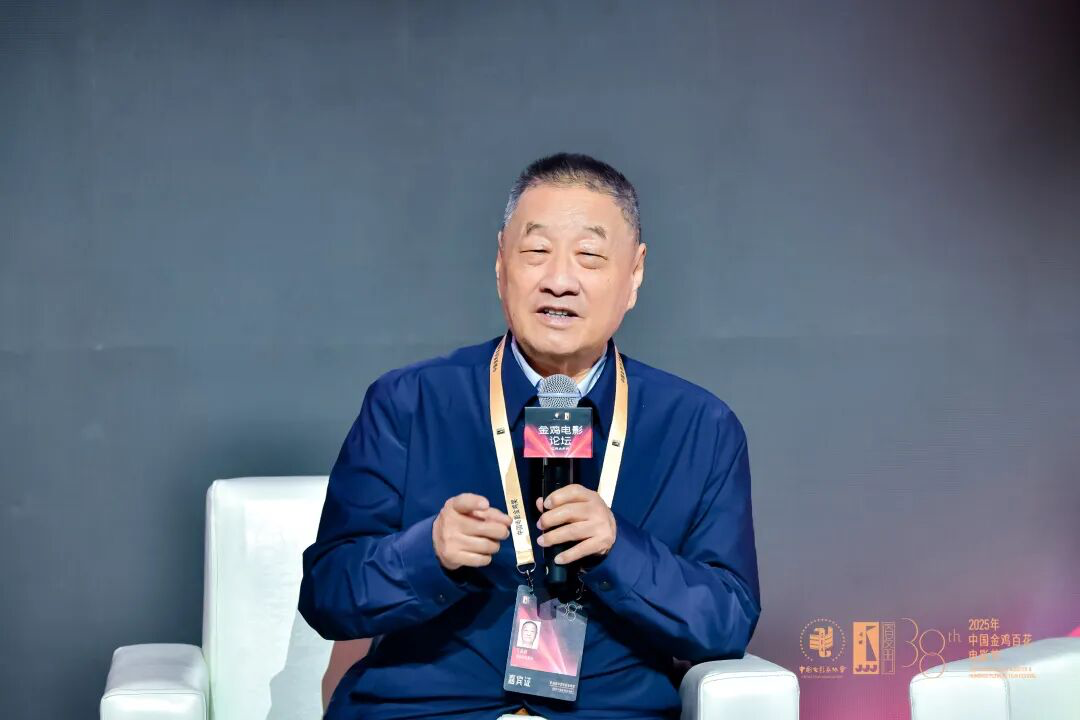
Ding Yinnan, Honorary Member of the China Federation of Literary and Art Circles, Adviser to the China Film Association and National First-Class Director
Ding Yinnan gave the closing remarks. He first expressed his full recognition of this academic film forum and, contrasting generations, spoke with feeling of his encouragement and appreciation for today’s young filmmakers. In his view, the young creators are talented, clear-thinking and articulate, and are already able to hold up their own part of Chinese cinema; the present is the best of times.
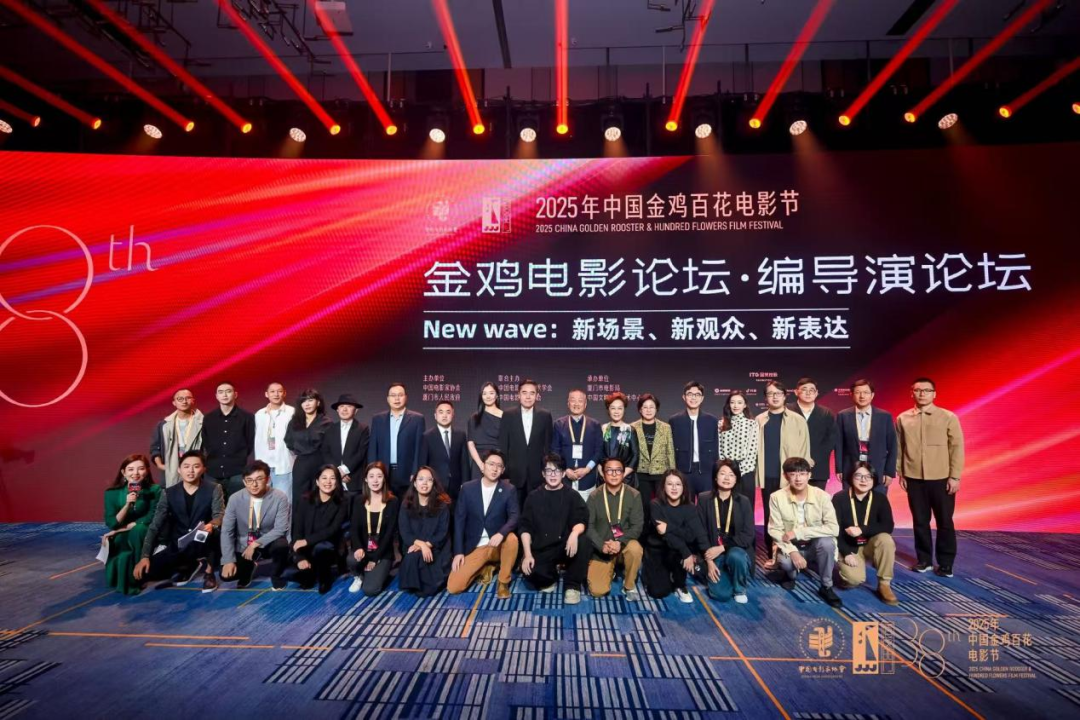
Group photo of the guests
Since its founding, the Screenwriters, Directors and Actors Forum of the Golden Rooster Film Forum has served as a high ground for ideas and a leading engine in Chinese film creation. Focusing on the fundamental question of “what film is for”, the forum gathers the core forces of the industry and urges creators to face the issues of the times, step out of their creative comfort zones and respond to reality with new aesthetic explorations.
This year’s forum was hosted by the China Film Association and the Xiamen Municipal People’s Government, co-hosted by the China Film Performance Art Academy and the China Film Directors’ Guild, and organized by the Xiamen Municipal Film Bureau and the China Federation of Literary and Art Circles Film Art Center. It was moderated by Liang Zhi and Guo Wei.