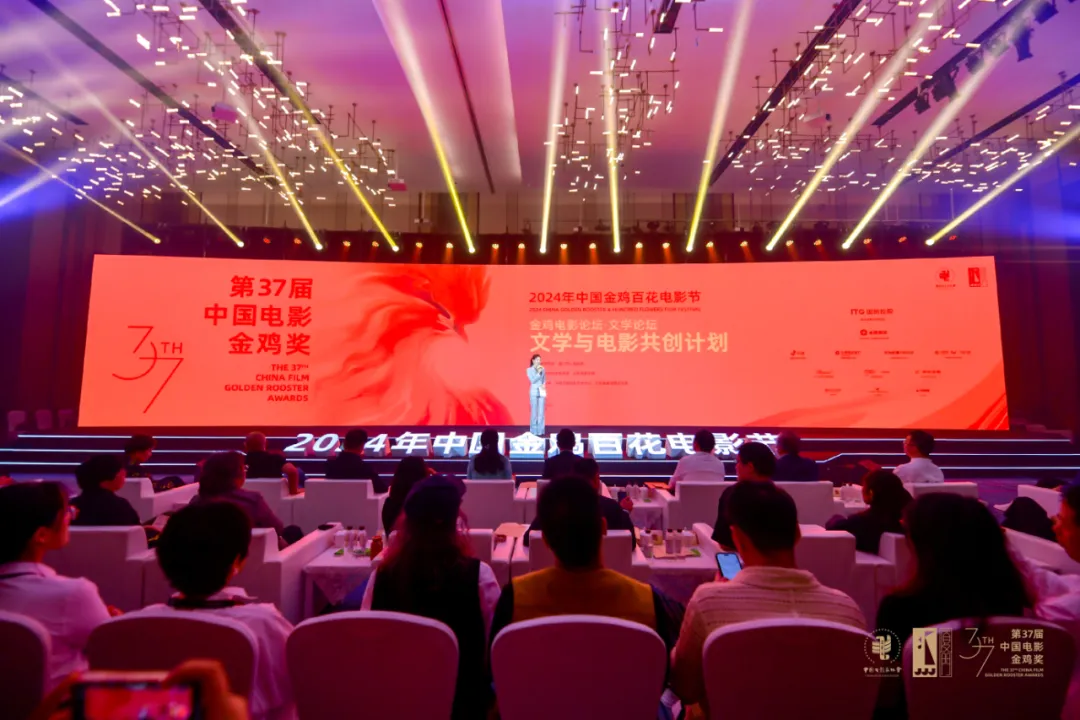
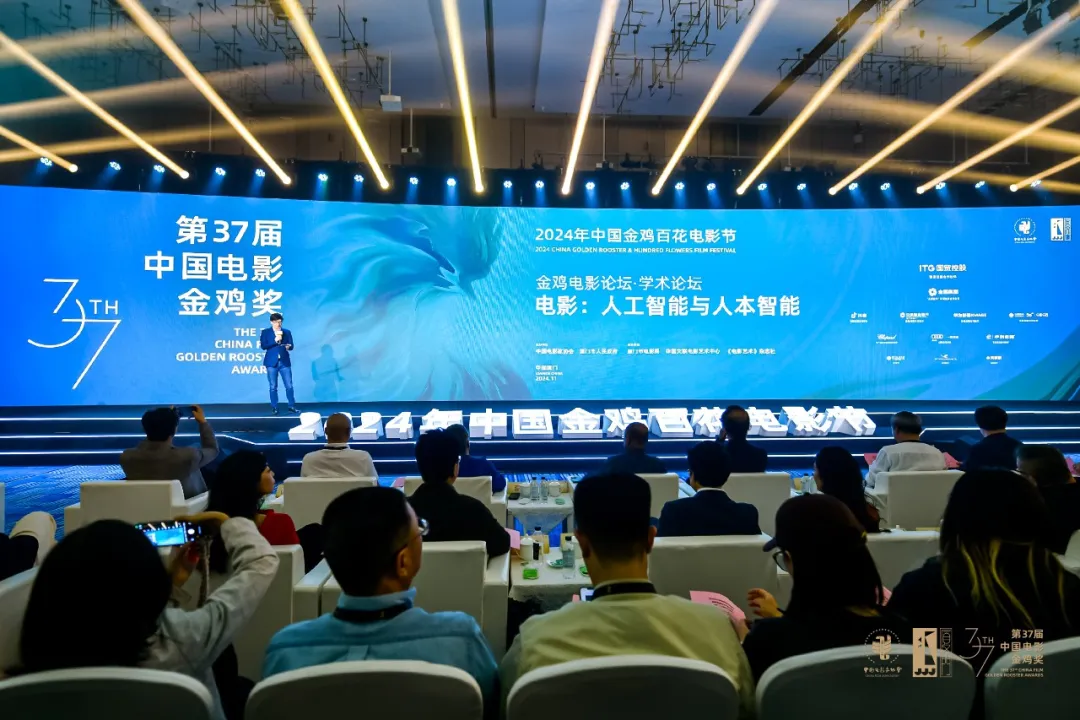
What is cinema?
Cinema is Canudo’s seventh art, and also the fire in Plato’s cave;
Cinema is a dream machine, and also an asymptote of reality;
Cinema is the imaginary signifier, and also a metaphor for contemporary thought;
Cinema makes time visible; it is the art of sculpting in time,
and, above all, “the truth 24 times a second.”
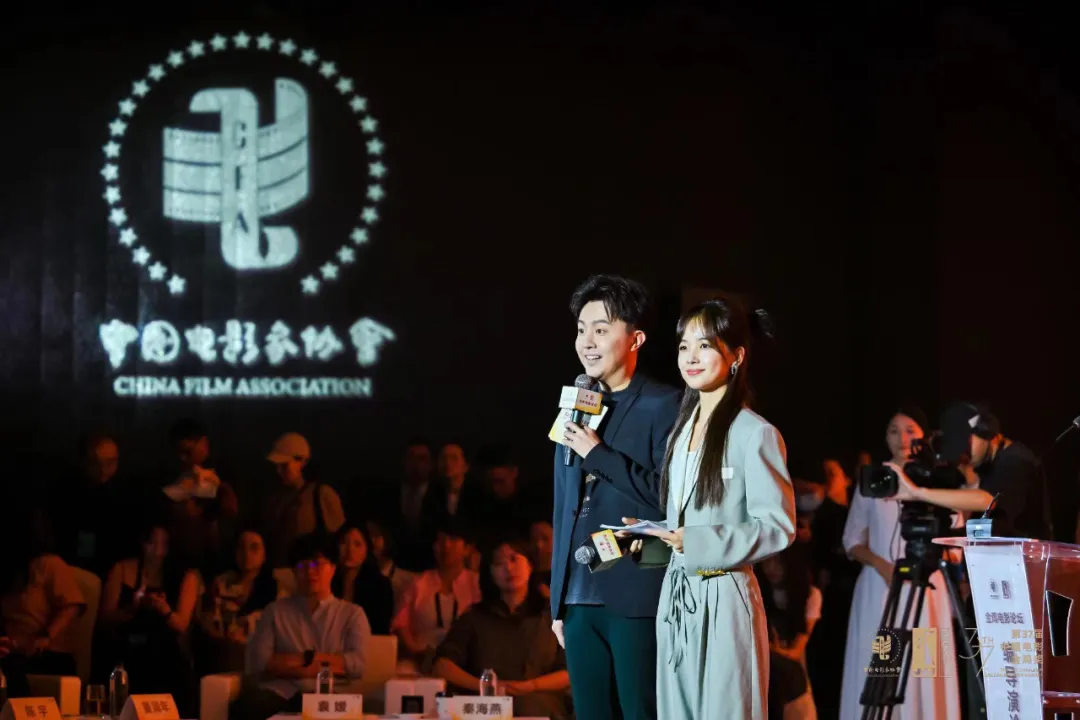
On the morning of November 16, the Screenwriters, Directors and Actors Forum of the Golden Rooster Film Forum, part of the 2024 China Golden Rooster & Hundred Flowers Film Festival, was held in the Zijin Hall of the Tianyuan Hotel in Xiamen. The forum took as its theme “New Spot: New Positions, New Development, New Focus”. It was a practical step by the film community to implement the guiding principles of the symposium on the literary and art community’s in-depth study and practice of Xi Jinping Thought on Culture, and the important guidance of the Third Plenary Session of the 20th CPC Central Committee. In a fast-changing film industry, we need to keep exploring the frontiers of creation and achieve the self-renewal of cinema through reform and innovation. The forum focuses on screenwriters, directors and actors in film creation, and aims to reflect on creative work with artistic insight and philosophical reasoning, contributing to building China into a leading film power through expression, dialogue and advice.
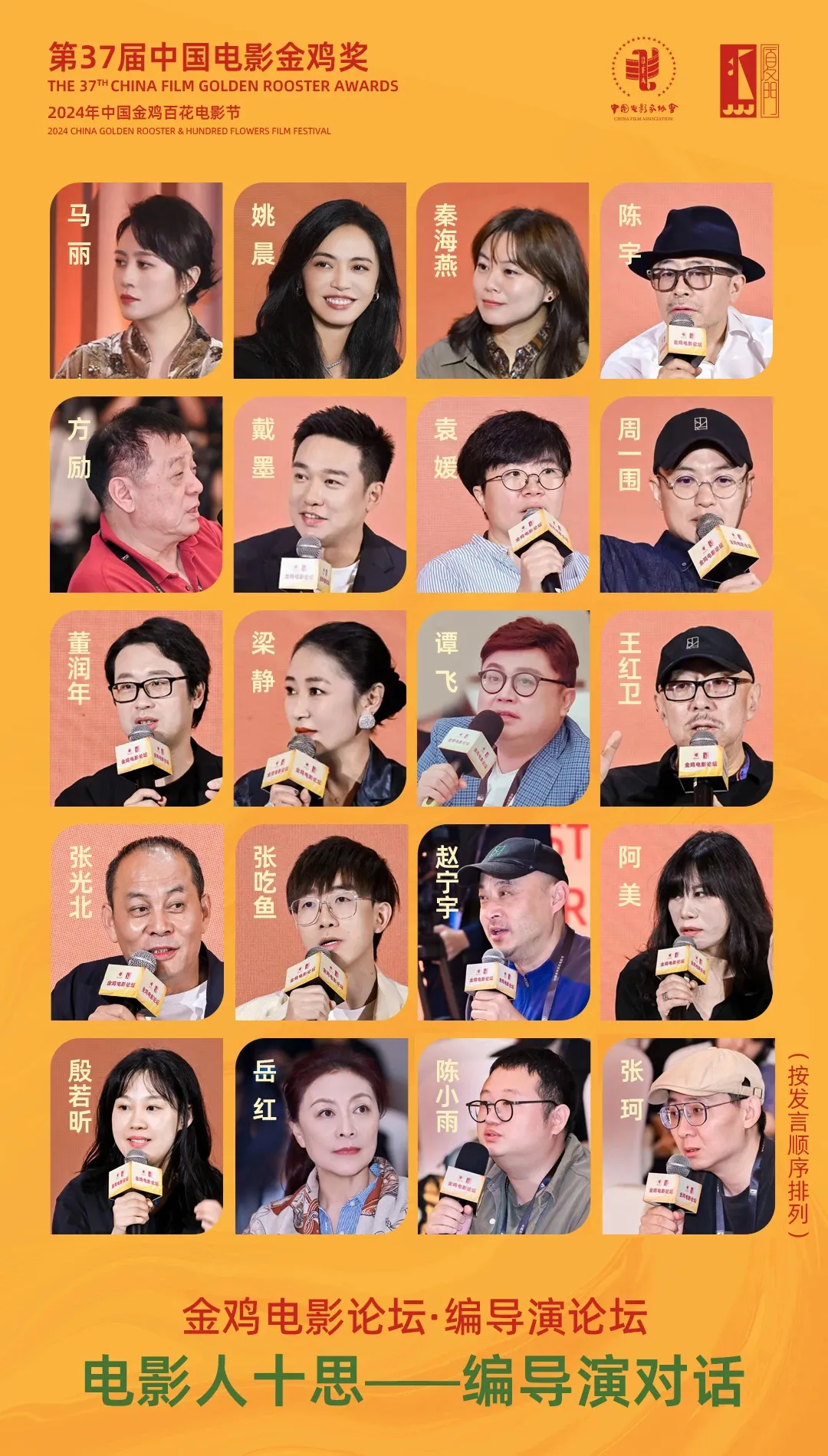
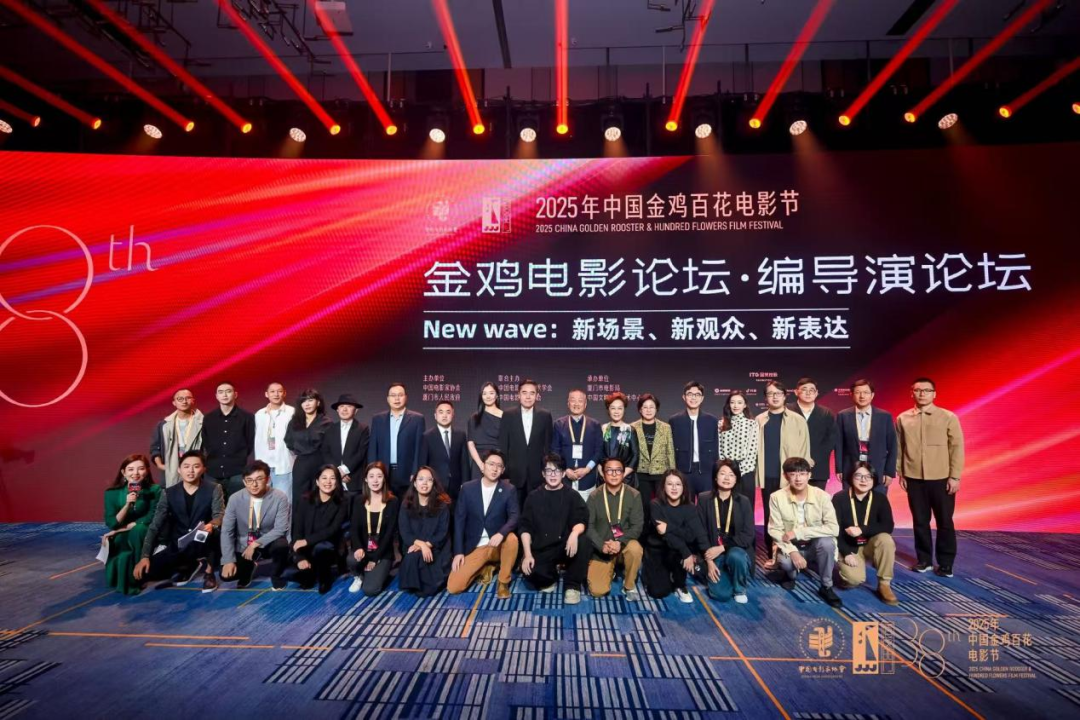
Chen Baoguo, President of the China Film Performance Art Academy; Liu Bing, Member of the Leading Party Members’ Group and Deputy Secretary-General of the China Film Association; and Zheng Dasheng, Vice President of the China Film Directors’ Guild, attended the forum and delivered speeches on behalf of the organizers. Guests in attendance included Yin Li, Vice Chairman of the 10th China Film Association; Yang Wujun, Director of the National Film Special Fund Office; Wang Hongwei, Secretary-General of the China Film Directors’ Guild and Professor at the Directing Department of the Beijing Film Academy; Zhang Guangbei, Secretary-General of the China Film Performance Art Academy; Zhao Ningyu, Vice President of the China Film Performance Art Academy and Professor at the Beijing Film Academy; and Huang Xiaolei, former Secretary-General of the China Film Performance Art Academy. Tao Kaiyuan, Vice President of the Supreme People’s Court, attended as a special guest. Filmmakers Fang Li, Chen Yu, Yue Hong, Liang Jing, Ma Li, Yao Chen, Qin Haiyan, Zhou Yiwei, Yuan Yuan, A Mei, Dong Runnian, Zhang Chiyu, Yin Ruoxin, Dai Mo, Zhang Ke, Huo Meng, Chen Xiaoyu and Tan Fei attended and spoke. The forum was hosted by Wang Bingbing and Liang Zhi.
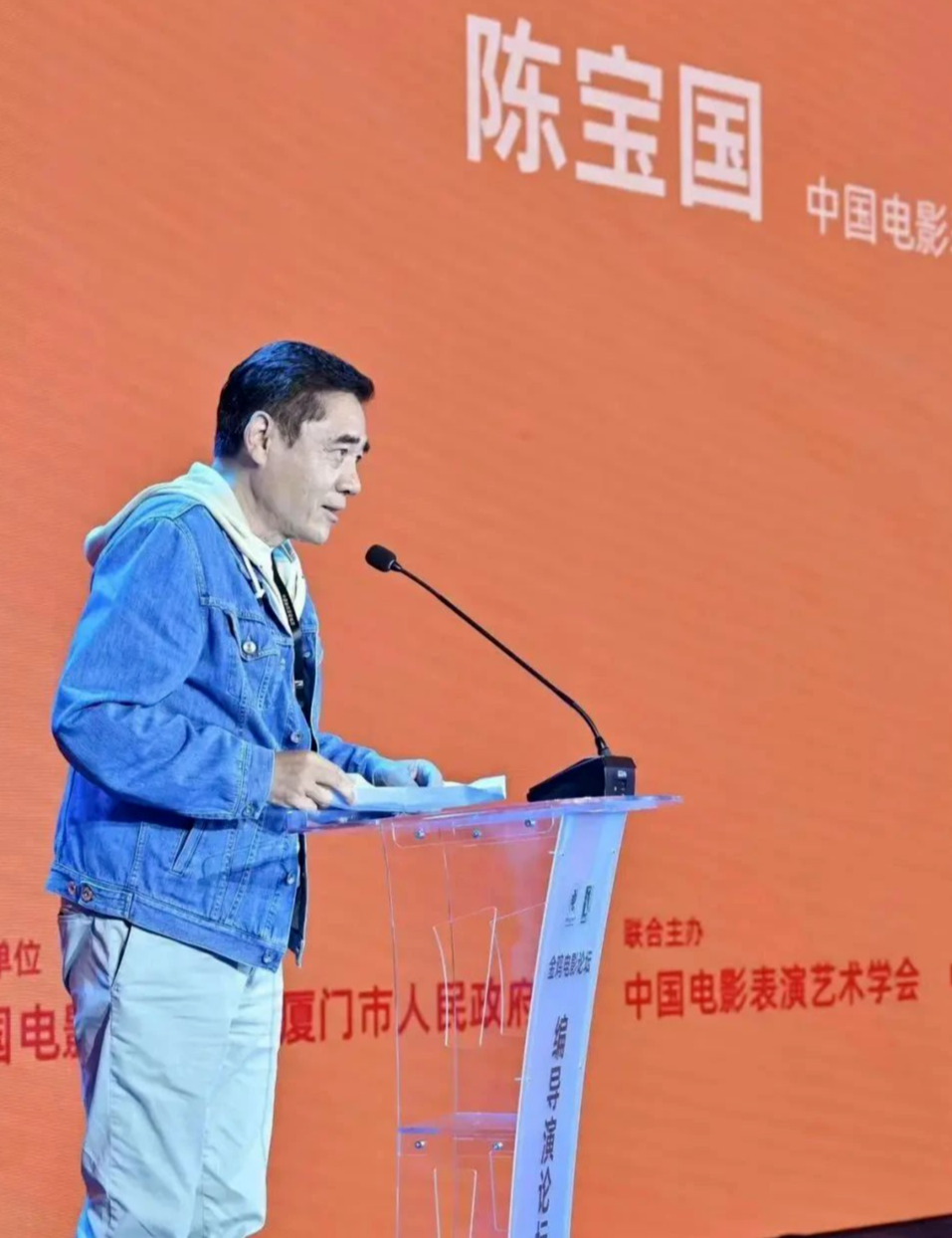
In his speech, Chen Baoguo said that the Screenwriters, Directors and Actors Forum was a revamped version of the Actors Forum, which had been held twice, and that this forum addressed the current state of the industry directly, with all of the selected questions being ones that creators encounter in the process of making films.
In a speech, Liu Bing noted that at a new historical starting point, filmmakers face both opportunities and challenges. As key creative forces in cinema, screenwriters, directors and actors bear the important responsibility of using film to voice the feelings of audiences, show real-life conditions and present the changes of the times.
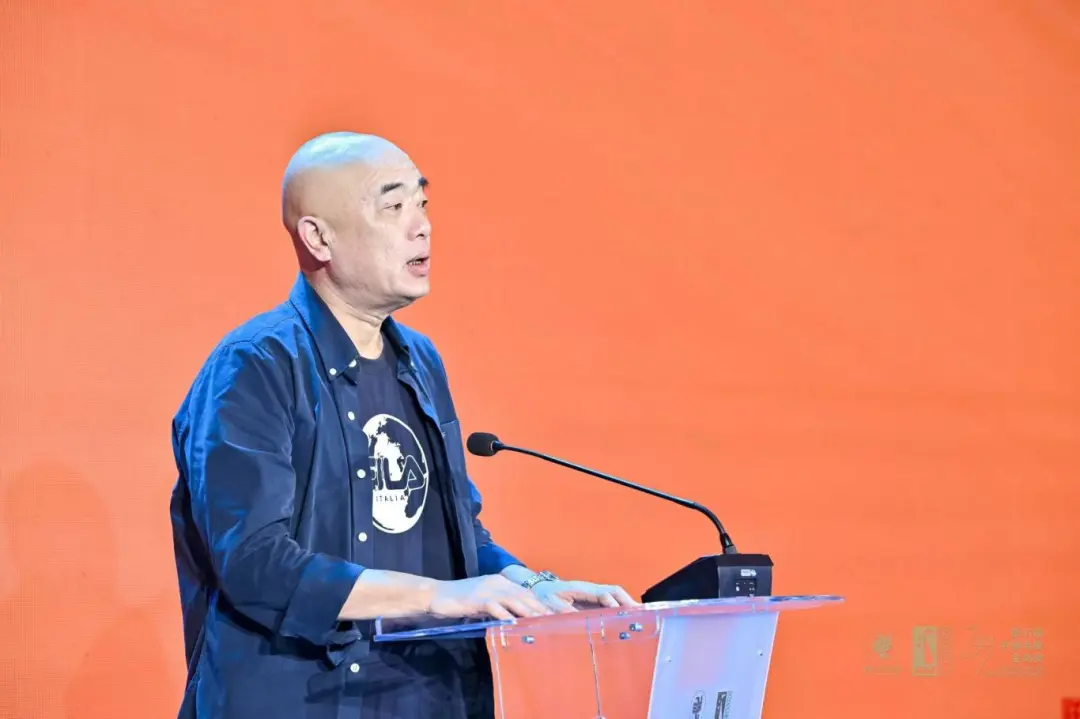
In his speech, Zheng Dasheng said that in the face of unprecedented challenges, young filmmakers are undaunted by difficulties, follow their passion and throw themselves wholeheartedly into the film industry. Together, we should develop new viewpoints, find new paths and explore new meanings.
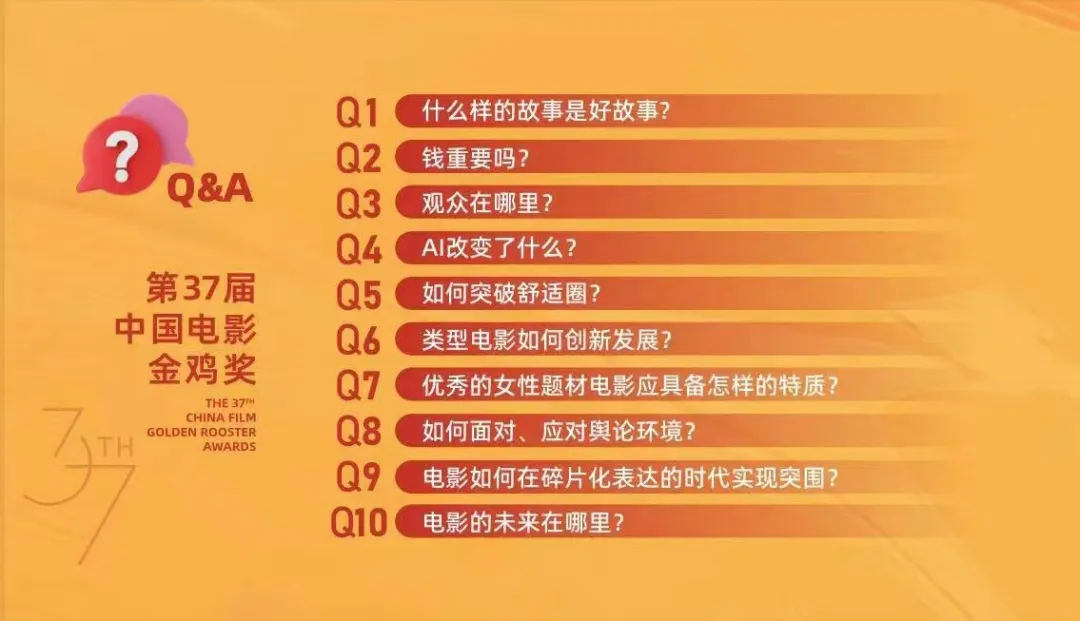
The main session of the forum, “Ten Reflections of Filmmakers: A Dialogue among Screenwriters, Directors and Actors”, set out ten questions that creators currently face and that are of wide concern in the industry. The guests discussed them in an equal, in-depth and candid exchange.
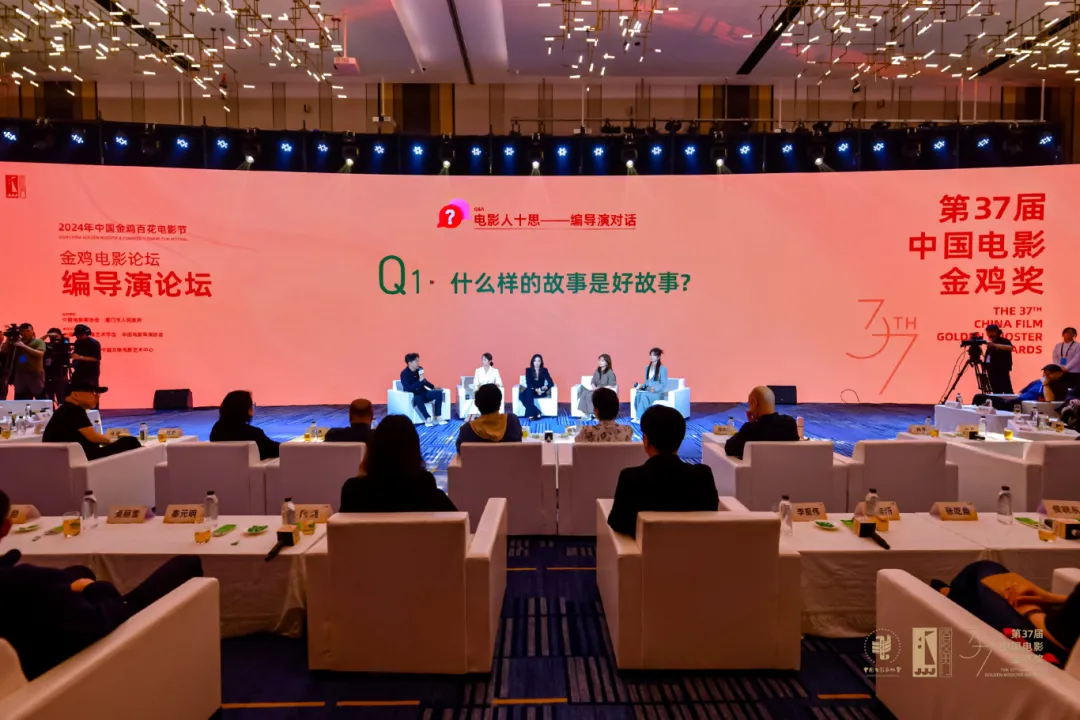
What makes a good story?
Ma Li: “I think everyone understands a good story differently. When a film is released and ten people see it, there may be ten different opinions; some say it’s good and some say it’s not. In recent years I have indeed made a few films with good stories. Take the most recent one, Article 20. I talked with the children of many of my friends, and they said, ‘Auntie Ma Li, after watching this film I want to go out and do good deeds; I want to stand up for what is right.’ That is how I feel too. To me, a story with positive social meaning, in which every character is vivid, is a good story. It has to move me first, then move the audience, and it has to be true.”
Yao Chen: “What makes a good story? I think a story the audience can understand is a good story, and a story that makes the audience curious and creates emotional resonance is a good story. I remember that when I was a student, our teachers often said that in a good film the story need not be true, but all of the emotions and details must be. Real characters and real emotions will lead to a real story. Only such a story can break through all barriers and reach people’s hearts.”
Qin Haiyan: “Before I came to this forum, the directing team showed me these questions, and I said they were excellent questions, because every one of them is something I am puzzled about. Even today I still approach creative work with great caution, as if walking on thin ice. Perhaps for many of the creators here, because we have to build something from the ground up, each time we have to think about what to do next and find a way to breathe in step with the mood of people today. I have to look for these questions and try to give answers. Faced with short dramas, and with the evaluation systems that AI provides us, what new things can we actually bring to people, and what new storytelling rhythm can we offer them? These are things we keep testing and exploring in our current practice. So I feel this question has no answer; we think it through step by step in the course of making the work, face the new impact and take on the challenge.”
Chen Yu: “I think there are many kinds of good stories. If you have to define it in the simplest and most precise way, I now feel that the most fitting and accurate story is a good story. What is most accurate? It is measured by the information your film is meant to convey to the audience this time, including narrative information, emotions and values. There are so many good things in the world and so much worth saying. If, at a particular time and place, you have an accurate discussion with the audience about something, I think that is a good story.”
Fang Li: “Because I have worked as a producer for a long time, I always sit on the audience’s side. What is a good story to me? One where you spend a few dozen yuan and live for a while, spend a few dozen yuan and go through a story you could never experience in real life. That is a good story. And if, fifty years later, the story can still let future audiences experience a world and characters they would otherwise never encounter, then from the audience’s standpoint I consider it a good story. But as a producer I also have to deal with creators and production staff: a story that can produce fantastic visual effects without costing much money is a good story. Because actors are the key medium for forming emotional bonds with the audience, a story in which actors can expand the relationships between characters within its time and space is also a good story.”
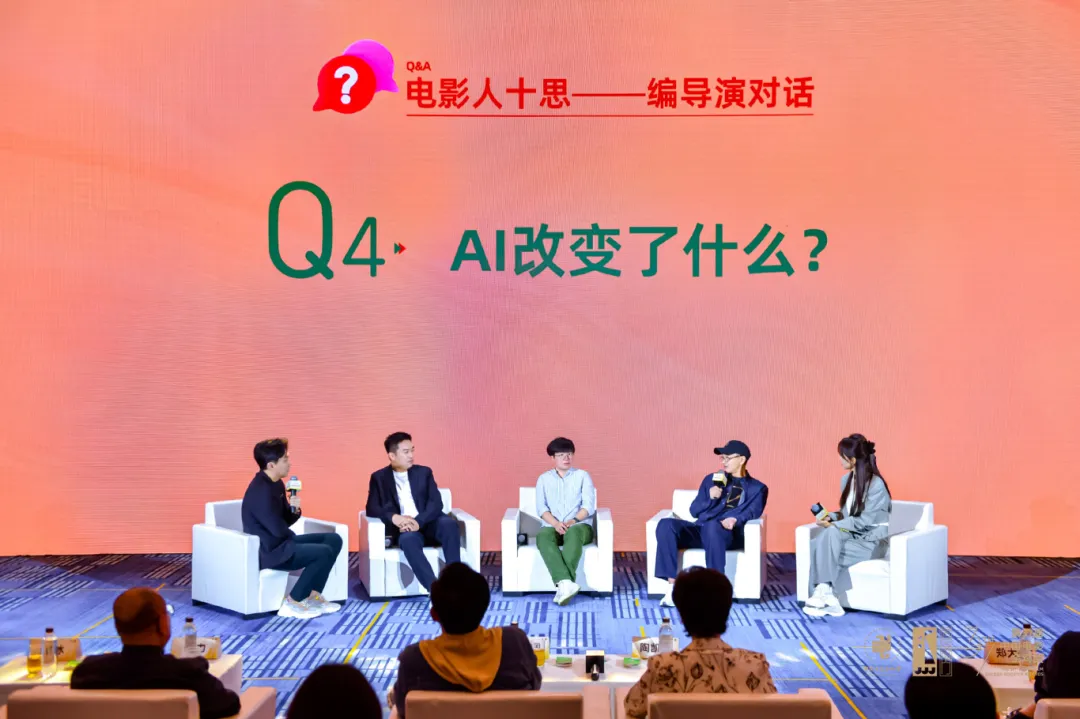
What has AI changed?
Dai Mo said that at the start of the year, the strong performance of ChatGPT and similar technologies had discouraged the industry, as technology seemed to be developing far faster than expected. However, he believes the vividness of human performance has not yet been replaced, and content generated by artificial intelligence still shows obvious technical traces. For this reason, they are exploring how to put these technologies to their own use.
Yuan Yuan said that AI has profoundly changed the world and can be neither avoided nor resisted. At Xi’an Film Studio, she was at first skeptical about an AI-assisted creation platform, regarding tools such as ChatGPT as unsophisticated and time-consuming. After trying it, however, her view changed considerably. The platform is designed for film creation, and although it is at an early stage of development and still being tested, it has already shown remarkable potential. Industry professionals frequently use its evaluation and in-depth revision functions, and its intelligent rewriting and continuation features brought her surprises and inspiration, as if she had a think tank to consult at any time. Although AI cannot replace humans, as an assisting platform it can already raise the standard of preliminary work and lift the baseline of creative output to an average passing level. Yuan Yuan stressed that AI has changed the way of creative thinking, from thinking alone to interacting with AI, making the creative process clearer. In addition, AI has shown value in daily life as a source of companionship and conversation, and she was struck by the convenience and warmth that technology brings.
Zhou Yiwei shared his experience with AI face-swapping technology, mentioning that he had once taken part in face-swapping work for the app “Talking Tom Cat”. It took only a short session recording his voice and expressions in different emotions to complete the face swap for an entire film. He noted that if a performance is not distinctive, such technology is not even needed. When asked whether he would accept future work in which he is only scanned and then called in for reshoots of specific shots, Zhou Yiwei said that emotionally he would refuse, but rationally he believes such work lacks irreplaceability: if he does not do it, someone else will.
Liang Zhi said that the Golden Rooster Films Project Market, now in its sixth year, showcased a number of sample films made with AI, such as Crossroads, Blade and Antenna. These low-cost samples show directly the young creators’ command of the moving image, including editing rhythm, composition, sense of color and feel for music, and serve as a direct aid to creators’ training and improvement.
Fang Li: I especially want to remind everyone, “Don’t be fooled.” AI stands for Artificial Intelligence, that is, “fake intelligence.” AI is a very powerful, enormous tool, but only a tool. What AI does is cross-referenced, fully automated, high-speed retrieval; it quickly hands you what people before you have made. It can help with learning but cannot replace performance and creation. He encouraged creators to keep their individuality and originality, and to use AI objectively and happily without letting it replace human value. Liang Zhi agreed, saying that although AI is a hot topic, it should not be mythologized. In the end, loving film and loving life are the key to creating good work.
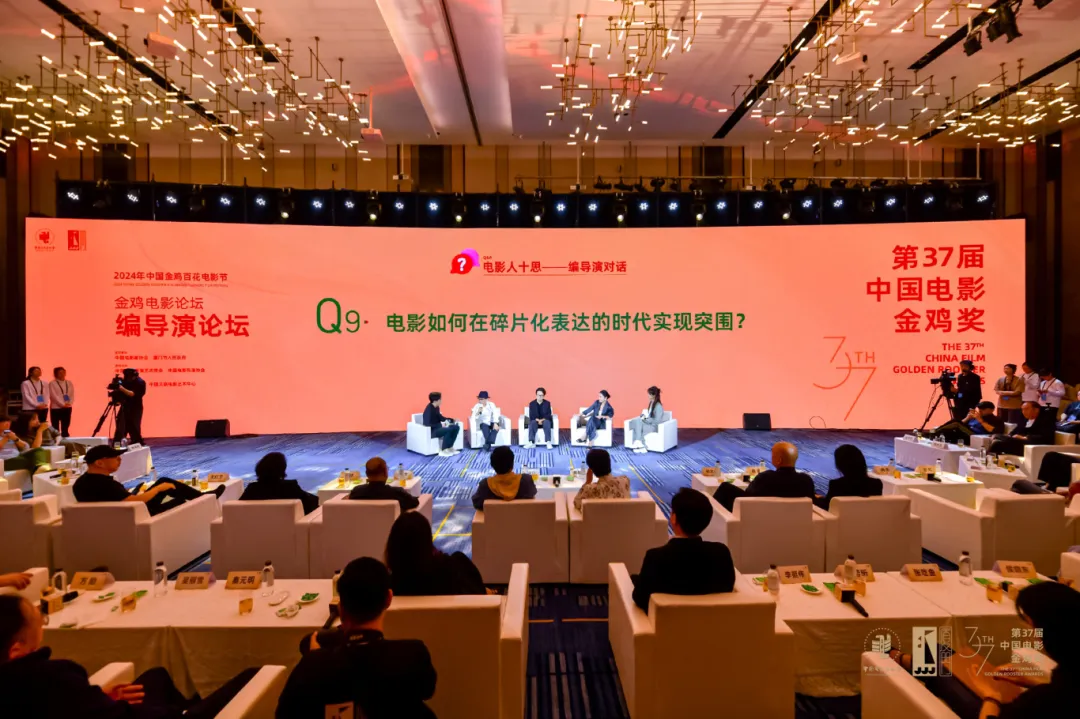
How can cinema break through in an era of fragmented expression?
Chen Yu said he is not anxious about AI, but the rise of short videos and micro-dramas is indeed worrying. These new forms have challenged the position of films and long-form series and divided the audience. He believes filmmakers should first adjust their mindset and accept that film now carries less weight in people’s lives as a way of meeting their demand for cultural and entertainment consumption. At the same time, they should study, on a theoretical level, what is irreplaceable in films and other long-form content, namely its value as deep reading and its distinctive mode of artistic presentation. Chen Yu proposed that cinema should become more artistic, presenting the spiritual and imaginative worlds of human beings, with a high degree of artistry focused on narrative and emotional expression. In short, filmmakers should accept the present situation and find and strengthen what in film art cannot be replaced by other art forms, namely art itself.
Dong Runnian said he strongly agreed with Chen Yu’s view that cinema is gradually becoming a form of deep reading. Speaking from his own creative experience, he pointed out the challenges creators now face: audiences know more than creators and have richer viewing experience, so traditional storytelling struggles to meet their needs. Audiences now prefer to get information quickly and have little patience with what they already know, and the structures and patterns by which their brains take in information have changed. In addition, young audiences express emotion more directly and dislike subtext or implicit expression. Creators therefore need to face these realities and adjust how they work in order to attract young audiences and keep them focused while watching a film. Dong Runnian believes this is a reality that filmmakers today must recognize. “It is a challenge and also an opportunity. It will certainly push us to think of newer things in our creative work and in our art. I believe that throughout history, the reason our literature and art kept evolving and changing, from the most ancient forms to traditional opera and later to film, must be that creators were pushed to come up with new ways of communicating with audiences.”
Liang Jing believes that the so-called “breakthrough” does not exist. Cinema should cultivate its own strengths, such as its audiovisual and social qualities, its storytelling and its continuity, in order to differentiate itself. She noted that although fragmented forms of expression have affected viewing habits, cinema remains irreplaceable in the spectacle of watching in a theater and the dreamlike experience of a story. As for publicity and distribution, although she may not personally like platforms such as Douyin, the reality is that they play an important role in promotion and cannot be avoided entirely. “We have no way to break through; we can only face it, hold our ground and try to make our content good. That is what I think.”
In response to host Wang Bingbing’s question about audiences finding it hard to concentrate, Chen Yu replied that each person’s capacity for processing information can be compared to a computer’s hard drive, memory and CPU. In the fragmented era, the hard drive (storage capacity) and the CPU (processing capacity) have stayed basically the same, but the memory (the ability to concentrate and think deeply) has shrunk. This means people find it hard to think deeply, and their understanding of complex issues has become shallow. Chen Yu sees this as one effect of short-video platforms such as Douyin on contemporary life. He stressed that this trend is hard to judge as good or bad, but filmmakers should find a different way of creating within it and develop their own artistic path, rather than trying to compete with short videos. He therefore suggested that creators should not speed up their pacing simply to capture the audience’s attention, but should keep their original rhythm and depth and look for modes of artistic expression distinct from short videos.
Tan Fei pointed out that although the fragmented era brings challenges, there is also much room to take in what is nourishing in fragmentation and combine it with the aesthetic values of film. Examples include Johnny Keep Walking! and A Place Called Silence, works that contain fragmented elements which audiences are willing to accept. Tan Fei believes the human brain has gradually adapted to this fragmented way of receiving information, and could even be said to have been “formatted.” Given that this cannot be reversed, filmmakers should learn to coexist better with the fragmented era and use its advantages to upgrade film aesthetics. The film industry needs to attract new audiences, and the fragmented era provides new opportunities and tools that filmmakers should make good use of to advance the industry. “Everything is a tool; anything that benefits this industry should be allowed to happen.“
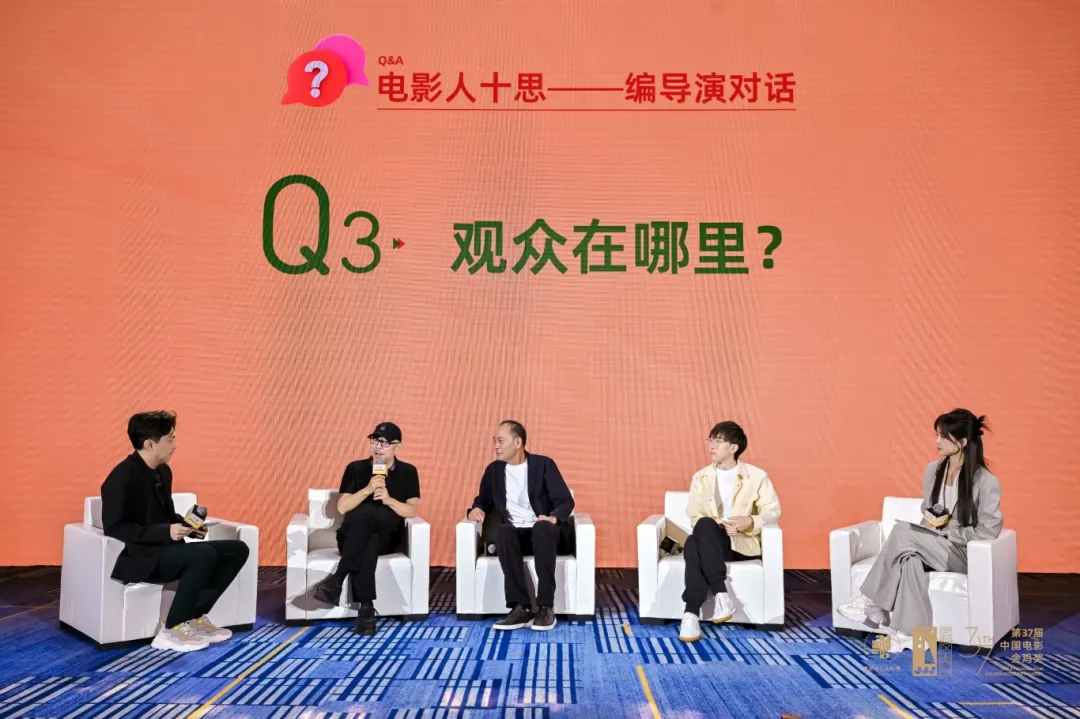
Where is the audience?
Wang Hongwei pointed out that the crisis now facing filmmakers is the large gap between their expectations and market feedback, which leaves them confused and at a loss. He believes the root of the problem is that creators still follow the logic and experience of the past in making films, while audiences’ interests and expectations have changed considerably. To deal with this crisis, Wang Hongwei proposed reversing that logic and returning to the starting point of creation. He stressed that creators should focus on what they want to express rather than relying too heavily on market calculation, scale and experience, and should think about how their work can find its audience instead of blindly chasing market trends. Returning to the starting point of creation, he said, does not mean abandoning market considerations altogether, but paying more attention to communication and connection with audiences while maintaining artistic quality. Although the film market faces many challenges, returning to the starting point of creation and holding to artistry and an audience orientation may change the current situation to some extent and bring new opportunities and development to the film industry.
Zhang Guangbei stressed that the core task of actors is to build every role with diligence, making each a distinct, full-blooded character that draws audiences in. He believes actors should not deliberately seek out audiences, but should let audiences come to them through outstanding performances, which sets high demands on actors’ professionalism and artistry.
Wang Bingbing noted that waiting for audiences to come of their own accord does carry a certain risk, since it is uncertain whether a work will be accepted right away or whether audiences will change their minds and come to like it later. This uncertainty may be a challenge for many practitioners and may lead them to choose the “safer” course of catering to the market. Yet in reality even works that cater to the market do not always succeed and sometimes fail. This reflects the complexity and challenges facing the film and entertainment industry today: how to attract and meet audience needs while maintaining artistry and innovation.
Zhang Chiyu pointed out that although film and television industry data suggest audiences are leaving cinemas, broader consumption reports show that consumption is stable with some growth. This means audiences have not disappeared but have become more rational and cautious, with higher expectations of content quality. “First, we need to provide innovative content; second, content with higher emotional value; and third, content that resonates more strongly with audiences.” On the question of fragmentation, Zhang Chiyu offered a new perspective. Although each episode of a micro-drama is short, he said, viewers often watch many episodes in a row, sometimes spending more than a hundred minutes. Defining content as “micro” or “long” is therefore inaccurate; what matters is the concentration of emotional value it offers. We should view this issue rationally. “Micro-dramas are popular now because they are new, but as time passes the novelty will wear off and audiences will become more rational again.” Film and television makers therefore need to keep innovating and provide high-quality content to attract and retain audiences.
Zhao Ningyu pointed out that the film market has always been changeable; with “a hundred boats competing on the river”, every kind of film has its market and its ups and downs. Although some excellent films are overlooked by the market, some films of ordinary quality are highly popular. Yet the general laws of the market have not changed. Filmmakers should change their methods and attitudes in filmmaking rather than cling to old conventions. Earlier generations of filmmakers succeeded through innovation, and today a second revolution is needed. “Why have we stopped moving forward? We should face this squarely. Rather than retreating and waiting for an opportunity, it is better to hold our ground and create opportunities.”
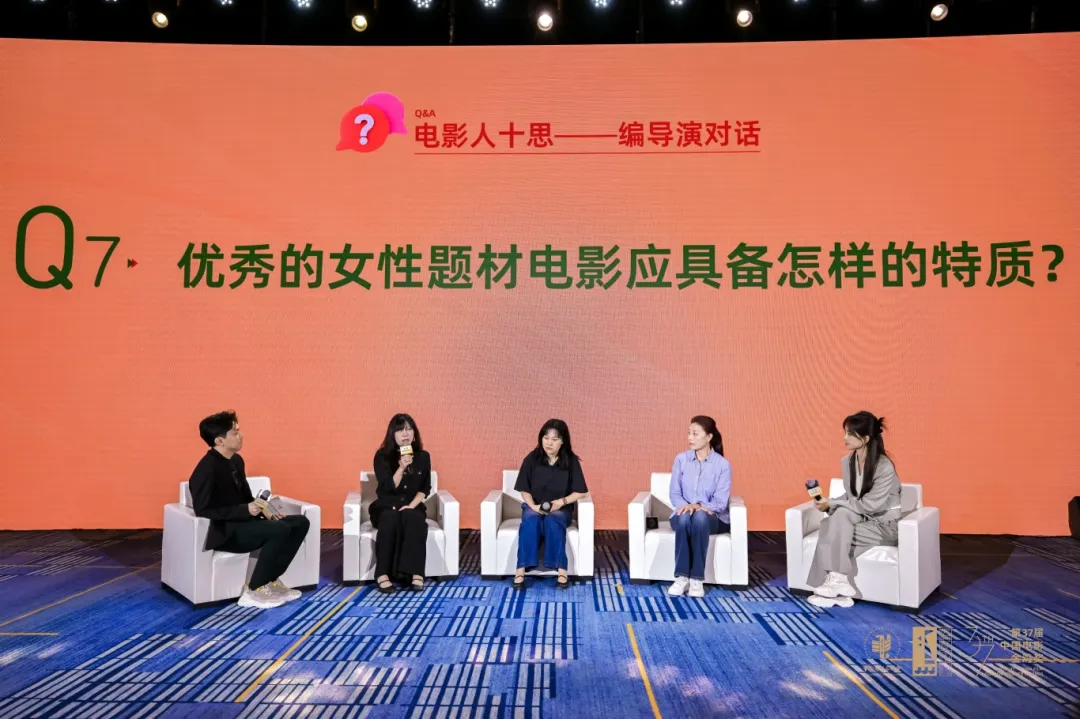
What qualities should an outstanding film about women have?
A Mei believes that films on women’s themes differ from feminist films; the key is that women should be portrayed as subjects with independent personalities and free will, rather than as appendages of men or objects of desire, praise or rescue. Citing Like a Rolling Stone as an example, she noted that the film is based on a true story, explores predicaments commonly faced by women, and shows women’s courage and strength. “Most importantly, the director and we were very sincere in it; it was an expression drawn from our own experiences as women, and we created it with a sincere attitude.” Women’s films or feminist films are only one angle of cinema; ultimately cinema is concerned with human nature, and women are only one dimension of it.
Yin Ruoxin believes that the first element of a film on women’s themes is that its subjects, protagonists and participants are mainly female characters. “Actually, I don’t know why we need to define women’s themes and men’s themes, because I love watching all kinds of films. When we speak of an -ism, we must have an attitude, and a clear attitude is very important. A creator’s attitude, feelings and emotions are reflected in every shot, every line of dialogue and every action of a character, so what I care about more is the creator’s attitude behind the work. There are more and more works with women as protagonists, and they should present every dimension of a woman’s emotions in depth and with energy, because we all carry such vast and rich emotions through every stage of life from birth onward. I also think a film cannot have only women; there will always be men in it, and creators should treat every character equally. Men’s emotions are also powerful and multidimensional. We all have strengths and weaknesses. If we are to define women’s films, they are films in the first place, so I think a film still has to portray people well, tell its story well and convey emotion well.”
Yue Hong believes that film is film and life is life, and that men and women are equal. “From playing young women when I was young to playing mothers and mothers-in-law now, whatever the case, the most important thing in a work is to portray a person. This mother, this lover, this wife: whatever the role and whatever its place in the film, it is first of all a person. I very much hope that in future work, you, me and everyone together will each shine, and every character will carry responsibility and contribute to the story. As an actress, I hope there will be more opportunities and better platforms so that many outstanding actresses and female characters can shine.”
Chen Xiaoyu said that after Gone with the Boat was made, some viewers said it seemed like a women’s film and assumed it had been directed by a woman. “When we wrote the script, we did not deliberately think of it as being about women; our protagonists just happened to be two women. I was raised by my grandmother and my older sister, and they had the greatest influence on me growing up. When I was writing the story, I felt that men’s stories, men’s perspectives and men’s predicaments had been filmed thoroughly, and I didn’t feel much desire to express them. But not many people talk about my grandmother’s predicament or my sister’s, which still seemed worth telling, so I made the film.”
The Volunteers screenwriter Zhang Ke also shared insights on creating female characters at the forum. “In The Volunteers, we wanted to show the heroic sons and daughters. Whatever the order, the sons and daughters among those heroes are all Chinese, so from the start we wanted to present an important image of the women of New China, a force in their own right, not an appendage of men but with their own agency.“ This aesthetic has won the recognition of young audiences, which has been gratifying for the creators.
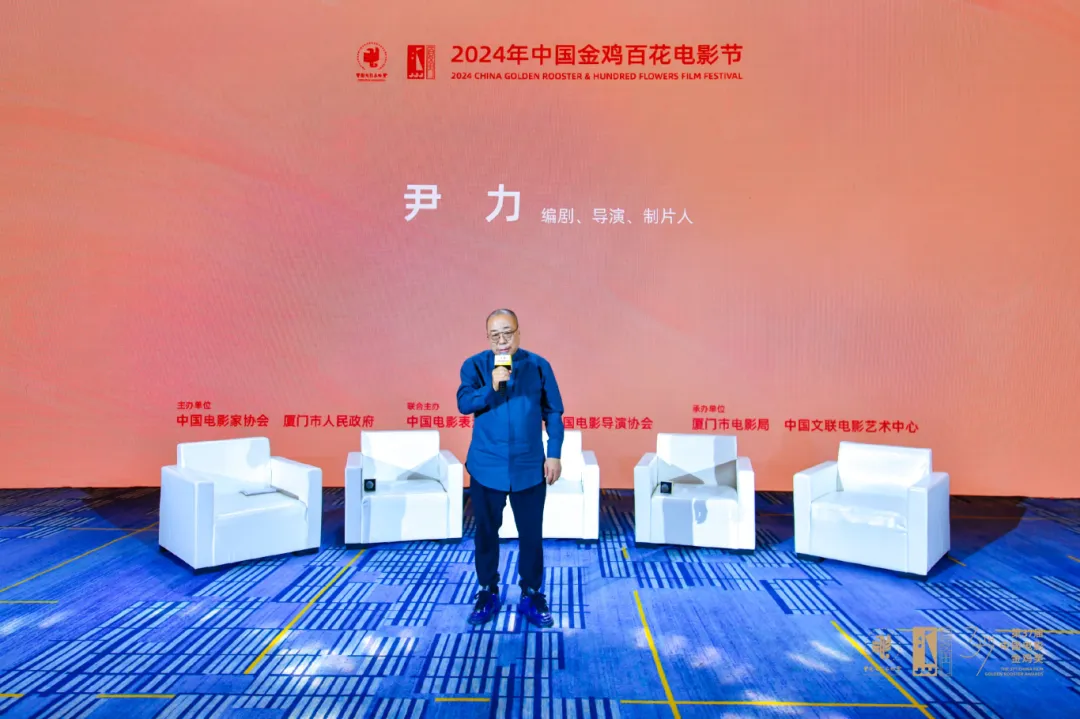
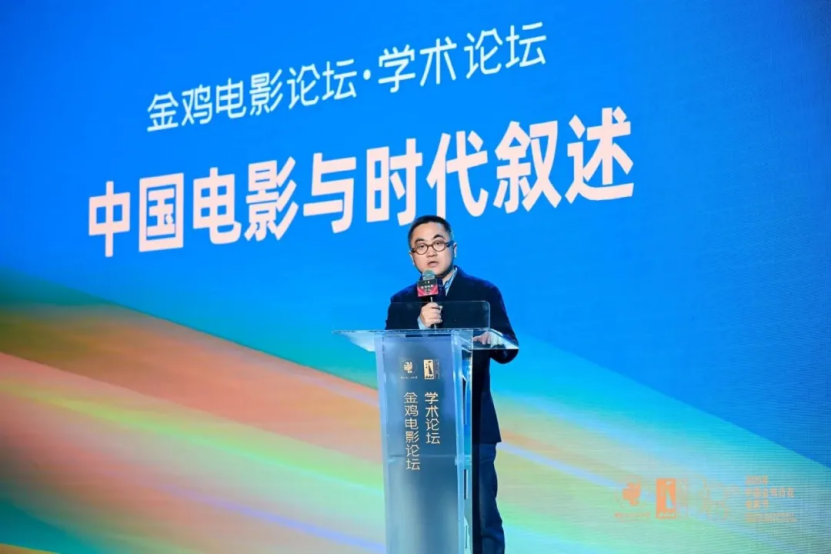
Yin Li gave the closing remarks. He said that over the years he has taken part in and witnessed discussions on many topics at the festival’s forums, and that “the Golden Rooster forums have gained increasing depth, breadth, dimension and quality.” He stressed that the key is to do our own work well and improve the quality of film content. “Our 80,000 screens are like high-end restaurants; what matters is the ‘dishes’ of content they serve.” Although Chinese cinema has not returned to pre-pandemic levels in recent years, young audiences remain the main force of the market, showing that watching films on the big screen is still an essential need. “The country long ago set out a timetable and roadmap for building a leading country in culture by 2035. Time is short. In Chinese film, which matters most here, I see so many younger faces today, so many young producers, directors and screenwriters; you are where our hope lies. As General Secretary Xi Jinping has said, more than 1.4 billion people across 9.6 million square kilometers are staging a magnificent drama. Glory and dreams, joy and sorrow are all subjects for our films. Keep working hard. Go for it!”
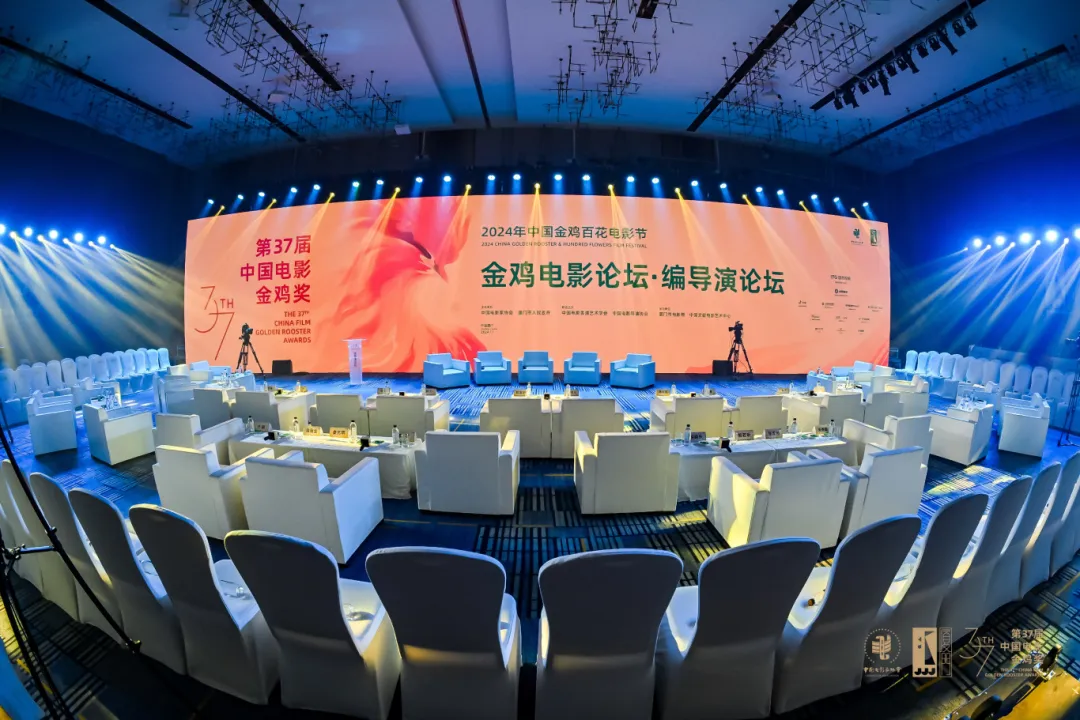
The Golden Rooster Screenwriters, Directors and Actors Forum took the simple form of a tea party. The stage was removed and the aura of stars and artists set aside; the participants were all working film professionals and seasoned craftspeople. Through the “Ten Reflections” responding to the questions of the times, screenwriters, directors and actors started from concrete problems, addressed the current state of the industry and discussed its future, promoting reflection through exchange and sharing their incisive views. In their answers we may find the courage of Chinese cinema to stay at the forefront, reform itself and surge ahead, and an inexhaustible source of innovation that gathers wisdom for building a leading film power.
The forum was hosted by the China Film Association and the Xiamen Municipal People’s Government, co-hosted by the China Film Performance Art Academy and the China Film Directors’ Guild, and organized by the Xiamen Municipal Film Bureau and the China Federation of Literary and Art Circles Film Art Center.