





HomeGolden Rooster Film ForumGolden Rooster Film Forum · Literature Forum | Literature and Film Co-Creation Program
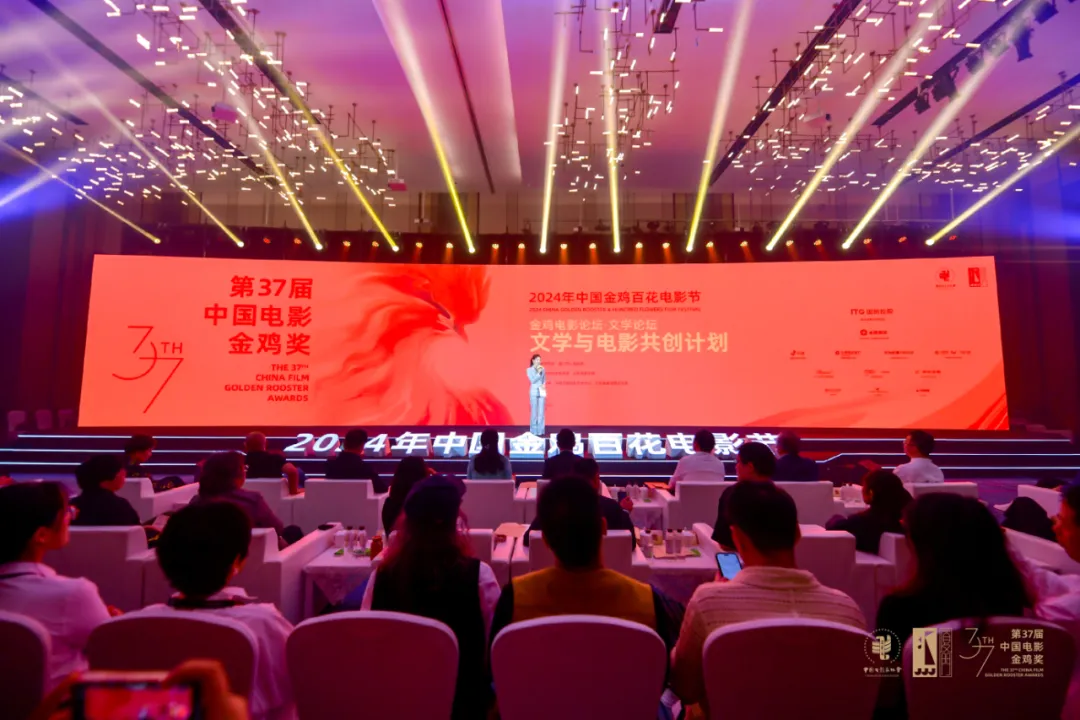
On the afternoon of November 15, the Golden Rooster Film Forum · Literature Forum was held at the Tianyuan Hotel in Xiamen. The forum was hosted by the China Film Association and the Xiamen Municipal People’s Government, co-hosted by the Social Liaison Department of the China Writers Association and the Beijing Film Academy, and organized by the Xiamen Municipal Film Bureau, the Film Art Center of the China Federation of Literary and Art Circles and the Department of Literature of the Beijing Film Academy. It brought together well-known writers, screenwriters, directors, scholars and film critics from literature and film, who jointly launched the “Literature and Film Co-Creation Program” and held a roundtable on the theme “The Literary Nature of Contemporary Film”.


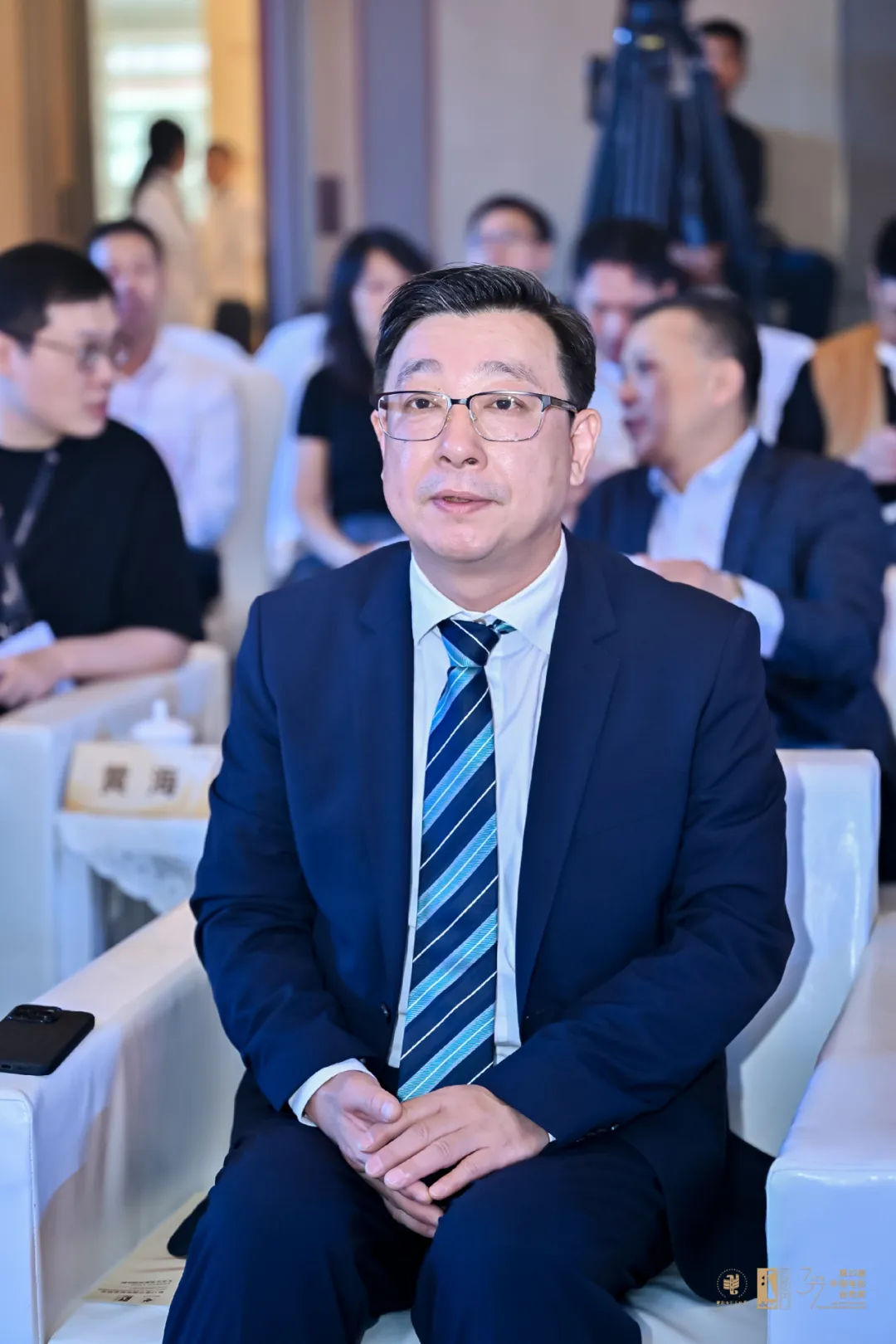
Guests attending the forum included Deng Guanghui, secretary of the Leading Party Members’ Group and standing vice chairman of the China Film Association; Zhou Zhijun, Party secretary of the Beijing Film Academy; Yang Wujun, director of the Office of the Management Committee of the National Special Fund for Film Development; Song Zhiqin, executive deputy director of the Film Art Center of the China Federation of Literary and Art Circles; Zhou Jiandong, vice president of the China Film Producers’ Association; Yang Xianghua, president of the Film and Overseas Business Group at iQIYI; Tang Ke, deputy director of the Program Production Center of the CCTV-6 Movie Channel; writer and screenwriter Ran Ping; the chairman of the Hubei Writers Association and deputy director of the Film and Television Literature Committee of the China Writers Association, Li Xiuwen; directors and screenwriters Fang Gangliang, Ning Jingwu, Yuan Yuan, Huo Meng and Li Ruijun; screenwriters Huang Hai and Yang Weiwei; director Degena; writer Xu Yigua; film critic A Lang, editor-in-chief of Movie View magazine; Li Siyi, lecturer in the Department of Chinese and History at City University of Hong Kong; and Yang Rui, associate professor in the Department of Literature of the Beijing Film Academy. The forum was moderated by Movie Channel host Guo Wei.


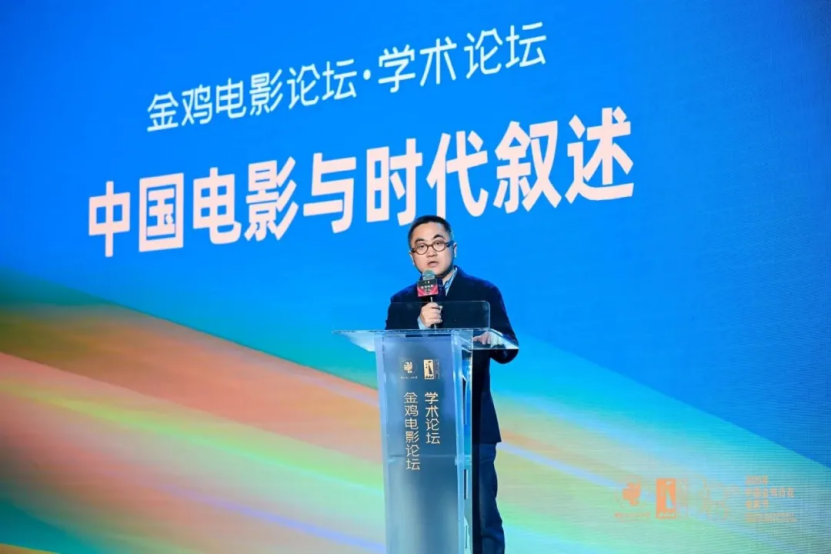
                                                                                    – Deng Guanghui, Secretary of the Leading Party Members’ Group and Standing Vice Chairman of the China Film Association –


Film is an asymptote of reality, and literature is the gene pool of film.Today, how can film act as a companion to the spirit of the times and speak on social and contemporary issues by way of the text? And how can literature go deep into the nature of the moving image and build momentum amid the constant changes of new media? The “Literature and Film Co-Creation Program” examines these questions in detail. It also builds a practical platform for turning literary works into film and television works: mid-career directors and screenwriters work together to select, from works entered for the Lu Xun Literary Prize and Selected Fiction’s 100 outstanding literary works, those they consider suitable for adaptation, recommend them from a film perspective and develop detailed plans for bringing them to the screen. This opens up more possibilities for outstanding literary works to come to the attention of filmmakers and for upgrading film content, letting film absorb fresh literary blood and keep a broad and bold anchor amid changing cultural currents.

                                                                                               Song Zhiqin, Executive Deputy Director of the Film Art Center of the China Federation of Literary and Art Circles


In her address, Song Zhiqin said that literature and film are intertwined like roots and leaves, and that the nearly 120-year development of Chinese cinema has relied on the nourishment of literature.Today, with the spread of digital technology and new media, the integration of literature and film faces new opportunities and challenges. The forum officially launched the “Literature and Film Co-Creation Program”, which selects outstanding novellas and short stories from the Lu Xun Literary Prize and invites young directors and screenwriters to jointly develop adaptation plans, aiming to create films with strength, moral integrity and warmth. The fusion of the “poetic” quality of literature with the “cinematic” quality of film not only brings new momentum to Chinese cinema in the new era, but also offers an innovative path for film to rise from plateaus to peaks, helping to tell China’s stories well.


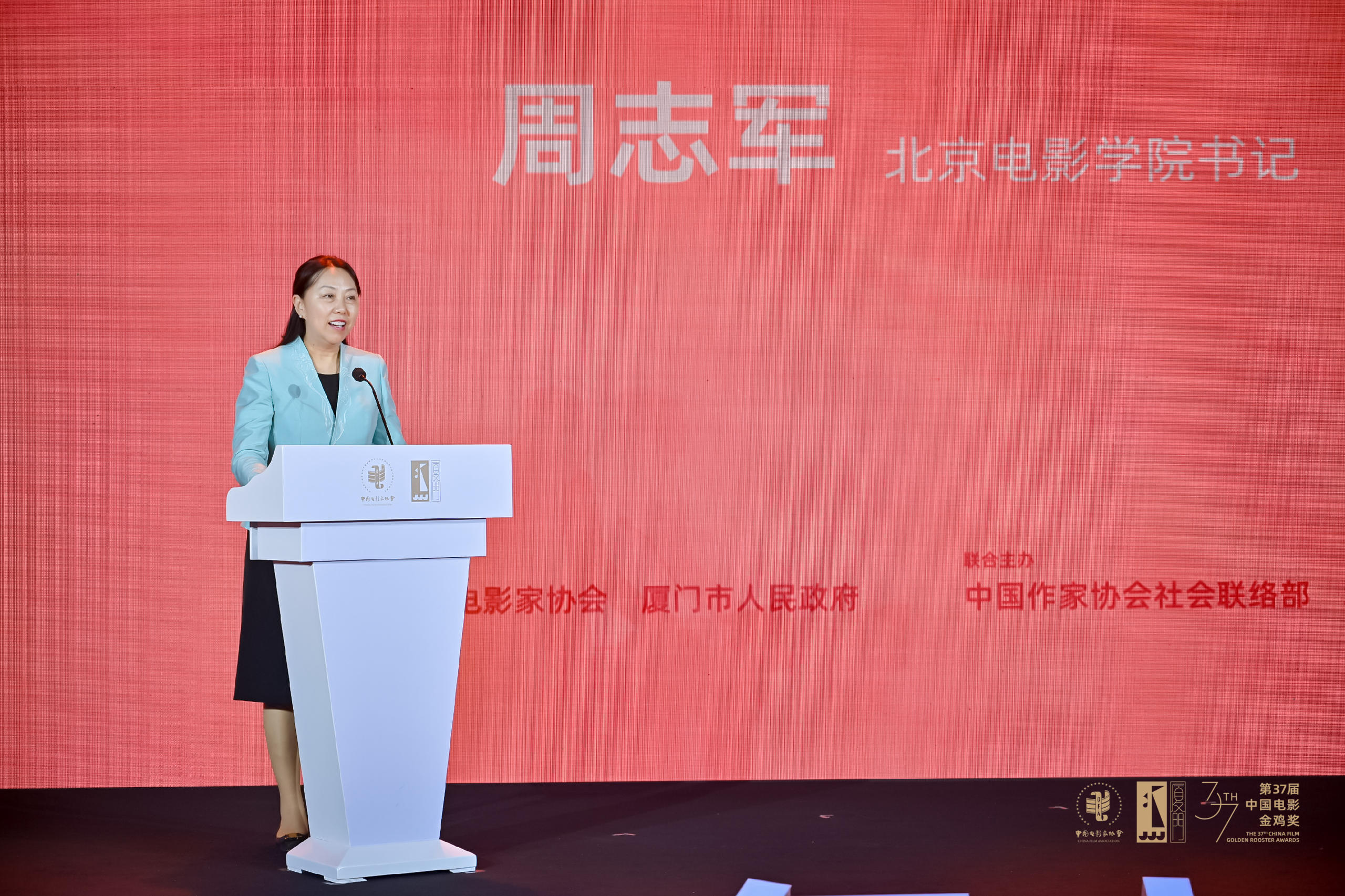
                                                                                                      Zhou Zhijun, Party Secretary of the Beijing Film Academy


In his address, Zhou Zhijun said that the launch of the “Literature and Film Co-Creation Program” at the 2024 China Golden Rooster & Hundred Flowers Film Festival was made possible by the China Writers Association’s support in providing 100 works entered for the Lu Xun Literary Prize and award-winning works from Selected Fiction, and by the professional and efficient organization and planning of the Golden Rooster Film Festival Organizing Committee of the China Film Association. He expressed confidence that all parties will draw on their strengths so that literature and film empower each other and work together to produce both talent and works.


The literature forum had three main parts: the “Literature and Film Co-Creation Program” work announcement, the “Literature and Film Co-Creation Program” project presentations, and a roundtable.


In the “Literature and Film Co-Creation Program” work announcement session, Li Xiuwen officially announced the eight selected works: No One Here, Moonlit Grassland, Nuo Opera, Riding a Goose in Deep Winter, Presidential Suite, Rebecca, Old Fragrance and He Xiuzhu’s Battle with Life (in no particular order).


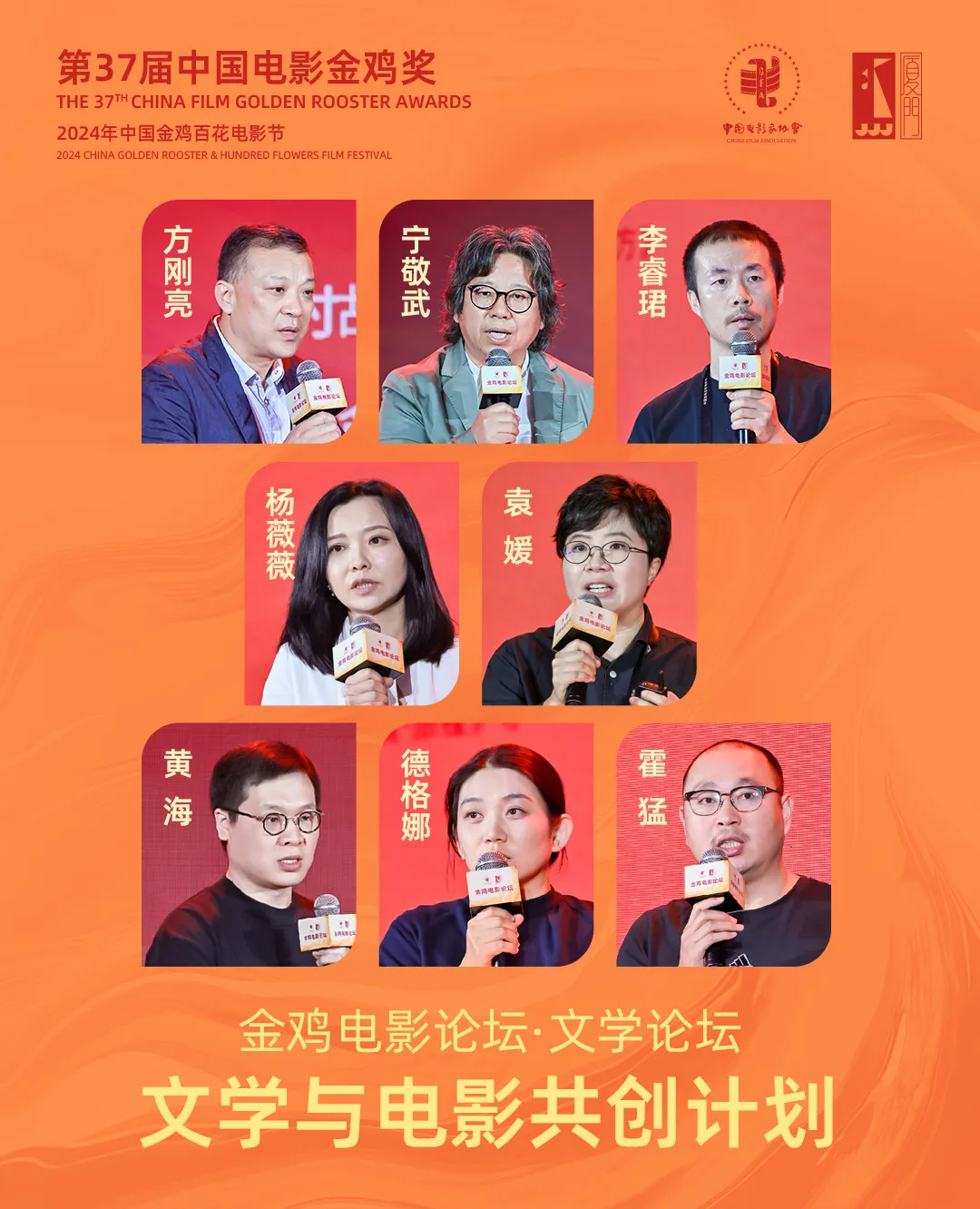
In the “Literature and Film Co-Creation Program” project presentation session, eight directors and screenwriters took the stage in turn to introduce the works they recommended, and shared their adaptation ideas and directions for innovation from a professional perspective.


Director and screenwriter Fang Gangliang presented No One Here by writer Fu Xing, stressing the importance of genre-based creation for film narrative and calling for the use of film techniques to sharpen the real-life conflicts in literary works, to make them more watchable and attractive to the market. Director and screenwriter Ning Jingwu presented Moonlit Grassland by writer Yang Fang and, in light of the practical challenges facing the film industry, analyzed in depth the literary value of the work and its potential for adaptation. Director and screenwriter Li Ruijun presented Nuo Opera by writer Chen Xiayu, praising the work’s close attention to rural realities and urbanization and its portrayal of the distinctive appeal of rural culture and its contradictions and tensions in the face of modernization. Screenwriter Yang Weiwei presented Riding a Goose in Deep Winter by writer Zheng Peng, proposing that visual storytelling should value diverse expression, focus on combining emotional depth and cultural content, and explore innovative forms of expression. Director and screenwriter Yuan Yuan presented Presidential Suite by writer Lily Chen. Taking a realist perspective of social concern, she said visual creation should integrate deeply with society and culture, while also attending to how a work stirs the audience’s emotions and prompts reflection. Screenwriter Huang Hai presented Rebecca by writer Yang Zhihan, analyzing the combination of visual language and visual design and stressing that visual expression needs to be both aesthetically pleasing and narratively functional in order to convey the core of the work precisely. Director Degena presented Old Fragrance by writer Lin Xiaoling, advocating that visual creation should balance the local and the universal, using film as a medium to promote exchange and understanding among diverse cultures. Director and screenwriter Huo Meng presented He Xiuzhu’s Battle with Life by writer Liu Ting, stressing the importance of local subject matter in visual storytelling, and noting that creators need to balance market demand and audience expectations while staying committed to artistic expression.


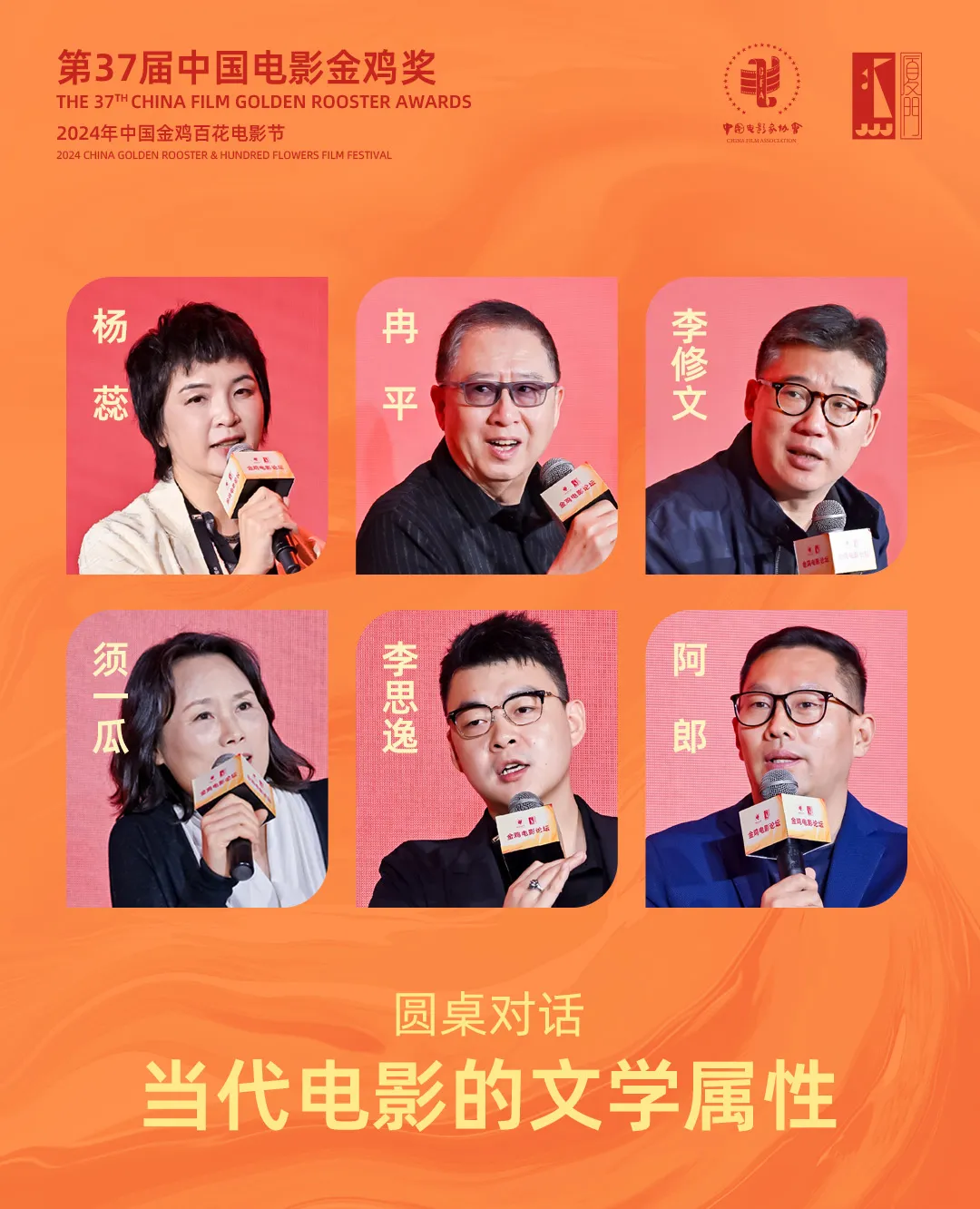
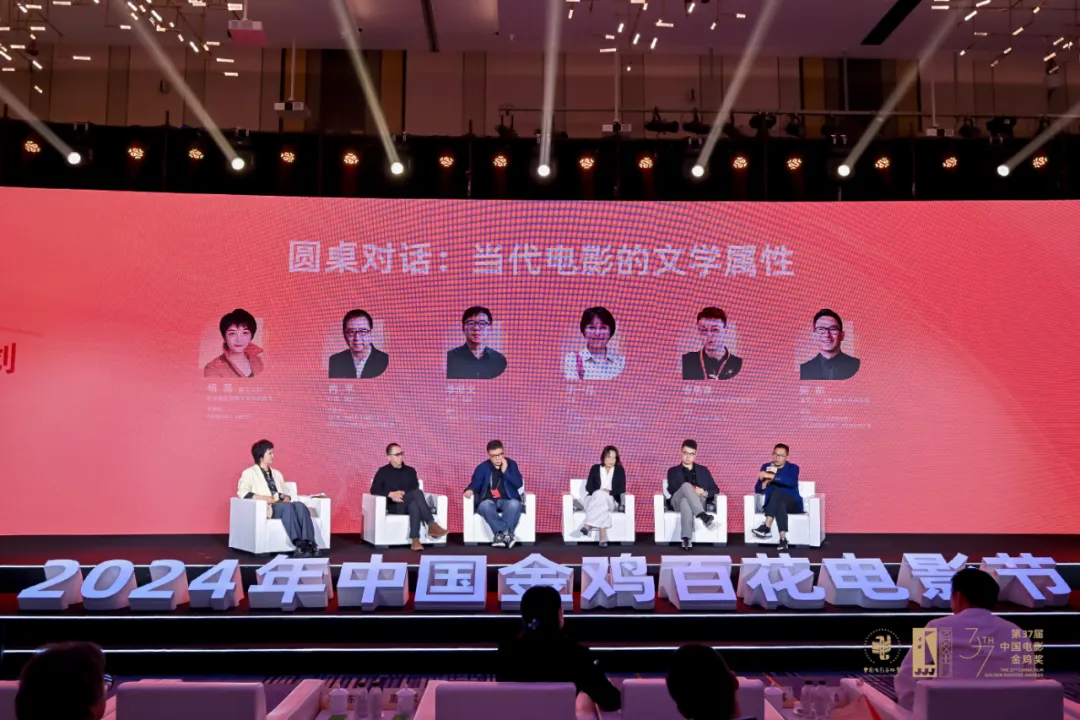
The final roundtable was moderated by Yang Rui, associate professor in the Department of Literature of the Beijing Film Academy. The participants were writer and screenwriter Ran Ping; writer and screenwriter Li Xiuwen; writer Xu Yigua; Li Siyi, lecturer in the Department of Chinese and History at City University of Hong Kong; and film critic A Lang, editor-in-chief of Movie View magazine.


The dialogue centered on “The Literary Nature of Contemporary Film”. Screenwriter Ran Ping drew on his own creative experience to review how film has shifted from simple storytelling to the pursuit of deeper values, saying that literary quality gives film not only narrative depth but also a soul closely connected to real society. Writer Li Xiuwen said that literary quality is not a fixed concept but a mode of expression that keeps evolving across eras, and that the shift from plot to detail is something filmmakers can learn from. Writer Xu Yigua used the adaptation of The Vegetarian, a novel by Nobel Prize in Literature laureate Han Kang, to show how literature provides fertile ground for in-depth film creation. Scholar Li Siyi explained the two-way relationship between literature and film from a historical perspective, noting that literary quality in film is not a simple translation of a literary work, but a deconstruction and enrichment of the original’s meaning through the language of film. Film critic A Lang, starting from current problems in the development of the film industry, said frankly that the industry faces a bottleneck in genre storytelling, and literary quality can bring it new vitality.

                                                                                           – Roundtable at the Literature Forum –

From film to literature and from literature to film, the dialogue continues. In the future, more works will leave lasting marks of the era where literature and film meet.

Golden Rooster Film Forum