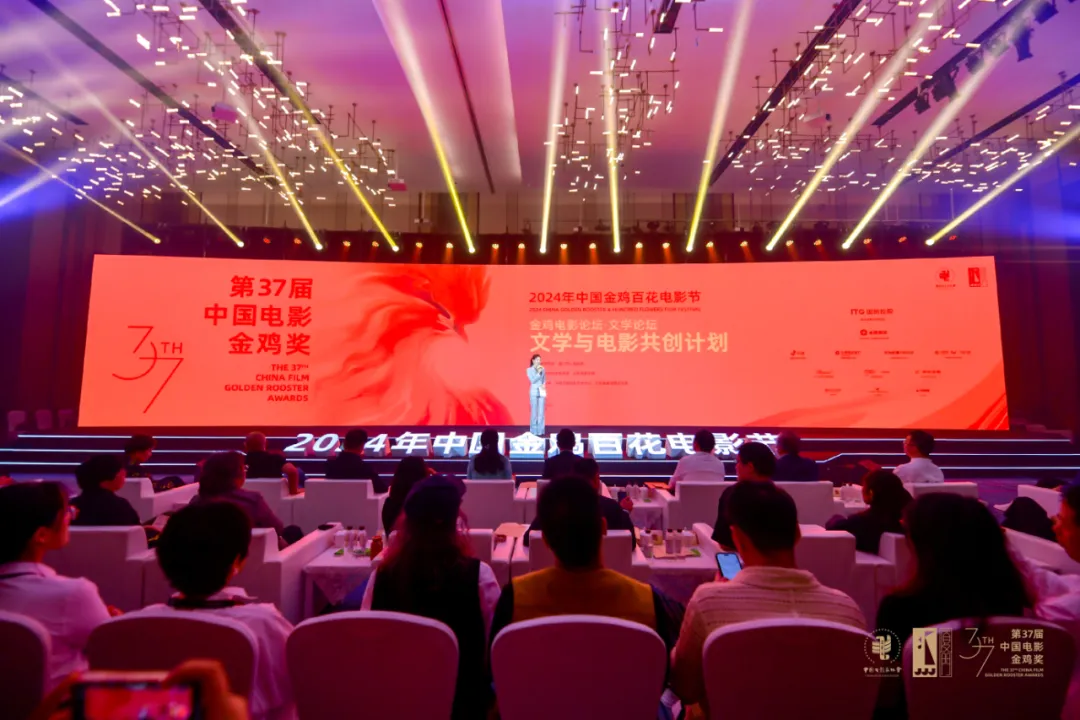
Academic Summit: Changing Times and Opportunities for Film
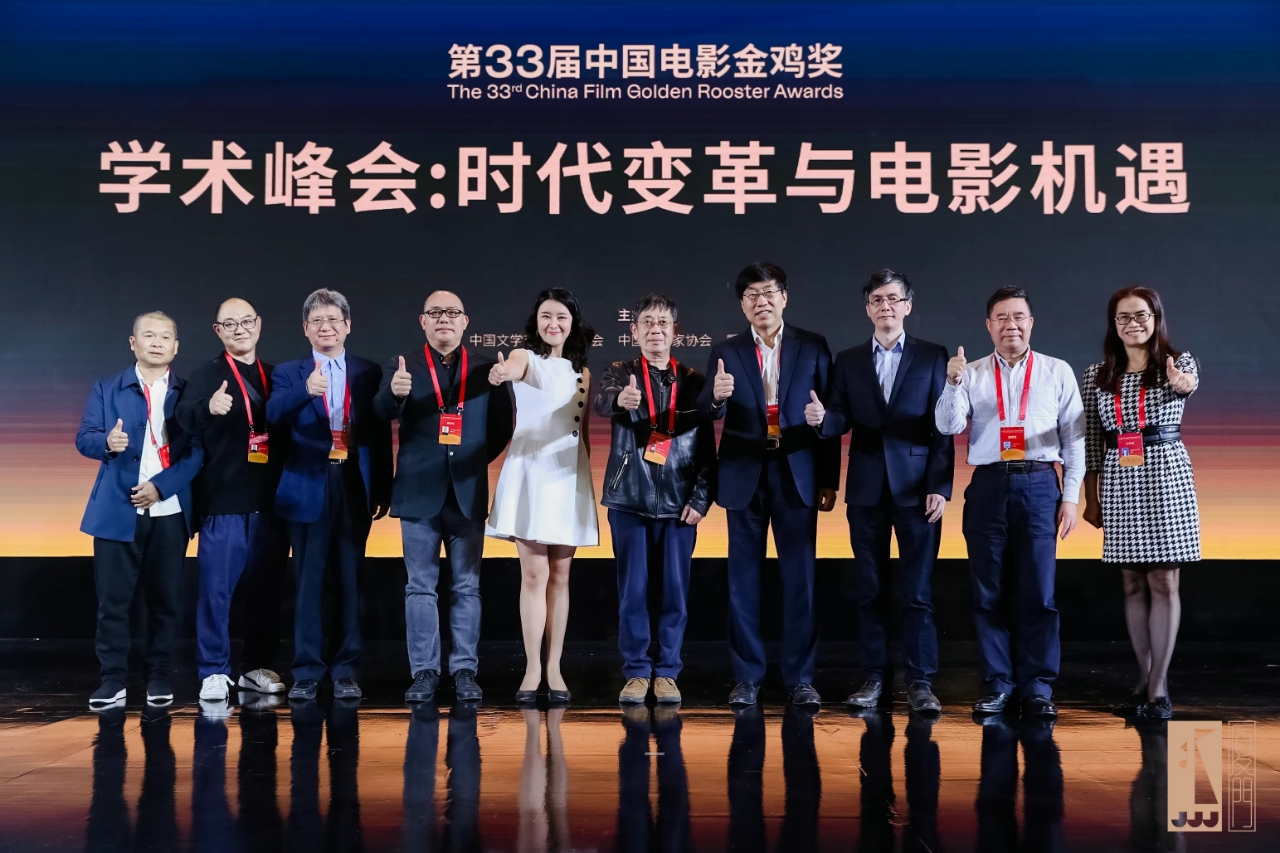
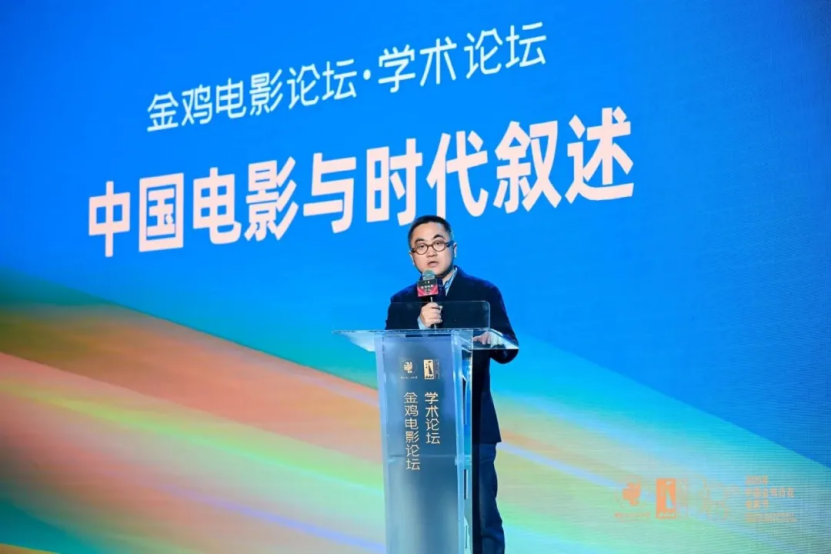
On the afternoon of November 27, 2020, the Academic Summit, part of the events for the 33rd China Golden Rooster Awards ceremony, was held in Xiamen, Fujian Province. The summit was hosted by the China Federation of Literary and Art Circles, the China Film Association and the Xiamen Municipal People’s Government, and moderated by Wang Dan, director of the Film Industry Research Division of the Film Art Center of the China Federation of Literary and Art Circles. The forum had three parts: keynote speeches, guest speeches on the creative sub-topic, and guest speeches on the industry sub-topic. Huangfu Yichuan, research fellow at the China Film Art Research Center and editor-in-chief of Contemporary Cinema, moderated the creative sub-topic “New Mainstream, New Aesthetics, New Phenomena”. Tan Zheng, research fellow at the Film Art Center of the China Federation of Literary and Art Circles and editor-in-chief of Film Art, moderated the industry sub-topic “New Technology, New Media, New Industry”.
The experts and scholars held lively discussions on the theme “Changing Times and Opportunities for Film”, exploring how Chinese cinema, having gone through changing times and hardship, can seek development and opportunities amid change, and offering suggestions for its progress.
I. A Film Plan for Building a Leading Country in Culture
The Fifth Plenary Session of the 19th CPC Central Committee adopted the Proposals of the CPC Central Committee for Formulating the 14th Five-Year Plan for Economic and Social Development and Long-Range Objectives Through the Year 2035 (hereinafter the Proposals). The Proposals state clearly that China will “become a leading country in culture by 2035”, and devote a dedicated section to “promoting the development of cultural programs and the cultural industry and enhancing the country’s cultural soft power”. How to build a leading country in culture on schedule became a topic of wide discussion among the scholars.
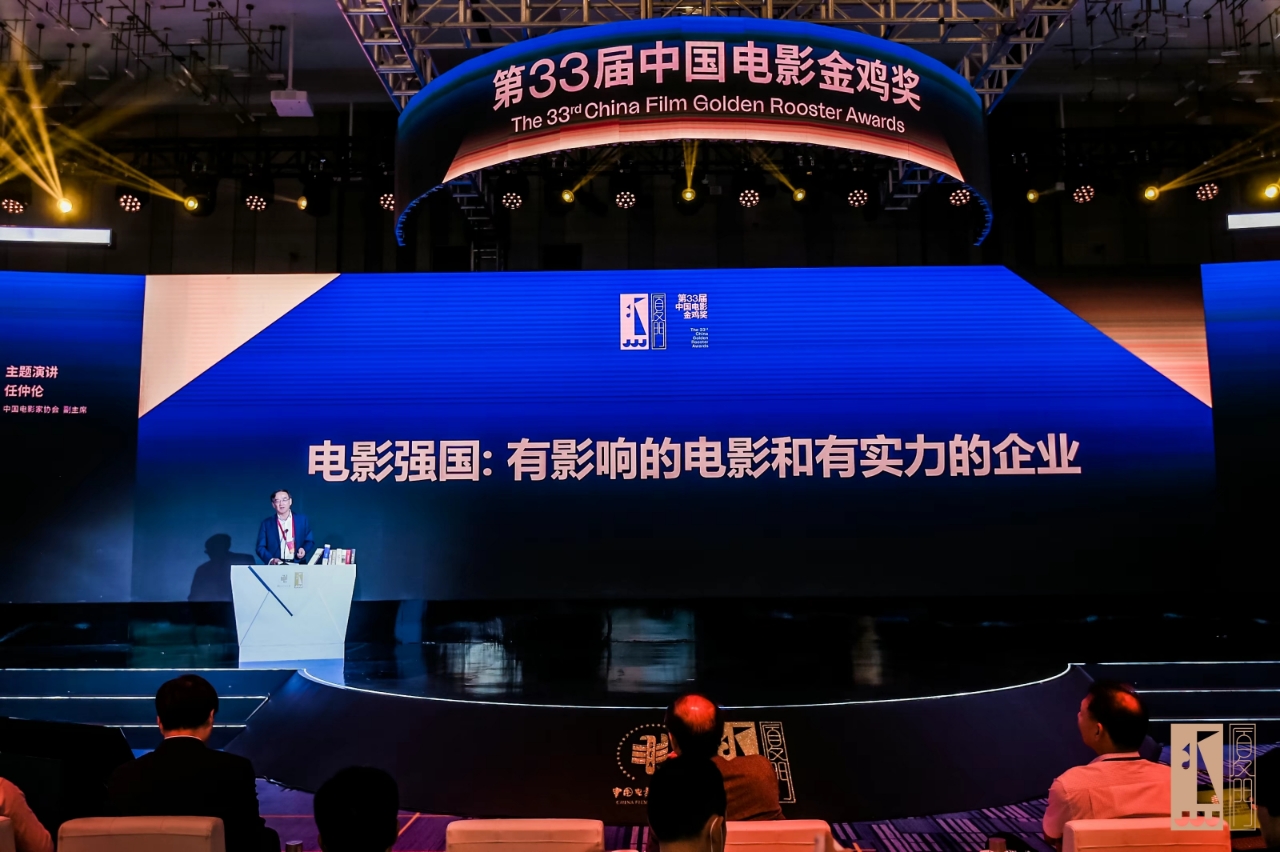
Ren Zhonglun, vice chairman of the China Film Association, gave a keynote speech titled “A Leading Film Power: Influential Films and Strong Enterprises”, stressing that building a leading country in culture requires first building a leading film power. This means, first, creating influential, high-quality films, the core expression of a film power; and second, building strong enterprises, its mainstay. Lu Shaoyang, dean and professor of the School of Journalism and Communication at Peking University, gave an in-depth reading of “The Proposals’ New Requirements for Film Creation”, summarizing them in four key terms: 2035, a leading country in culture, implementing the project to improve the quality of literary and artistic works, and strengthening the creation and production of works on realistic subjects. Lu Shaoyang said the three indicators of “a leading country in culture” are a further rise in cultural soft power, the unleashing of society-wide capacity for innovation, and a marked expansion of the cultural industry. On the methodology for strengthening the creation and production of realistic subjects, he stressed using the Marxist stand, viewpoint and method, especially materialist dialectics, to address problems; gaining a deeper understanding of the times; and expressing the spirit of reform and innovation in films. In his comments, Huangfu Yichuan summed up the core of the Proposals as “innovation”: during the 14th Five-Year Plan period, film should create quality works through innovation and achieve high-quality development.
In his keynote speech “Facing Change, Meeting Challenges: The Development of Chinese Cinema During the 14th Five-Year Plan Period”, Yin Hong, vice chairman of the China Film Association and professor at Tsinghua University, said that a strong country makes for strong cinema, and strong cinema makes for a strong country. In response to five major changes the film industry faces in its international, economic, media, consumer and technological environments, he proposed strategies in seven areas. For the film industry system: regulate the market, optimize the structure, improve both social and economic returns, and enhance competitiveness. For the supply system: keep output stable while improving quality, and resolve the gap between quality content and audience demand. For the market system: develop cinemas and other release windows in coordination, and raise the value of film copyrights. For the production system: improve the industrial system and support technological innovation. For the creative system: broaden subject matter, update ideas, stay rooted in audiences and respond to the times. For the product system: strengthen “top-tier” films and enrich products for different audience segments and needs. For the consumption system: build on the domestic cycle and work toward dual circulation. Yin Hong said the key issues for the future of film are: continuing to emancipate the mind and to pursue reform and opening up; improving industry rules, norms and standards; seeking cooperation through competition and mutual benefit through consultation across the whole industry chain; leading enterprises taking on responsibility; and the film industry moving toward a broader film industry, in which the industrial system is the foundation of the sector and the growth of talent is its future.
II. Creative Approaches of New Mainstream Films
The concept of “new mainstream film” was proposed at the start of the 21st century. In recent years, with the box-office success of films such as The Taking of Tiger Mountain (2014), Operation Mekong (2016), Wolf Warrior 2 (2017), Operation Red Sea (2018), The Wandering Earth (2019), My People, My Country (2019) and My People, My Homeland (2020), “new mainstream film” has drawn wide attention as a successor to the main-melody film: a new film form, creative approach and distinct aesthetic phenomenon. At the summit, scholars presented in-depth academic reflections on new mainstream film and exchanged views.
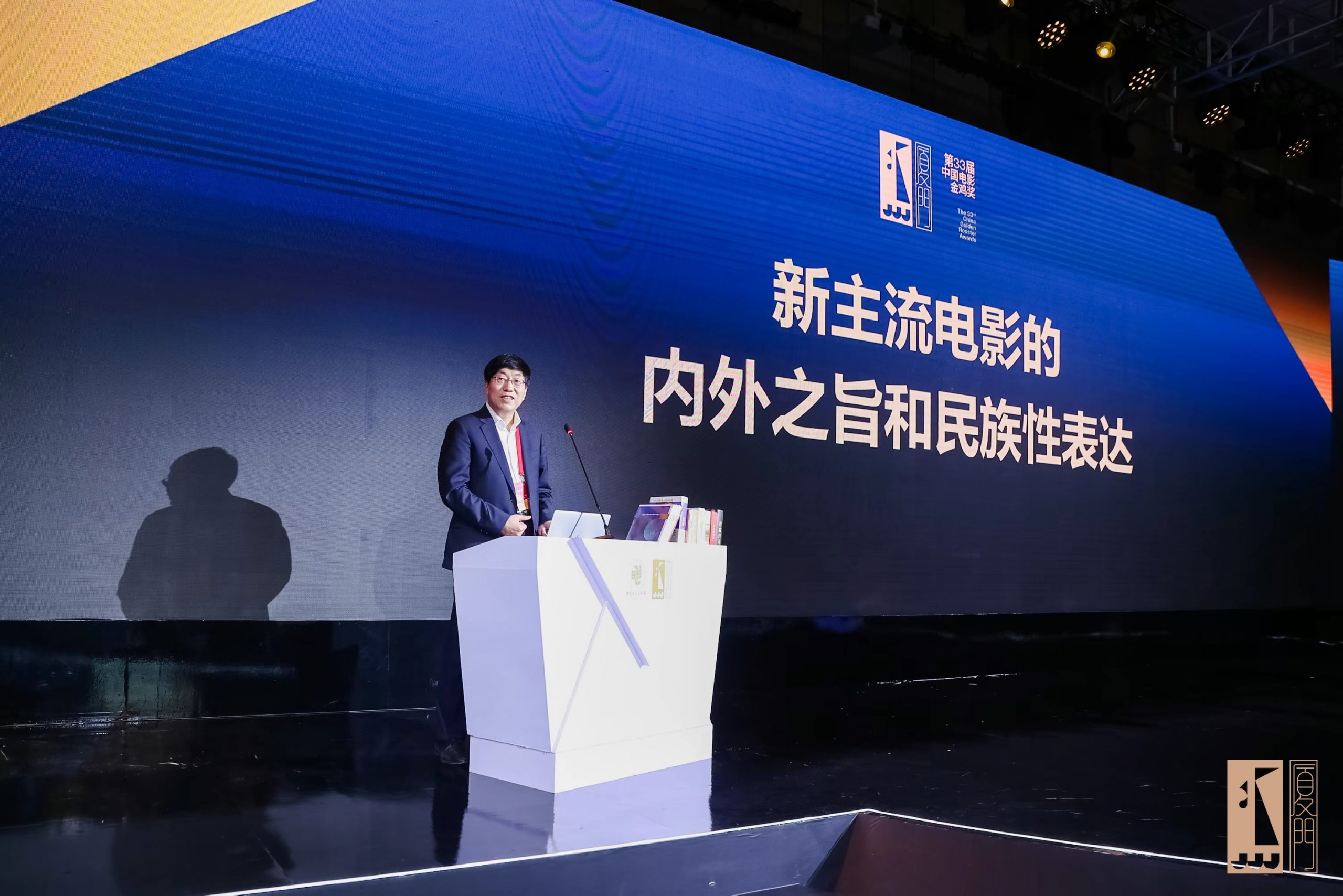
Ding Yaping, director and research fellow of the Institute of Film and Television at the Chinese National Academy of Arts, analyzed “The Inner and Outer Purposes and National Expression of New Mainstream Films”. First, Ding Yaping explained the inner and outer purposes of new mainstream films. Inwardly, toward a spiritual home, new mainstream films use the development of the story and the shaping of characters to draw viewers into an individual sense of home, thus aligning family and nation; they build the relationship between individual and nation on an equal footing, and the integration of family and national narratives raises audience emotion to value identification at the national level. Outwardly, in terms of genre narrative strategy, new mainstream films respond to the viewing needs of internet-native audiences with highly deliberate genre storytelling, connecting closely with today’s online context in plotting, visual design, marketing and distribution. Ding Yaping then analyzed the national expression of new mainstream films: they seek to draw on the deep cultural heritage and fine cultural genes of the nation, building a memory of the times marked by Chinese people, Chinese narratives and Chinese discourse. While telling contemporary stories, reflecting real life and showing the emotions of ordinary people, they pursue a deeper expression of national culture, giving them an aesthetic character different from earlier main-melody films and constructing an imagined national community.
Li Zhenlin, dean and professor of the School of Film and Television at Shanghai Theatre Academy, spoke on “New Era, New Phenomena, New Paths”, offering insights into the further development of new mainstream films from three “new” angles. The first is the new era. The Proposals for the first time call for “integrating the meeting of the people’s cultural needs with the strengthening of the people’s spiritual power”; he considered that the phrase “strengthening the people’s spiritual power” makes “social benefit” more concrete. The second is new phenomena. The aesthetic phenomenon of “overdoing it” in filmmaking stems from excessive information, simple stories told in complicated ways, and directors’ personalized and extreme ideas and aesthetics. The third is new paths. New audiences show “four major changes”: from elite intellectuals to the whole public being “in the know”; from a social gap to a generation gap; from information asymmetry to symmetry; and from low frequency to high frequency. On this basis, Li Zhenlin proposed, from a humanistic perspective, “four discoveries” through which film progressively advances: the discovery of truth, of moral right and wrong, of the necessary laws of society, and of human value.
The creation of “new mainstream films” keeps expanding in subject matter and genre, and scholars discussed the newly emerging poverty-alleviation films and science fiction films in turn. In “The Chineseness of Poverty-Alleviation Films in the New Era”, Chen Xihe, professor at the Shanghai Film Academy of Shanghai University, sought to set out, within a broader cultural map, the contemporary Chinese cultural and aesthetic content of poverty-alleviation films. The first is ideological Chineseness. Poverty-alleviation films serve the new vision of the new era for building a moderately prosperous society, depict the new socialist countryside, and present a positive and progressive national image, reflecting the will of the state. The second is Chineseness in story structure. Focusing on lifting people out of poverty through production, these films use clear, vivid and accessible visual storytelling to portray the new farmers of the new era and depict the grand picture of the “Chinese Dream”, in which people at every level work together for a prosperous country. The third is Chineseness in visual style. Poverty-alleviation films continue the visual style of socialist realism, imbued with the idealism and optimism of laudatory comedy, and with their Chinese characteristics they enrich the creative practice of the “Chinese School of Film”. Li Bin, associate professor in the Department of Film Studies at the Beijing Film Academy, discussed “The ‘Ten Measures on Science Fiction’ and the Creation of Chinese Science Fiction Films”. In August 2020, the China Film Administration and the China Association for Science and Technology issued the Several Opinions on Promoting the Development of Science Fiction Films, known as the “Ten Measures on Science Fiction”, which led to a surge in science fiction filmmaking and discussion. On how to make high-level hard science fiction films, Li Bin said, first, that adapting science fiction novels for the screen must achieve an effective transfer between two art forms, and the core of a science fiction film is still story, people and emotion, with visual spectacle only supporting the emotional experience; and second, that the core of science fiction film is science, including solid scientific knowledge and a rigorous scientific approach to creation, so a director should be a scientist as well as an artist.
The scholars agreed that new mainstream films have achieved a unity of mainstream values and commercial genre filmmaking, and they raised questions for further discussion: what will be “new” about new mainstream films in the future? How can they express national culture more skillfully? How can they gain influence worldwide?
III. Strategies for the Post-Pandemic Era
In 2020, Chinese cinema came to a halt for 180 days because of the pandemic, facing unprecedented difficulties and challenges, and the scholars’ exchanges focused on the development of the film industry in the post-pandemic era. From the impact of the pandemic to the Chinese experience and Chinese value in reopening film production and the market, from the difficulties of film companies to paths of innovation for the industry, and from the major changes in the film sector to new thinking on film aesthetics, the scholars explored from different angles how film can regain its success and embark on a new journey.
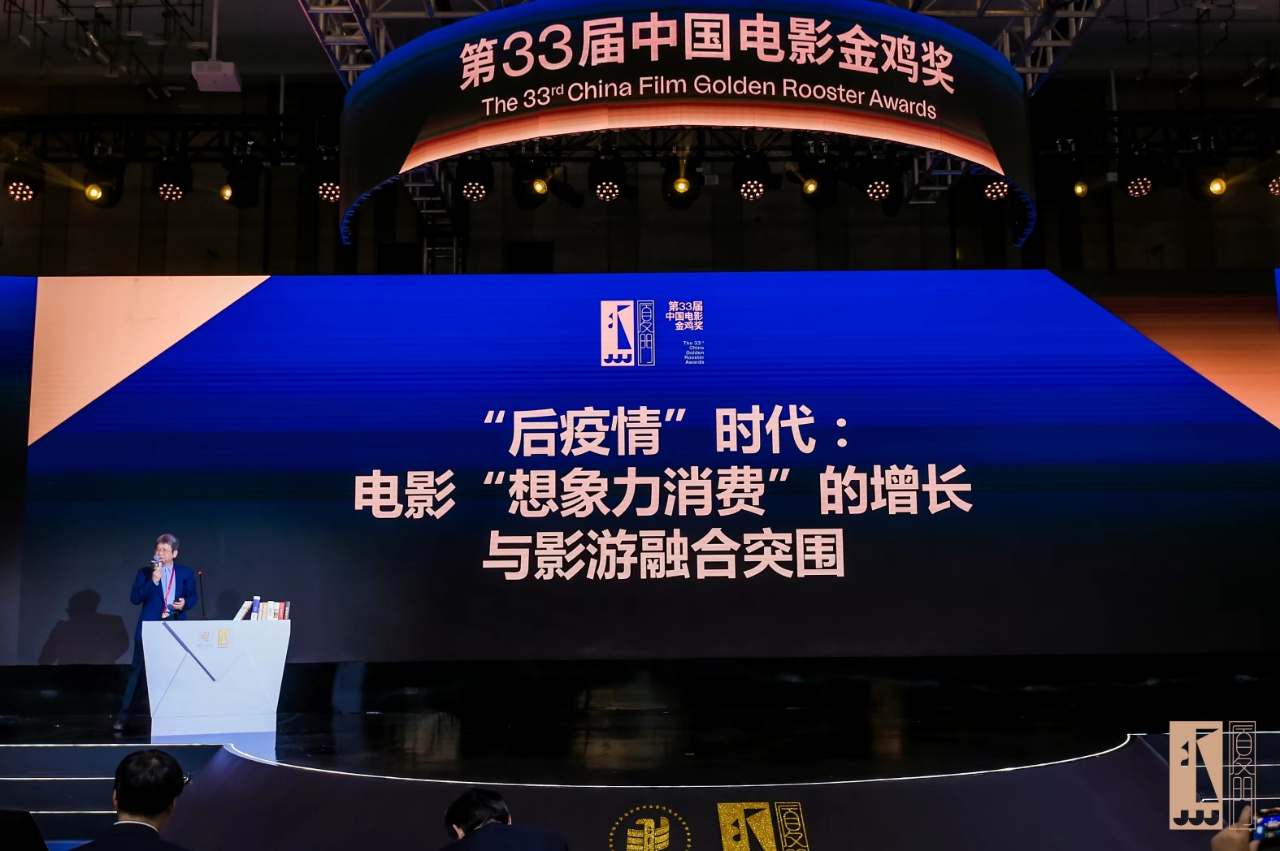
In his speech “The Post-Pandemic Era: Growth in Imagination Consumption and the Convergence of Film and Games”, Chen Xuguang, director of the Film, Television and Theatre Research Center and professor at the School of Arts of Peking University, summarized the impact of the pandemic on the film industry and the film ecosystem: the industry has embraced the internet more closely; audiences have changed greatly in psychology, lifestyle and outlook, preferring to stay at home and play games; and film investment and international cooperation have been hindered. How can film regain its success in the post-pandemic era? Chen Xuguang called for continuing to create realist mainstream films while responding to changes in audiences’ aesthetic psychology and the sharp rise in demand for imagination consumption, by developing forms such as film-game convergence, fantasy film and television including science fiction, xuanhuan and magic fantasy, disaster-themed web series, VR, and interactive film and television.
Wang Zhimin, professor in the Department of Film Studies at the Beijing Film Academy, shared his “Reflections on New Technological Change, Post-Pandemic Challenges and Opportunities, and the Role of Film Aesthetics”. He said that today’s major global changes, the new technological revolution and the pandemic have had a huge impact, and the film industry now shows a three-way division among cinema films, home films and portable films in fierce competition; the urgent task is therefore to build their respective technology platforms and sound revenue models. To help build a leading film power, film aesthetics needs new thinking in three areas: creative expression, the support of expression, and the transmission of expression. In particular, it must study the support system for expression, which is highly complex and very challenging for researchers; this is the fundamental task of film aesthetics research.
Liu Fan, associate research fellow in the Department of Film and Television at the Chinese National Academy of Arts, drew on his ongoing tracking and research of production companies in recent years to analyze “Changes in the Production Industry Under External Factors”. Because of the pandemic in 2020 and the lasting effects of the 2018 film and television financing downturn, China’s film production industry has been hit hard and shows new characteristics: a strong Matthew effect among “top-tier” blockbusters, a severe shortage of “mid-tier” genre films, and too few small and medium-budget films; mainstream films led by state-owned enterprises are of mixed quality, while new mainstream films remain a market focus; state-owned enterprises need to innovate on the basis of upholding fundamentals, and private enterprises need to uphold fundamentals on the basis of innovation; delisted companies are giving rise to a “2.0 version” of listed companies; post-production companies are affected by competition from game companies and a decline in upstream projects; and online non-film entertainment content is booming and becoming a strong substitute for film.
Zhi Feina, senior editor at the Institute of Film and Television of the Chinese National Academy of Arts, reviewed the year of fighting the pandemic and recovering, and gave a comprehensive summary of “The Experience, Value, Strengths and Path Choices of Chinese Cinema in 2020”. Zhi Feina said the main elements of China’s experience in reopening production and the market were: strategically, following and serving the overall situation; tactically, deploying resources well and handling the production, promotion and release of key films in important release windows; and favorable conditions such as effective domestic pandemic control. In the reopening, Chinese cinema showed multiple kinds of Chinese value: the governance measures adopted since the China Film Administration was placed under its new authority are in line with the direction and laws of the industry; the resilience and innovative capacity of Chinese cinema were tested in a “high-pressure sealed chamber”; demand for film consumption is strong; and the early recovery of the Chinese market has provided a model and confidence for the world film market. In the “post-2020” era, film should make full use of “China’s strengths” in national development, institutions, market and technology, “nurturing vitality with confidence and activating the future with innovation”, with innovation mainly along five paths: ideas, policy, business models, technology and ecosystem.
IV. Directions for Film Technology
Film technology is developing rapidly, and how technology can empower the development of the film industry was another frontier topic of close concern to the scholars.
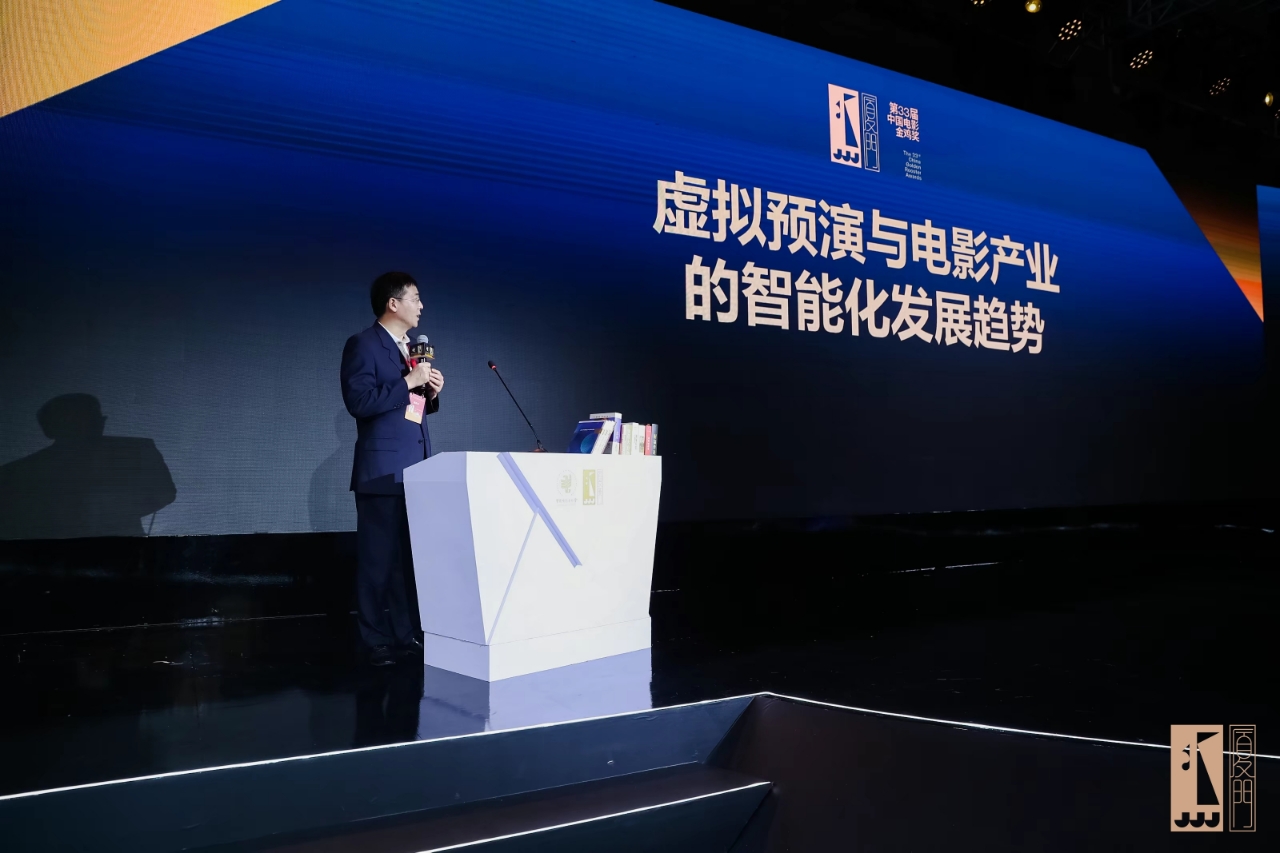
Liu Jun, director of the Research Office of the Beijing Film Academy, deputy director of the “Future Imaging” Advanced Innovation Center and research fellow, gave a speech titled “Virtual Previsualization and the Trend Toward Intelligent Development of the Film Industry”. Liu Jun first showed virtual previs shots and introduced the key technologies behind them: applied technologies such as interactive scene modeling, rapid reconstruction of human models and performance cloning; general development platforms such as a scene fusion modeling platform, an interactive virtual rehearsal platform and a camera equipment simulation platform; and a virtual previs asset library platform, among others. Liu Jun said that virtual previs has broad prospects because it greatly reduces production time, raises efficiency and saves budgets; it will drive the intelligent upgrading of filmmaking technology and, in turn, of the film industry. Film previs will evolve into the controller and operator of intelligent platforms, strengthen user interaction and user loyalty, and become a leader in the industry.
Liu Hanwen, professor at the School of Communication of Fujian Normal University, focused on the latest developments in 5G technology and argued that “5G technology is an important force for the high-quality development of film”. With technical features such as “high speed, low latency and large capacity”, 5G will promote the production of films in advanced high-tech formats, virtual reality films, online films and interactive films; promote multi-channel film distribution and exhibition; promote the building of intelligent smart cinemas; and promote the transformation and upgrading of film and television bases. In response to the changes brought by 5G, Liu Hanwen proposed several strategies: strengthening top-level design and planning for new needs, applications and business models during the 14th Five-Year Plan period; strengthening cooperation with research institutions in telecommunications to tackle frontier 5G and 6G technologies; establishing standard systems for 5G channels, interfaces, security and applications; and coordinating screening across multiple devices.