Women’s Cinema Forum: Challenges and Dreams
On November 26, 2020, the Women’s Cinema Forum of the 33rd Golden Rooster Awards, themed “Women’s Cinema: Challenges and Dreams”, was held in Xiamen. The forum was hosted by Sun Media Group and the China Society for World Cinema, organized by Xiamen Wenguang Exhibition Co., Ltd. and Beijing Yangguang Xinsheng Media Co., Ltd., with exclusive support from Gongli Medical Supplies.
The forum brought together a number of leading figures from film and television. Ding Yaping, Director of the Film and Television Art Research Institute of the Chinese National Academy of Arts; Li Yaping, CEO of Aimei Film; noted director and screenwriter Dong Runnian; and others shared their views. The forum focused on films about women and the growth of women filmmakers, so that women can speak freely in the fertile ground of cinema.
“Sister” Yang Lan: Women’s power has become a social trend
“Today our theme is challenges and dreams. I think ‘challenges’ has two meanings. Women filmmakers may meet bottlenecks and difficulties as they grow and create. The other challenge is that 2020 has been an exceptional year, in which the whole film and television industry has faced severe difficulties.”
As moderator, Yang Lan explained the forum theme “Women’s Cinema: Challenges and Dreams” to participants. On dreams, she said: “This year the word ‘sister’ has gone from a form of address to a form of women’s power, an awakening of consciousness and a topic of public attention, a trend across society.”

As Yang Lan said, women-themed variety shows and TV dramas produced many hits in 2020, bringing audience attention to women’s issues to a new high. Seeing many male guests at the forum, Yang Lan humorously asked the men to stand and receive applause and a welcome from the women guests. “Thank you! You are the critical minority. I really don’t want to end up with a group of women talking about women’s matters behind closed doors. I think women should have a broad outlook and vision.”
“Directors Guild President” Li Shaohong: Women should have more courage to create from a female perspective
Director Li Shaohong, who has directed several women-centered films including Bloody Morning and Blush, said in her speech: “In the 1990s I went to many international film festivals, and the question I was asked most was how many women directors there were in China. I wondered why people didn’t ask about my films but kept asking about women directors. I thought about it carefully, and there were in fact quite a few women directors in China. At Beijing Film Studio alone, a rough count gave more than 20 active women directors, and Shanghai Film Studio had many as well. People in the audience were very surprised. Only then did I learn that women directors were very rare around the world.”
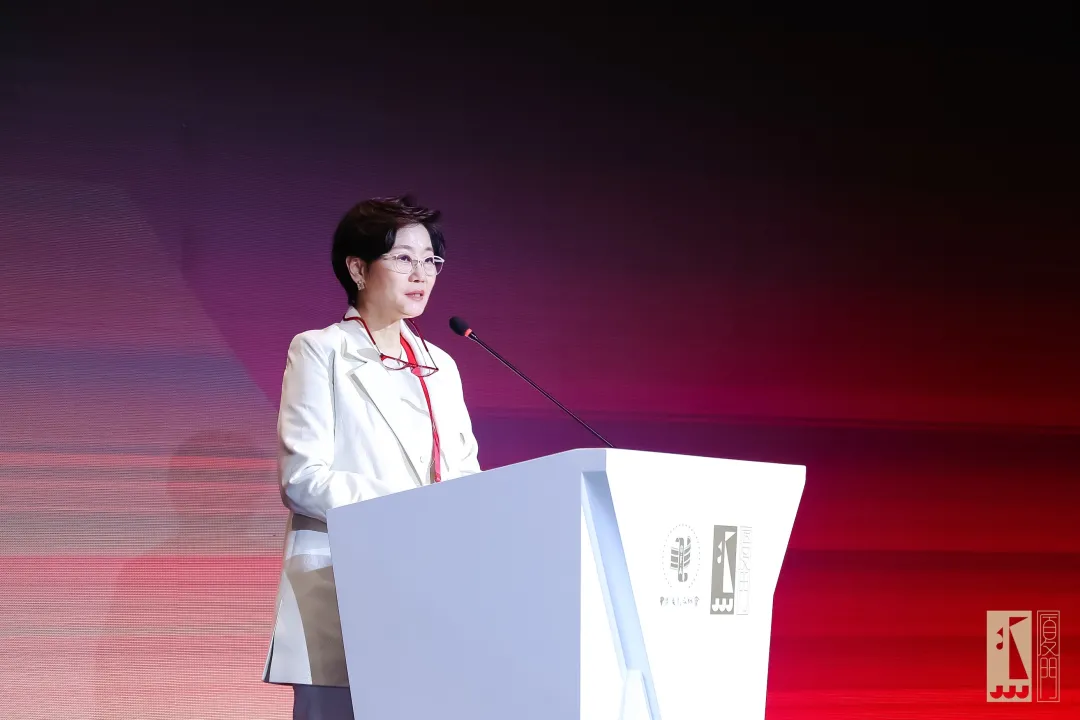
In 1995, when she was shooting Blush and everything was ready, Li Shaohong suddenly broke away from her original idea and shut herself in her room for eight days. Blush later won an award in Berlin. Recalling this, Li Shaohong said: “I was changing. I was gradually moving from an unconscious to a conscious female perspective in my work, and I felt I should have more courage to tell stories from the perspective of my gender. Not only because I am a woman filmmaker; I think women’s subjects and women creators should be organically combined.”
On challenges, Li Shaohong said: “The pandemic gave us a very different experience. For those of us who create, it was our best experience, and sooner or later we will record it and leave it to history. I don’t think the first half of the year was wasted. In the second half there were actually more creative opportunities. I shot three productions in a row in the second half of this year.”
Ding Yaping: Women’s cinema, who speaks in your name?
Ding Yaping, Director of the Film and Television Art Research Institute of the Chinese National Academy of Arts, gave a keynote speech at the forum titled “Women’s cinema, who speaks in your name?”
Defining what women’s cinema is, Ding Yaping said: “The core of so-called women’s cinema is that female images are no longer symbols or labels as in traditional cinema. Women’s cinema represents the way women see the world. It is a form of expression distinct from the male perspective, covering editing, composition, music, rhythm and every other element. As it seeks to influence society with sociological intent and reopens the discussion of sex and gender, the emotional confusion and voicelessness of women that were obscured in male or traditional film narratives gradually come into view.”
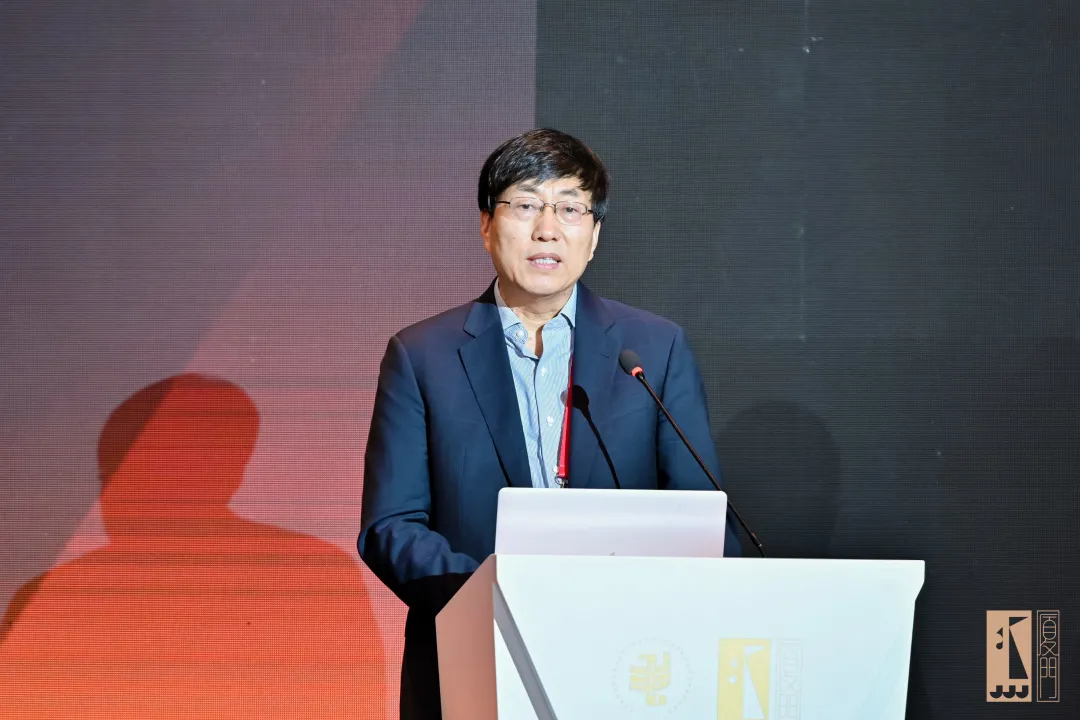
In recent years, more and more films on women’s subjects have reached the screen. Angels Wear White, Spring Tide, The Crossing and others have each, from different angles, depicted the real difficulties women face today. Ding Yaping said: “With women as protagonists, focusing on women’s circumstances and life experiences and depicting their emotions, these works have come into audiences’ view over the past two years, sparking wave after wave of discussion and showing a human warmth in public debate.”
On the nature of women’s cinema, Ding Yaping said: “Many people misunderstand women’s cinema as simply opposing male narratives, believing that women’s cinema and male discourse cannot be reconciled. This mistaking of effect for cause is one of the root reasons women’s cinema has been unable to hold a meaningful dialogue with more people.” At the end of his speech, Ding Yaping expressed the hope that more mature women’s films will appear in the future.
Producer Li Yaping: Besides resisting aging, what else should women resist?
At the forum, Li Yaping, CEO of Aimei Film, producer and presenter, gave a keynote speech titled “Besides resisting aging, what else should women resist?” She recalled the experience of making Spring Tide: “I see this film as a turning point in many years of work. If I have more chances to make films, it is this film that opened another path for me. As its sole investor and production company, with a very small company, spending more than 10 million yuan on such a film was a very emotional decision for me. Spring Tide brought me closer to the creative process than ever before.”
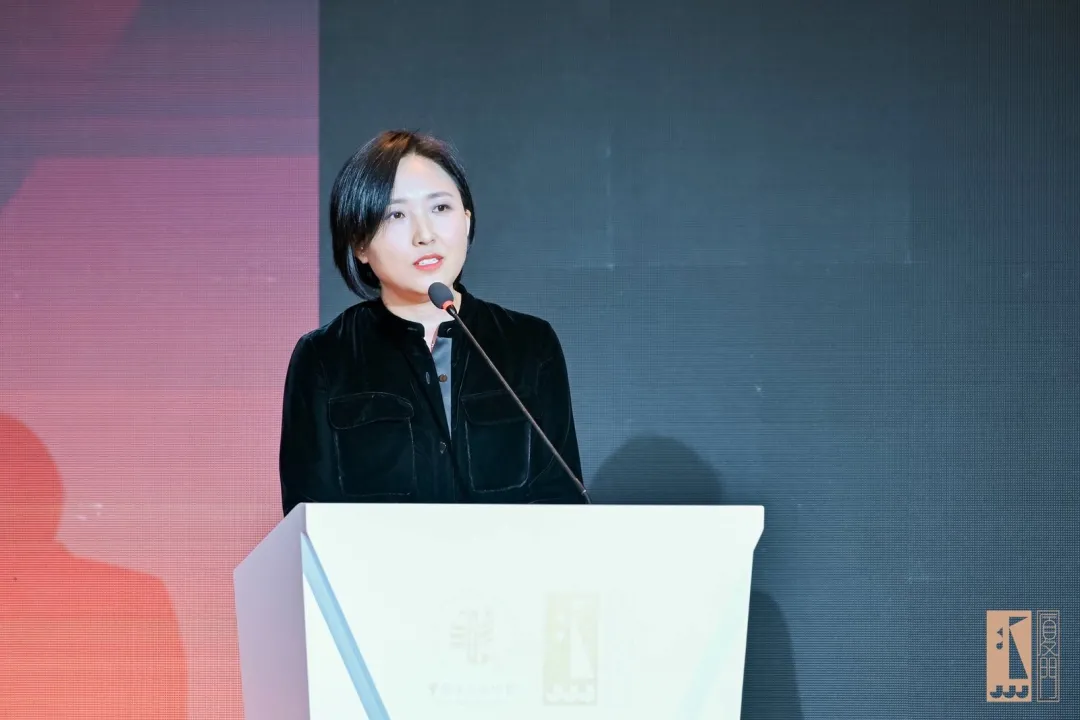
“I want to start as a film producer, start with myself, and learn to resist. What kind of women do we want to be? What kind of women do we want to portray on screen? Beyond labels such as pretty, thin and decorative, what other possibilities do women have?” As a woman producer, a “minority” in the film world, Li Yaping said: “As a woman producer, I sometimes face pressure from all sides. Our strengths are that we are attentive to detail, appear gentle and don’t easily lose our temper. One day I suddenly realized that we may lack some of the rationality found in the male world. If we want to take on more responsibility and do more, we also need to keep our emotions from overwhelming our reason at key moments. This is what I learned as a producer.”
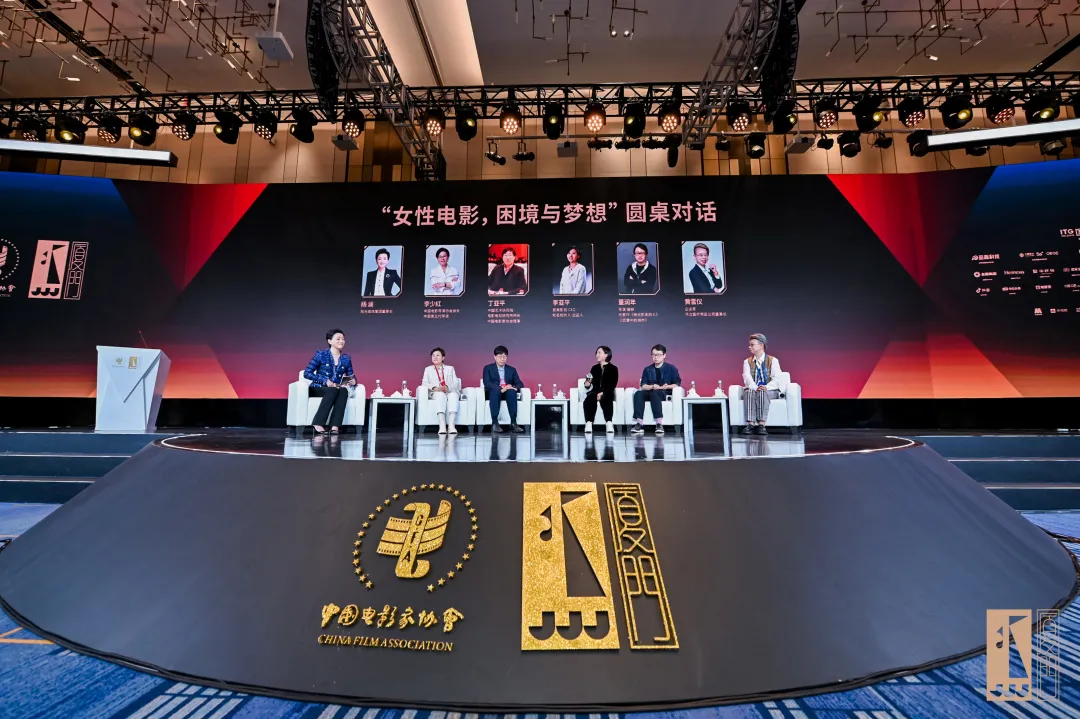
Yang Lan, Li Shaohong, Ding Yaping, Li Yaping, Dong Runnian, Huang Xueyi, Chairman of Gongli Medical, and others also held a round-table discussion on “Women’s Cinema: Challenges and Dreams”.
“Top screenwriter” Dong Runnian: Women’s cinema is not about gender opposition
Noted director and screenwriter Dong Runnian took part in the round-table discussion. In recent years he wrote the screenplays for box office hits such as Breakup Buddies and Mr. Six, and after moving into directing he has directed films including Lost in Love and Cities in Love.
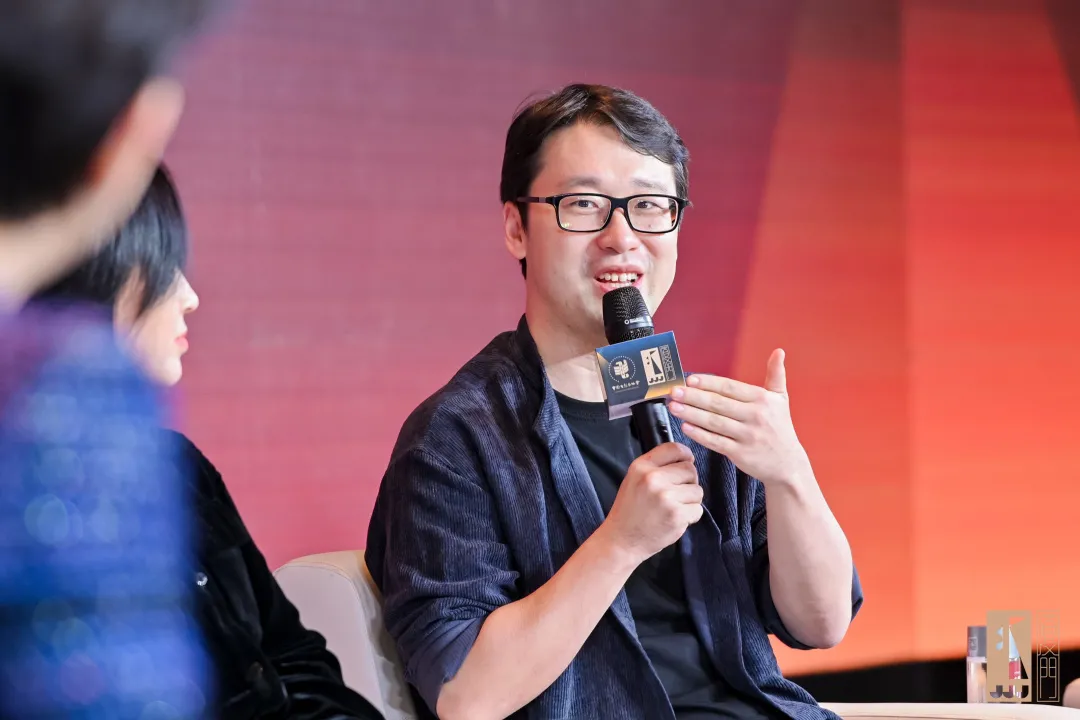
In the round-table, on making women’s films he said: “Our filmmakers should take particular care. When we talk about women’s cinema, it is not about gender opposition, nor should we deliberately emphasize gender consciousness. It is about truly seeing women as people, whether or not the woman in the work is the protagonist, and analyzing and portraying her difficulties, emotions and thoughts as a person. This is something many of our earlier works did not do well enough.”
Referring to the forum theme “Women’s Cinema: Challenges and Dreams”, he said: “Many of the difficulties women face are structural, imposed on them by our society. As filmmakers, whether or not we are making purely women’s films, we should face these structural difficulties and portray them. Only then can real discussion arise, and only then can these problems possibly be solved.”

Through the remarks of filmmakers, media professionals and industry experts, the forum aimed to draw more attention to women’s cinema and women’s issues, and to the real problems and difficulties women encounter in society. It also hoped, by sharing how female images and roles have developed in film, to explore society’s current expectations of women and the questions and explorations of women in their various circumstances today.