Qingcong Project: Discovering and Developing Young Chinese Film Directors
On November 22, 2019, the “Main Forum of the 28th China Golden Rooster & Hundred Flowers Film Festival: Qingcong Project Forum on Discovering and Developing Young Chinese Film Directors” (hereinafter the Qingcong Project Forum) was held in Xiamen. It was hosted by the China Federation of Literary and Art Circles, the China Film Association and the Xiamen Municipal People’s Government, and organized by the China Film Directors’ Guild, Zhejiang Yihe Film & TV Communication Co., Ltd., Shanghai Doujin Culture Media Co., Ltd. and Hongyi (Beijing) Culture Development Co., Ltd.
Guests attending the forum included Zhang Hong, Secretary of the Leading Party Members’ Group and Resident Vice Chairman of the China Film Association; Rao Shuguang, Director of the Film Art Center of the China Federation of Literary and Art Circles; director Li Shaohong, President of the China Film Directors’ Guild; Wang Hongwei, Vice President of the China Film Directors’ Guild and Chairman of the Qingcong Project; directors Guan Hu and Li Yu, members of the Executive Committee of the China Film Directors’ Guild; directors Chen Sicheng, Zheng Dasheng and Yuan Yuan; Chen Shaochun, Chairman of the Board of Yihe Film & TV; Wang Zikun, CEO of Yihe Film & TV; Lu Yan, Chairman of Hongyi (Beijing) Culture; Xiu Xiaoyong, Chairman of Doujin Culture Media; Ren Xiaofeng, Chairman of Guoyun Culture; Jiang Hao, President of Phoenix Legend Films; Zhao Chunming, Director of the Yunnan Nationalities Film Studio; Ouyang Chong, Deputy General Manager of Xiaoxiang Film Group Co., Ltd.; Sun Zheyi, President of Sunac Culture Group and Executive Director of Sunac China Holdings Limited; Wang Xing and Sun Fang of Sunac Culture Group; actress Liang Jing, Chairman of Qi Yinxiang; Fu Jia, Director of the Qingcong Project; Hou Xiaodong, Chief Producer of the Qingcong Project; and five young directors representing the Qingcong Project: Shen Yu, Dege Cairang, Hao Feihuan, Liang Ming and Ye Qian.
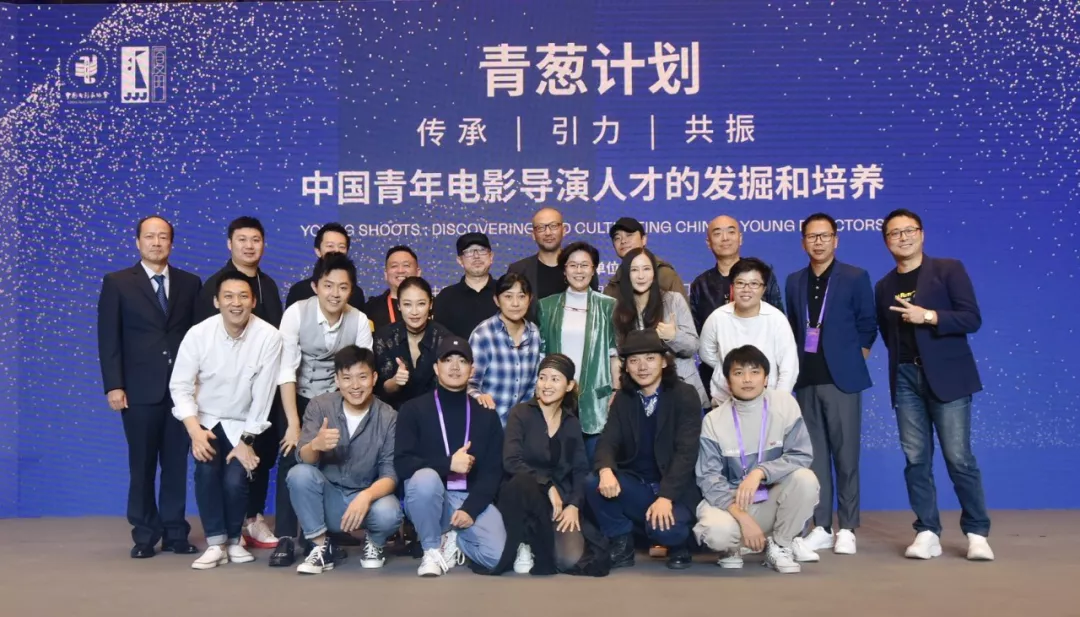
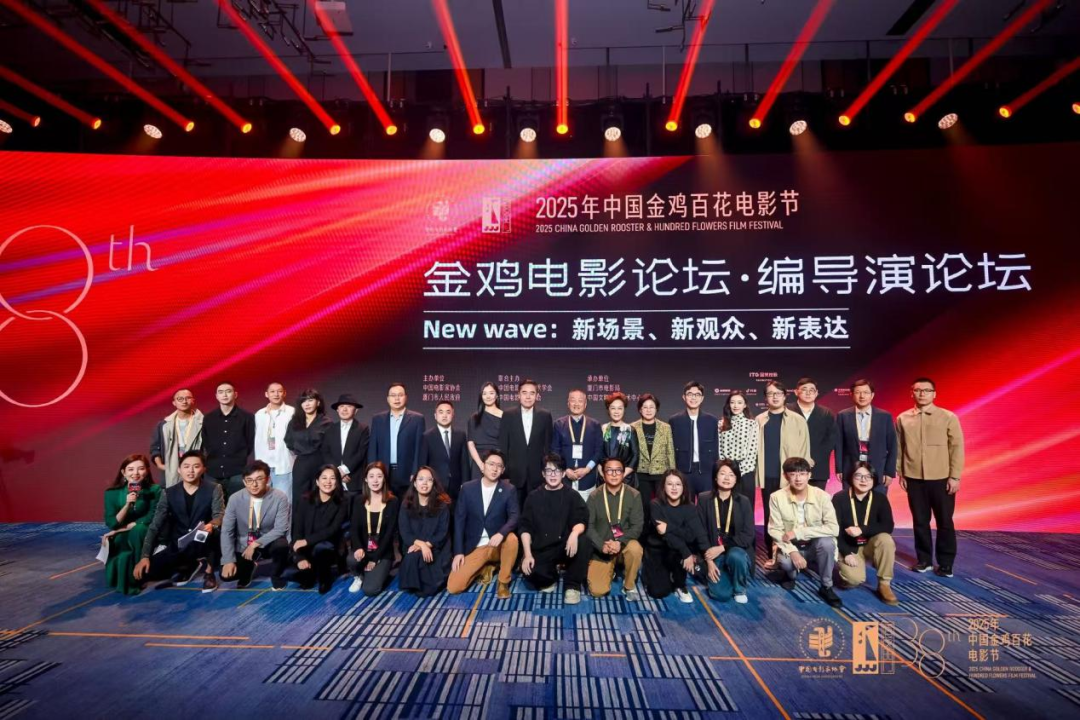
Group photo of Qingcong Project Forum guests
At the forum, Rao Shuguang, Director of the Film Art Center of the China Federation of Literary and Art Circles, delivered an address. He thanked everyone for their support of and attention to the Golden Rooster & Hundred Flowers Film Festival. He said that the theme of the forum, discovering, developing and passing the torch to new talent, is one of the fundamental duties of the China Film Association, and that, like the Qingcong Project, the Association will continue to attach importance to developing young directing talent. He stressed that attention to the film industry, to directors’ creative work and to the growth of new directors is the original commitment the Association has upheld and will continue to uphold. The festival invited many young directors to bring their works to the Golden Rooster & Hundred Flowers Film Festival and take part in its film exhibitions, forums and project market.
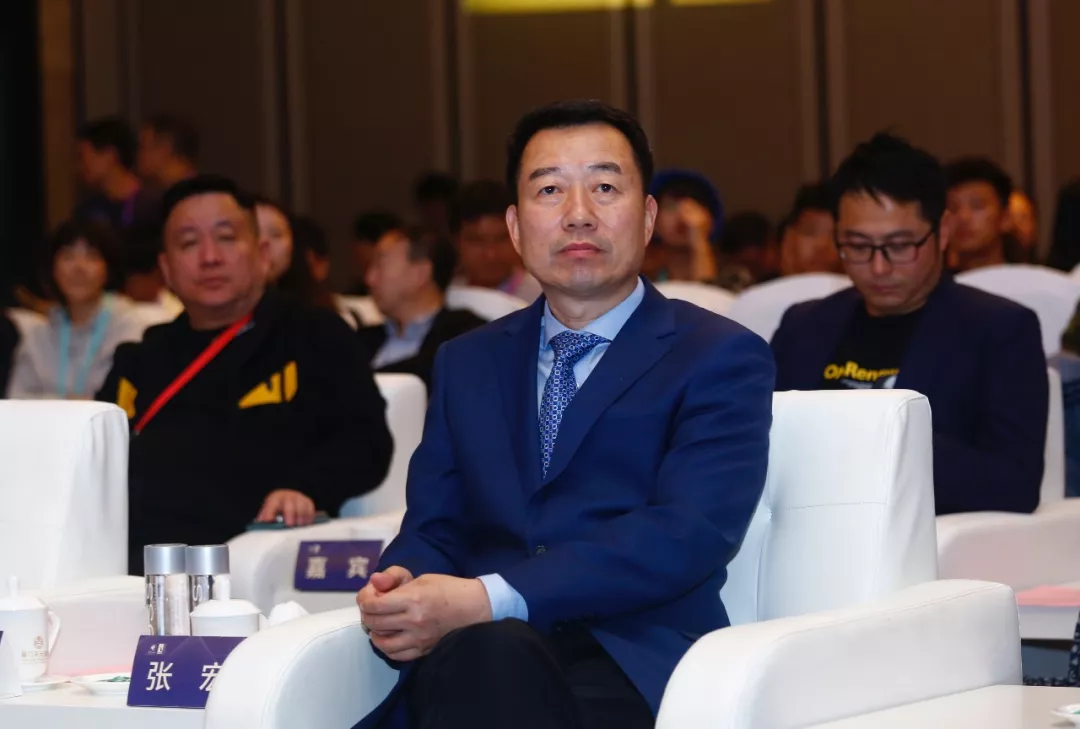
Zhang Hong, Secretary of the Leading Party Members’ Group and Resident Vice Chairman, China Film Association
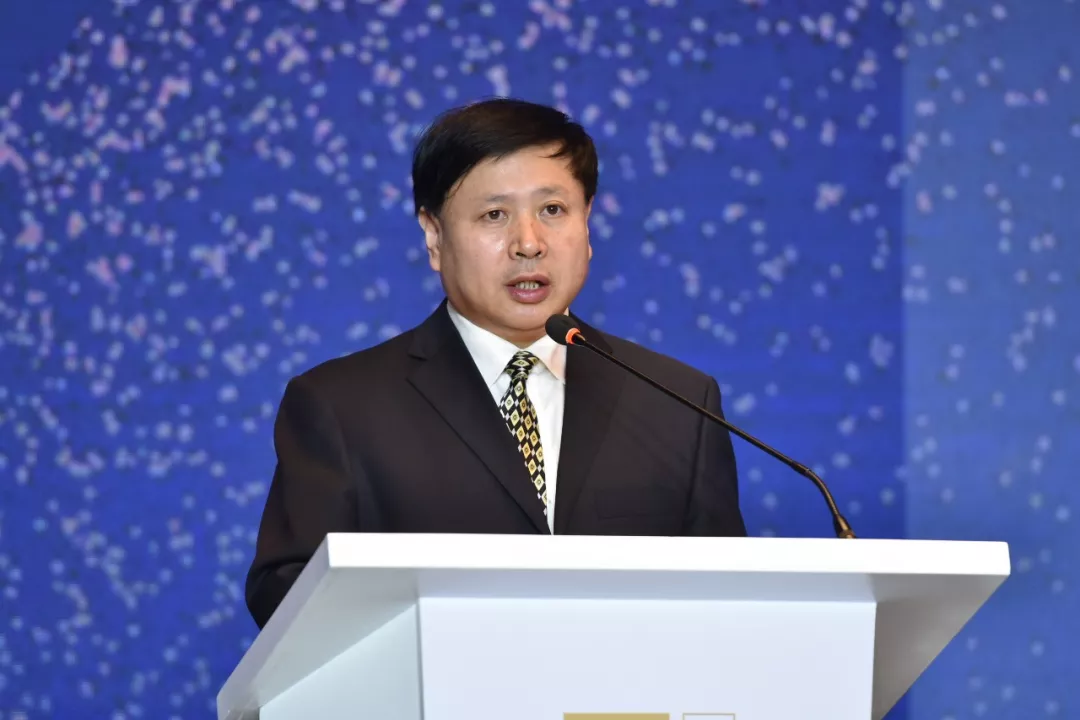
Rao Shuguang, Director, Film Art Center of the China Federation of Literary and Art Circles
In her speech, director Li Shaohong, President of the China Film Directors’ Guild, thanked the China Film Administration, the Golden Rooster & Hundred Flowers Film Festival and all sectors of society for their support of the Qingcong Project. She said it was an honor for the Qingcong Project to be invited for the third time to hold a main forum at the festival, and thanked every leader, guest, director, Qingcong Project mentor, and representative of film investment and production companies attending the forum. She stressed that the Qingcong Project has always been exploring how to develop new directors, and that the China Film Directors’ Guild has the ability, responsibility and obligation to share its industry experience with young directors and help them grow from “young scallions” into “full-grown scallions”. Over the past four years, 12 works from the Qingcong Project have completed production, and 6 have won major awards in China and abroad. She expressed confidence that with support from all sides the project will continue to improve, and hoped that young directors will create better works and contribute to the development of film.
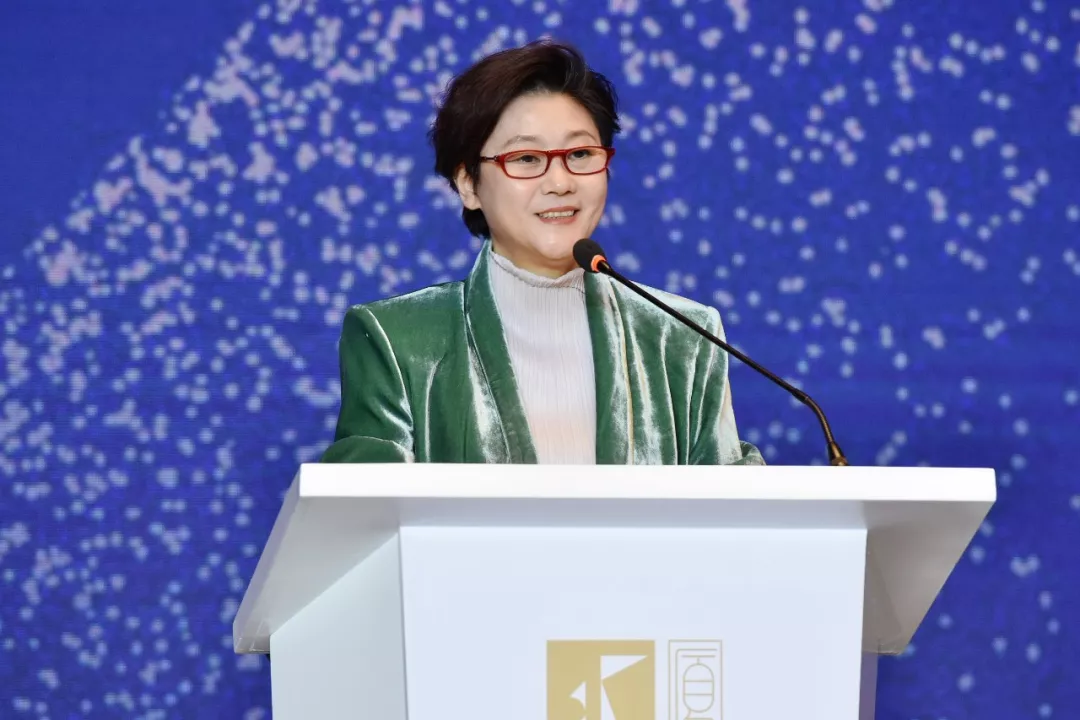
President of the China Film Directors’ Guild,Director Li Shaohong
Insights from industry mentors
In the discussion session, the guests drew on their own experience to discuss the current situation of young Chinese directors and how to better develop young film directors, speaking freely and sharing their views.
As a professional support platform that combines developing young directing talent with incubating young directors’ projects, the Qingcong Project has entered its fifth year. With a growing number of support programs for young directors emerging, the Qingcong Project continues to be recognized by the industry for its distinctive strengths and core value.
Director Li Shaohong said: “The mission of the China Film Directors’ Guild is to carry on the past and open up the future. What does carrying on the past mean? It means inheriting and carrying forward the creative spirit of earlier generations of directors. What does opening up the future mean? It means developing new directors for the Chinese film industry. This is the mission and responsibility of the China Film Directors’ Guild.” A director is called a director only after making a film, and helping a director complete a film requires the support of the whole industry chain; it cannot be done by one person alone. The Qingcong Project owes its current achievements to the joint efforts of nearly 400 member directors of the China Film Directors’ Guild and a number of leading companies in the industry.
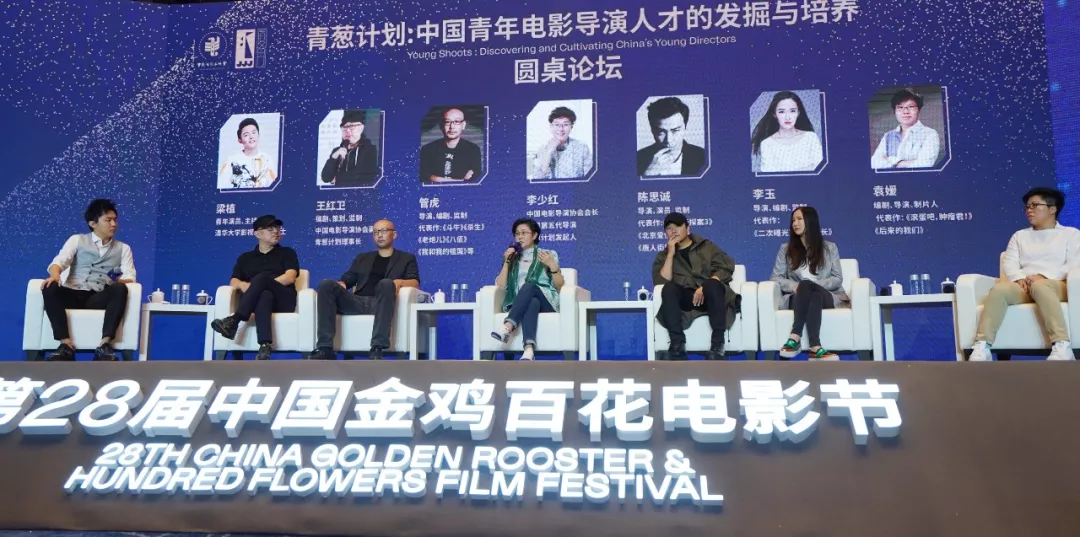
The Qingcong Project Forum at the Golden Rooster & Hundred Flowers Film Festival
Wang Hongwei, Chairman of the Qingcong Project, then introduced the project’s overall process to the guests: “Each year we start with an open call for applications. The first round selects the top 30, and the second round selects the top 15, who enter the screenplay workshop. During this stage we invite five of the industry’s top screenwriters, each mentoring three participants’ scripts. Then film critics, producers and programmers conduct a third round to select the top 10, who enter the director training camp. In the training camp we raise funds for participants to shoot two rounds of short films, an assigned-topic short and a project-pitch short, and mentors guide them according to their creative state and characteristics. Mentors also take part in the subsequent project market, and later serve as executive producers on participants’ works. Over four editions, more than 100 industry mentors have taken part at various stages, helping participants’ works make a qualitative leap at every stage.”
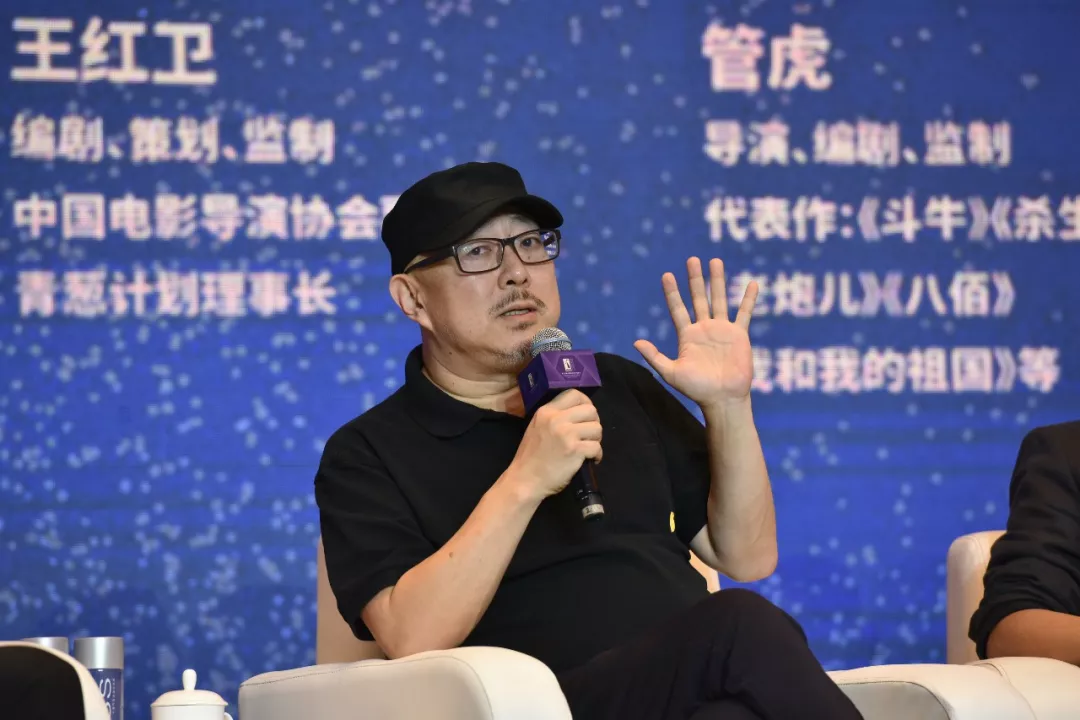
Wang Hongwei, Vice President of the China Film Directors’ Guild and Chairman of the Qingcong Project
Each year the Qingcong Project brings together one of the industry’s strongest lineups of mentors to train and guide its participating directors. Forum guests Guan Hu, Chen Sicheng, Li Yu and Yuan Yuan have all served as Qingcong Project mentors.
Speaking about his experience with the Qingcong Project, director Guan Hu said that at first he did not quite believe a support platform like it existed. “Later, Liang Jing and I both took part in the third edition of the Qingcong Project, and we found that it does not manage directors or works. It is a non-profit platform that links generations and passes the torch to new talent.” He said that helping young directors at that time was also a process of learning for himself. He told Wang Hongwei and Li Shaohong directly: “It is best not to let this stop. It should keep going.”
Director Chen Sicheng took part in the Qingcong Project on his own initiative. As producer of the Detective Chinatown series, he was looking for newcomers who could direct further Detective Chinatown installments, and he also needed new talent capable of making genre films. “The Detective Chinatown universe has taken initial shape, and we need good genre directors to emerge.” He also said that for Chinese cinema to develop healthily it must have successors, and the Qingcong Project meets this essential need of the industry.
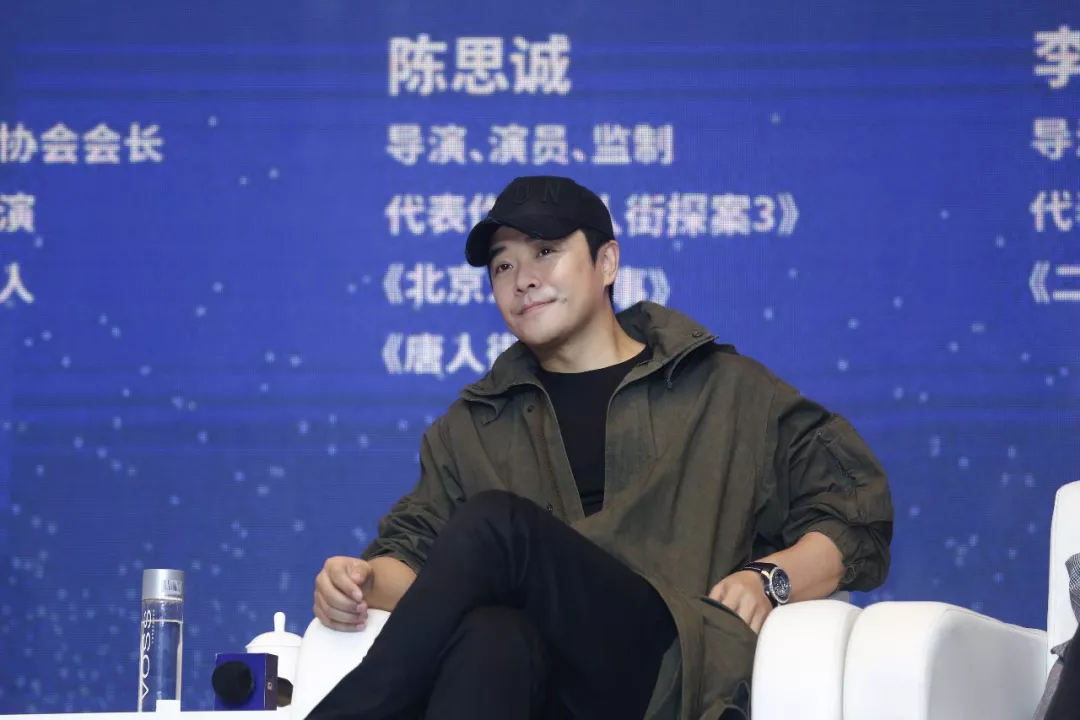
Director Chen Sicheng
Director Li Yu was a mentor in the first edition of the Qingcong Project. She said that when she heard about the project, she immediately praised it, saying that China finally had a platform to support young directors. “I am very happy for young directors, and also envious. Why didn’t we have these benefits when I started making films? The participants’ works in the Qingcong Project are distinctive and cover a wide range of genres. Taking part in the project was also a rare chance to exchange ideas with young directors.”
Director Yuan Yuan, who had just completed a new film, spoke with feeling about making a first feature. Summing up her experience as a first-time director, she said frankly that making a film is very difficult, because it involves not only shooting and creating but also communication and coordination. She said it was an honor to take part in the Qingcong Project, and that every exchange with the participating directors was a process of learning.
In just four years, the Qingcong Project has received 1,345 project applications. Viewed over time, the project will be an important research sample of young Chinese filmmakers.
At the forum, Wang Hongwei noted that over the past four years 20 projects have emerged from the Qingcong Project, more than half of which have been realized. He stressed, however, that the purpose of the project is neither to recruit directors nor to acquire projects, but to provide practical support for young directors to make good films.
Staying true to oneself and daring to innovate
Growth is never entirely smooth, and directing has its own threshold. On the path to helping young directors transform, there are many problems new directors must face. The guests shared some of their own experience with the young directors.
Director Li Shaohong said that creative work should focus on individual, personal expression. She advised participants to preserve as much as possible the original character a work has at its early creative stage: “This is what a director should hold on to most, and what best reveals a director’s potential.” Wang Hongwei summed up the characteristics of the Qingcong Project participants: “Diversity is the most prominent characteristic. The second is that their first features are well executed. The third is that over the past four years, participants’ works have become increasingly individual. These are all trends we hope to maintain.”
Director Guan Hu, who has taken part in the Qingcong Project several times, said: “Here, passion and dreams for film are not what matter, because every participant comes with a dream. What I value most is the ability to assess oneself clearly and solve problems, and a commitment to authorship.”
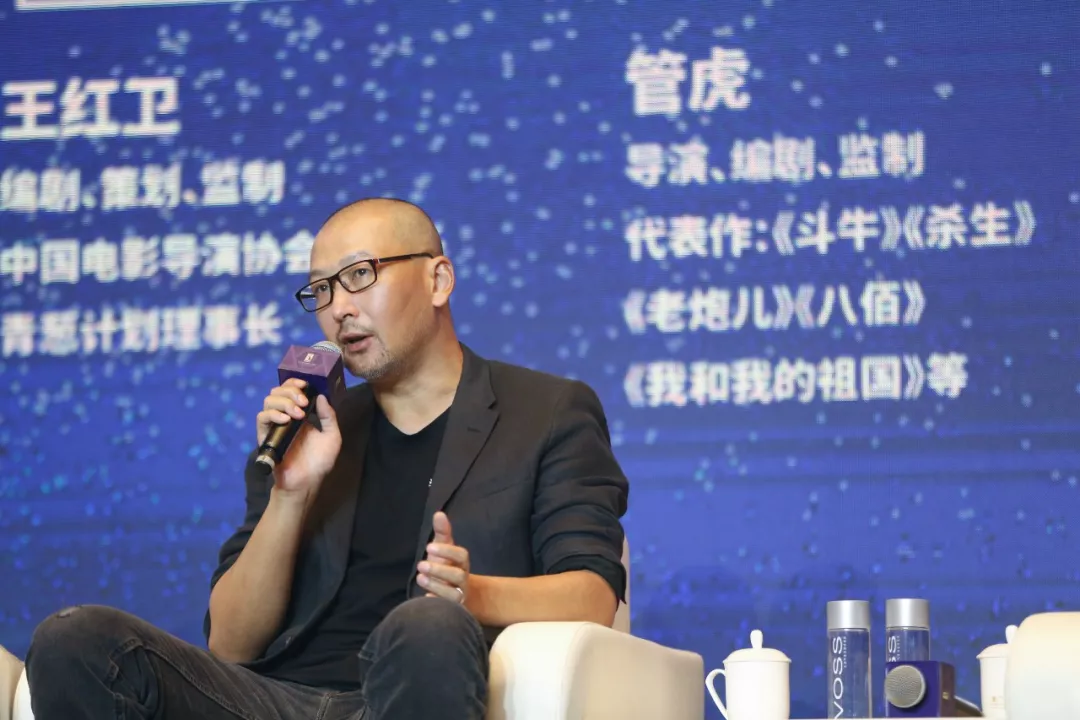
Member of the Executive Committee of the China Film Directors’ Guild,Director Guan Hu
In today’s film landscape, new directors are no longer only “new forces” trained in film schools; there are also many “outsiders” who came to directing midway through their careers. Chen Sicheng, who moved from acting to directing, shared his view: “Art should let a hundred flowers bloom. Whether genre, commercial or art-house, just stay true to yourself.”
Li Yu acknowledged that it is hard for a director to balance art and commerce. She said participants should first be clear about what they want and should not rush to create hit works that “break out of their circle”.
Director Yuan Yuan, who had just completed her first film, used herself as an example: for a new director, taking the first step with a debut and persisting until a complete work is finished is what matters most. She also said that a new director needs high emotional intelligence; communication is an art in itself and the biggest test of a director’s creative work.
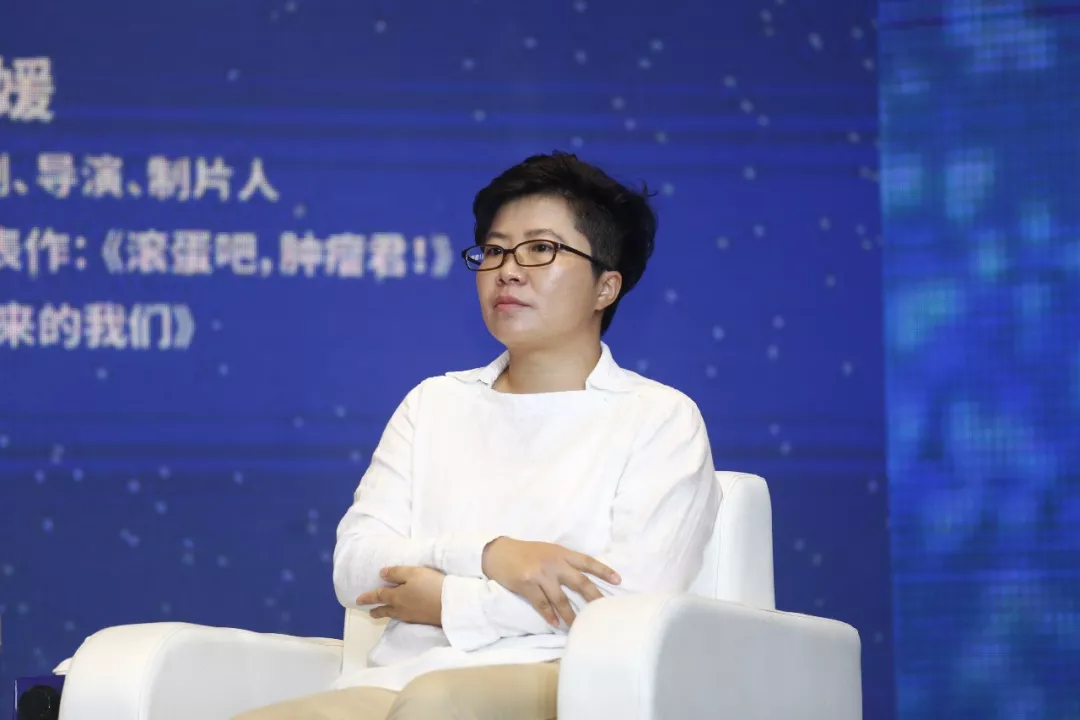
Director Yuan Yuan
Young directors’ creative vision has certain limitations and tends toward homogeneity. In guiding participants, an important responsibility of Qingcong Project mentors is to encourage directors to examine themselves more and help them add depth and substance to their works.
With support programs of all kinds, young directors have more opportunities than before, but they also face more tests. Several mentors at the forum advised young directors not to follow the crowd by writing scripts for project markets or changing their original reasons for making films to suit project markets.
Director Chen Sicheng cited the collaboration between Kevin Feige and Chloé Zhao, saying that a first film is very important: it was with The Rider that Chloé Zhao opened the door to major Hollywood productions. He hoped young directors would hold on to their original intentions and ideas and present themselves to the world. He stressed: “‘Director’ is not a noun but a verb. Directing is not a job but an impulse. Only a director with a strong desire to express and to conquer can make films well. Young directors must believe in themselves; a wolf-like drive and inner strength are very important.”
Director Li Yu said creative work has two sides: the first thing that attracts her is whether a young director’s personal expression resonates with her and their creative ideas are similar to hers, but works with a worldview opposite to hers can attract her as well. Director Yuan Yuan said finally that she would choose first to work with the directors who move her most.
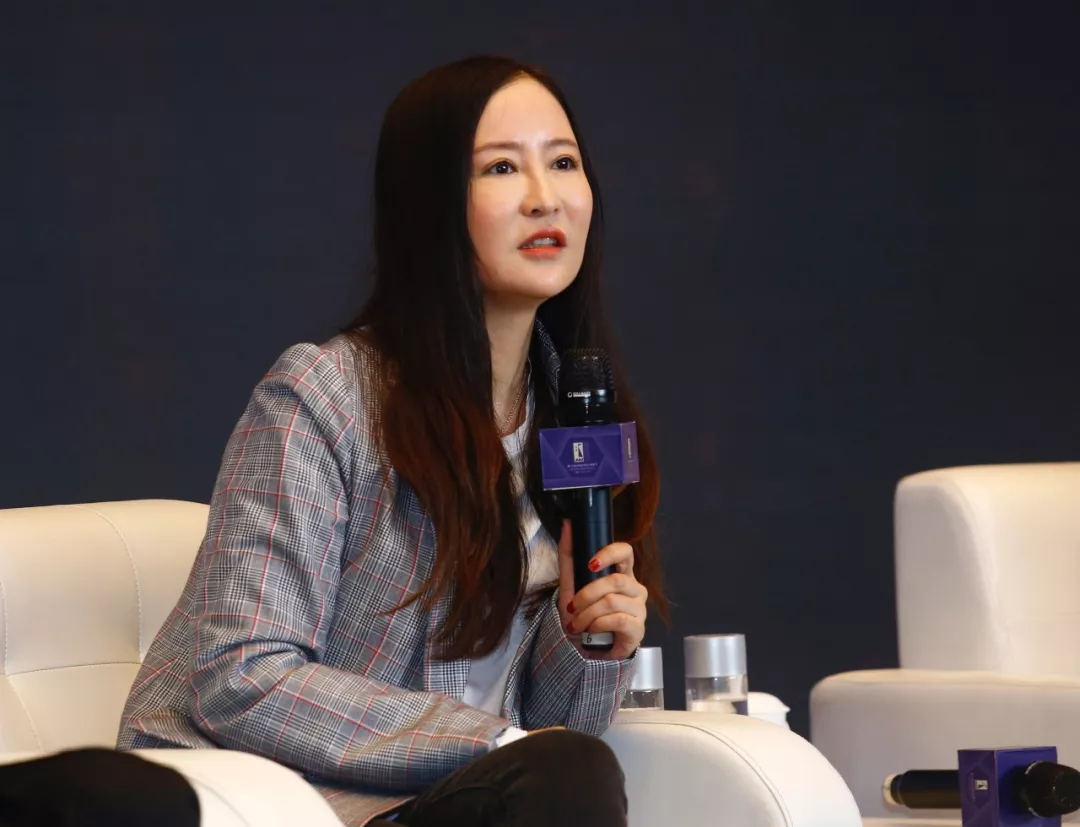
Li Yu, Member of the Executive Committee of the China Film Directors’ Guild and Director
The growth of young directors cannot happen overnight. On the long road of filmmaking, how can young directors’ projects be realized? How can a debut film connect with audiences? How can directors broaden their creative vision and make films that are both artistic and commercial? These questions can all be addressed in the Qingcong Project.
Over the past four years, many mentors have witnessed and taken part in the Qingcong Project, doing their utmost to help participating directors complete their debut films and tap their potential. Director Guan Hu collaborated with Qingcong participant Gao Linyang on Reunion Day, which recently wrapped after more than a year of preparation. Director Chen Sicheng worked with Qingcong participant Yao Wenyi on the Detective Chinatown web series, providing a first-rate crew and comprehensive guidance during production, and Yao Wenyi’s theatrical feature Wild Motorcycle is in preparation with Chen Sicheng as executive producer. Director Li Yu supported Shen Yu in making The Old Town Girls and, together with fellow executive producer Fang Li, protected the young filmmaker.
The Qingcong Project not only guides and develops new directors; it also creates resonance among outstanding filmmakers. Mentors and executive producers are guides for young directors, not their “protective umbrella”.
Young voices: young directors break through
Over the past few years, the Qingcong Project has continued to support the development of participating directors’ film projects, and participants have lived up to expectations, gaining recognition at film festivals in China and abroad.
Earlier this year, The Crossing, a Chinese film by director Bai Xue that was well received by film fans, was completed and released in cinemas after being developed through the Qingcong Project. Many more works by Qingcong participants are waiting to reach audiences. At the event, five young directors, Hao Feihuan, Liang Ming, Shen Yu, Ye Qian and Dege Cairang, held a dialogue with the mentors, each talking about their films and their experience of creating through the Qingcong Project.
New directors often have many questions. For Ye Qian, who came to directing from another field, the question was: what kind of director does this era need? Director Li Shaohong shared her view: “Times have changed, and the film and television industry is developing fast. Cinema chains, TV stations, online platforms and other channels offer many opportunities to new directors every year. What the Qingcong Project wants to do is create opportunities for all kinds of talent, without limiting genre or subject matter, and without limiting them to art-house or commercial work.”
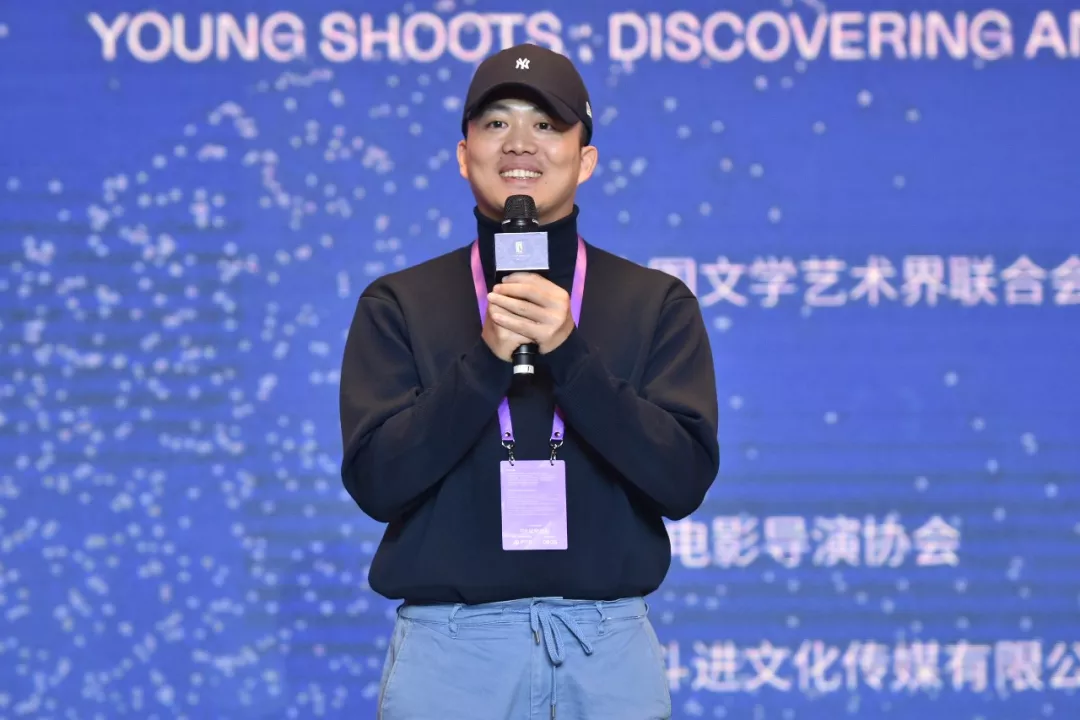
Director Ye Qian
For Hao Feihuan, the question was: how can a new director find a producer? Wang Hongwei answered: “In fact, the industry currently lacks mature, professional producers.” Hao Feihuan’s question is in fact a good suggestion for the Qingcong Project. Taking the occasion of the Golden Rooster & Hundred Flowers Film Festival, he called on professional producers in the industry to pay more attention to young directors, and welcomed them to take part in Qingcong participants’ projects in the future.
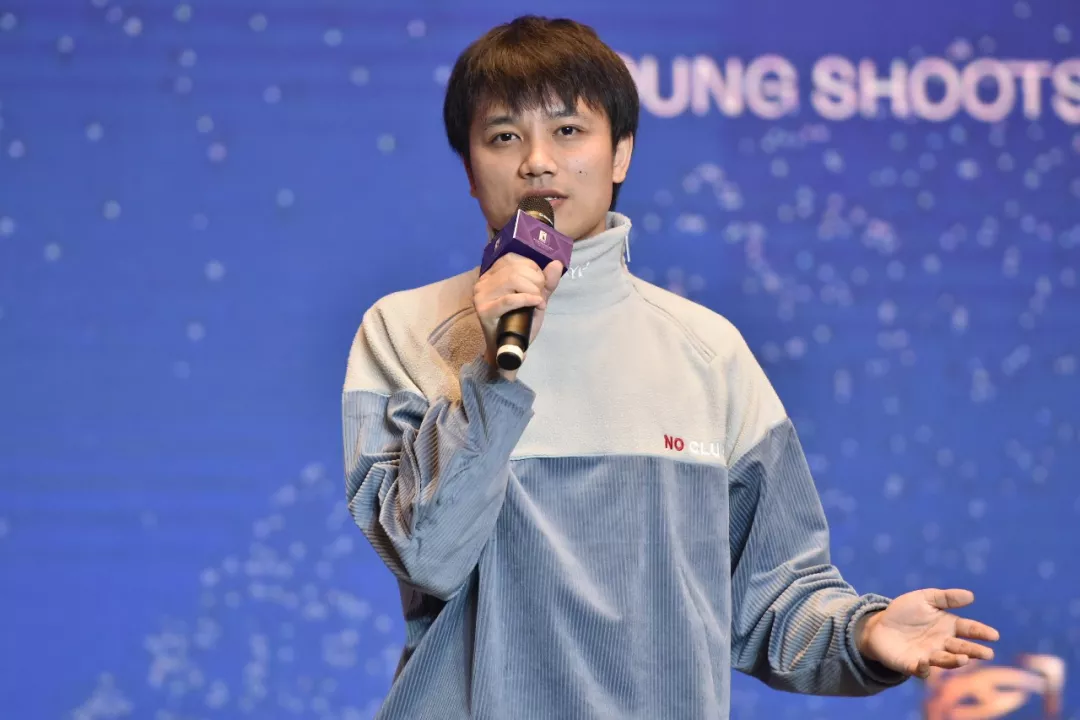
Director Hao Feihuan
Director Dege Cairang was very interested in how Chen Sicheng develops film series and balances subject matter with the market. Chen Sicheng told him: “First, I think culture as a product is very important. Industry is like the soil of this business: the bigger and better the industry, the more room we have to accommodate all kinds of films, including more art-house films, genre films and commercial films. We depend on this industry like fish depend on water. One important reason the American film industry has become so large is its cross-sector influence. Take Disney, number one among America’s five major companies: its annual financial report reflects box office earned around the world. Everyone knows the top-grossing film last year was Avengers: Endgame, yet box office accounts for less than 30% of its annual revenue each year; the rest comes from theme parks, merchandise, licensing and the ‘content plus’ part of the business. Second, on the question of combining the two, I find it hard to analyze. Everyone has their own particular talent; mine is just this, doing this kind of work. We should not underestimate our talent, or let inertia or anything else lead us to underestimate it. How those of us with some experience can find young people with real talent and help them avoid detours is the most important part of what the Qingcong Project has become.”
As for science fiction, a genre the young directors were interested in, director Yuan Yuan explained how to make it well: “A science fiction film must have a convincing worldview; within that worldview there must be emotional grounding, and it should also engage with reality. These three elements are the foundation of a good science fiction film. The Three-Body Problem is a science fiction work recognized internationally. Creating a work on such a grand scale is bound to be very difficult, but I will always look forward to works like it.”
Director Liang Ming was unsure about the relationship between a film’s theme and its creation. Director Guan Hu said frankly that when taking part in a project market or at the writing stage, the theme of the work must be clear, otherwise it is hard to explain one’s story to many people. Director Chen Sicheng added: “A good film can be explained in one sentence.”
Director Shen Yu, who had just finished a film about women and crime, was anxious about choosing the subject of her second film. Director Li Yu, with many years of filmmaking experience, said: “In creative work, the big background and big theme are not the difficulty. What matters is knowing what you want to express. That will mature gradually over time.” On whether a film needs to address a mass audience, Wang Hongwei advised: “We need to ensure the quality of works by directors who gain opportunities through project markets, and that quality should hold whatever the target audience. In the future Chinese art-house cinema needs good films and higher quality, and Chinese genre cinema needs good directors. If we achieve these two things, your question will be answered.”
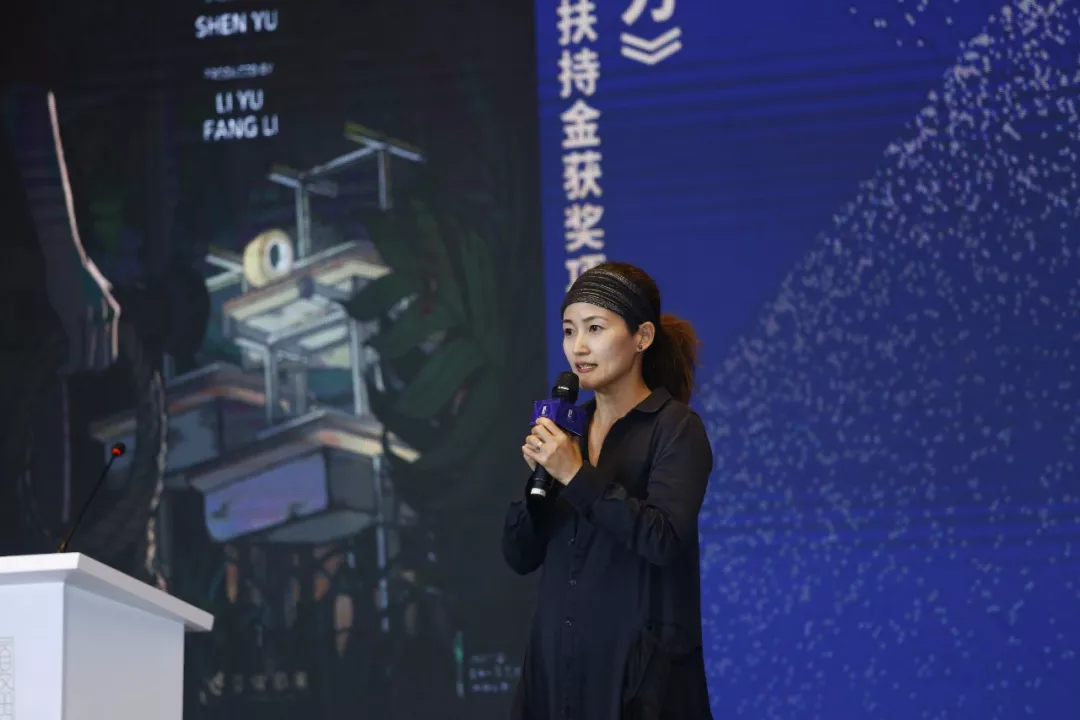
Director Shen Yu
Qingcong productions, a mark of quality
In the four years since its launch, with the care and support of all its mentors, industry companies and filmmakers, the works of Qingcong directors are gradually reaching the big screen and audiences.
Notes of a Stray Dog is directed by Hao Feihuan. A genre film combining suspense, crime and absurdity, it is currently in post-production. Hao Feihuan thanked the Qingcong Project for helping him make the film over the past few years, describing it as an entertaining genre film with something to say, and said he hoped audiences would enjoy it.
Wisdom Tooth gained wide attention at the Pingyao International Film Festival. Director Liang Ming said it is his debut feature. From 2012 to 2018 he worked on it alone and the project was rejected for a long time, until he joined the Qingcong Project and was finally able to shoot it.
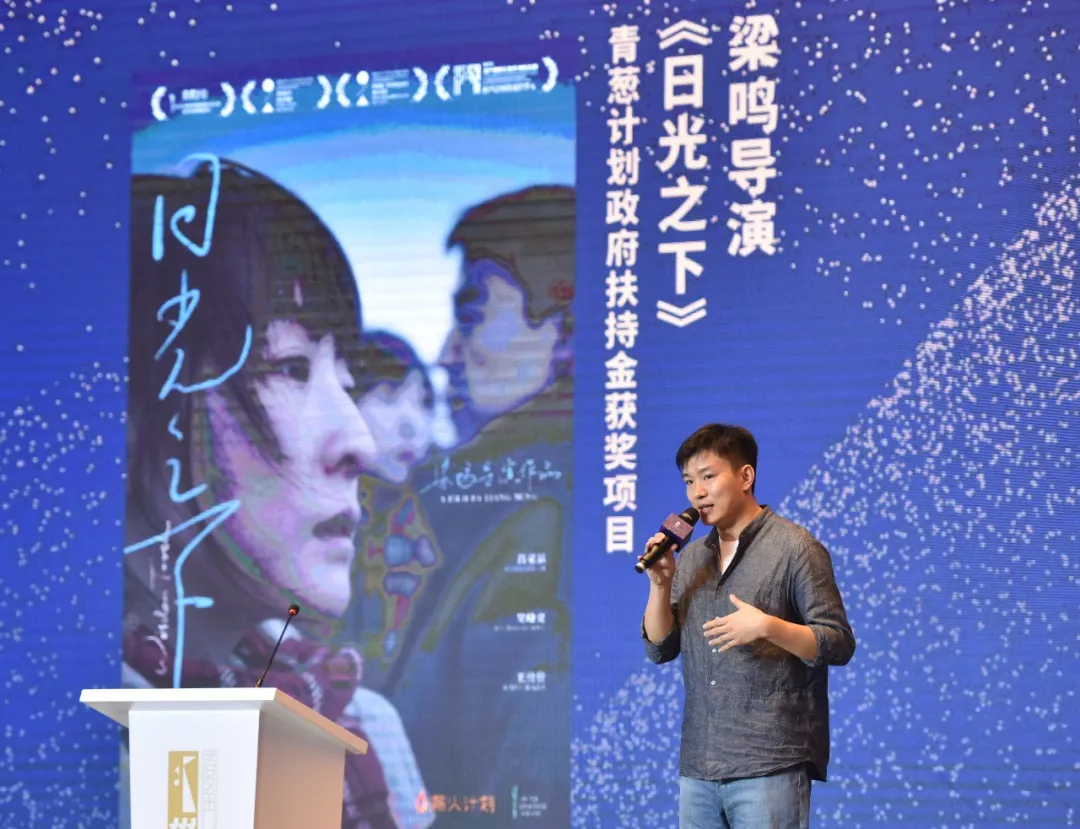
Director Liang Ming
The Old Town Girls, directed by Shen Yu, is currently in post-production. She said she enjoyed the process of making the film, that it could not have been completed without the support and help of director Li Yu, and that she met many capable team members during production. The last time she came to the Golden Rooster & Hundred Flowers Film Festival the film was still in preparation; now she has returned with the finished film, and the Golden Rooster has witnessed its creative journey.
Sweet Potato Rice is directed by Ye Qian and tells the life story of a woman who remains a girl at heart. He thanked the Golden Rooster Awards for settling in Xiamen, Fujian, said he was honored to take part in the Qingcong Project, and thanked executive producer Li Shaohong for her help, which enabled him to complete his debut feature. Drawing on his own experience of moving from another field into directing, he said, in a play on the project’s name, that “Qingcong does not put on airs” and will accompany directors all the way.
Director Dege Cairang brought A Song for You to the forum, the story of an 18-year-old Tibetan youth’s musical journey. He likened the Qingcong Project to an old tree: “One generation plants the trees, and the next enjoys the shade.” The film had a real chance to be made only with the help of Qingcong Project mentors and many senior figures in the industry.
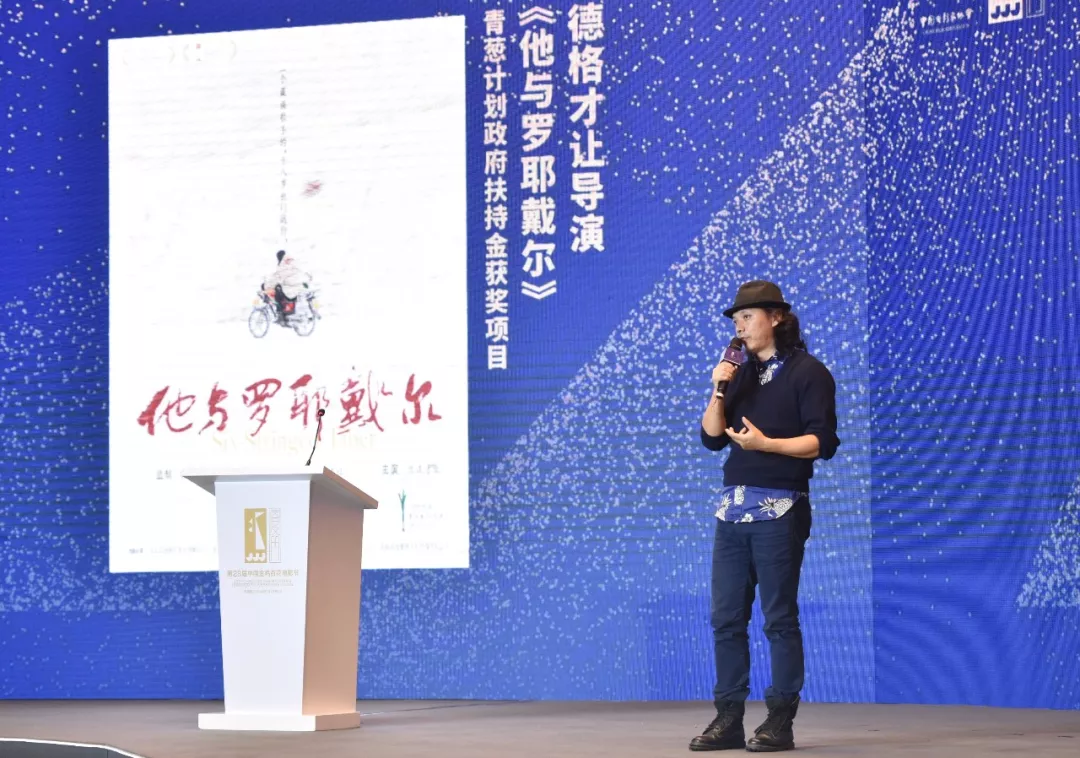
Director Dege Cairang
At the close of the forum, Chen Shaochun, Chairman of the Board of Yihe Film & TV, spoke on behalf of the organizers Yihe Film & TV, Hongyi Culture and Doujin Culture. Noting that a tree that reaches the clouds starts as a green shoot, he said that as a corporate guest he had seen the Qingcong Project’s contributions over the years and the progress and achievements of many young directors, and that he believes supporting young film talent is also a historical mission and responsibility of cultural enterprises. In the future, the companies will give more support to young directors’ projects in investment, overseas shooting and production.
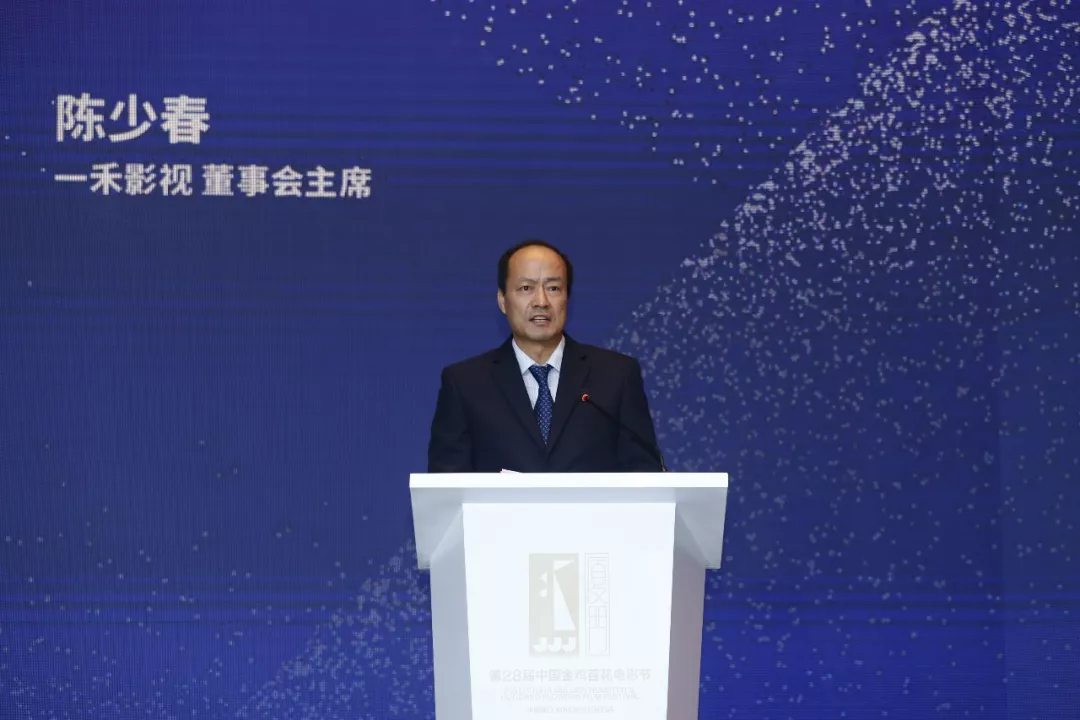
Chen Shaochun, Chairman of the Board, Yihe Film & TV
The Qingcong Project will continue to work with experienced filmmakers and production companies to accompany and support young filmmakers and contribute to the development of the Chinese film industry.