Directors’ Forum: Personal Expression and the Demands of the Times
As socialism with Chinese characteristics has entered a new era, telling China’s stories well and making China’s voice heard have become increasingly important topics in Chinese filmmaking. From a creative standpoint, how to tell China’s stories through images, present a true and objective image of China and convey the core socialist values is a required course for Chinese filmmakers at this stage.
While responding to the demands of the times, how directors can maintain personal expression, highlight their own style, persist in artistic exploration, uphold artistic quality and display diverse styles is a question every Chinese filmmaker must face.
On 20 November 2019, the Directors’ Forum of the 28th China Golden Rooster & Hundred Flowers Film Festival was held in Xiamen, bringing together a number of directors to discuss “personal expression and the demands of the times” in filmmaking.
The forum was moderated by producer and film critic Teng Jingshu. In the first half, directors Hu Mei, Pema Tseden and Zheng Dasheng took part in a roundtable discussion.
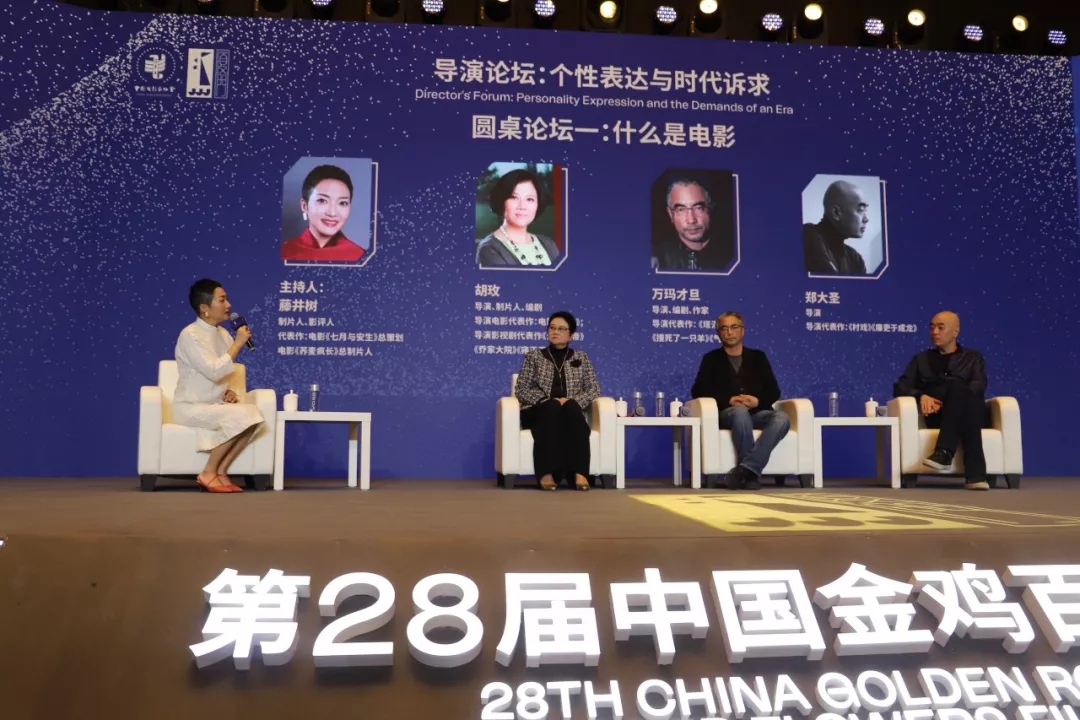
Roundtable Forum, First Half
From Yongzheng Dynasty and Qiao’s Grand Courtyard to her new film Enter the Forbidden City, director Hu Mei is seen by many as keen on and skilled at historical works with grand narratives. Hu Mei said this is a misreading: “Personally I would very much like to get fresh scripts that are better suited to a woman director, like Army Nurse, which I made in my early years. But I am a bit rebellious. Back then I was the only one of the Fifth Generation directors who broke away to make TV dramas. Later many articles said I was a woman director, and I refused to accept that, so I took on male subjects too. Everyone makes their own way, and I think my strength is that I don’t follow orders.”
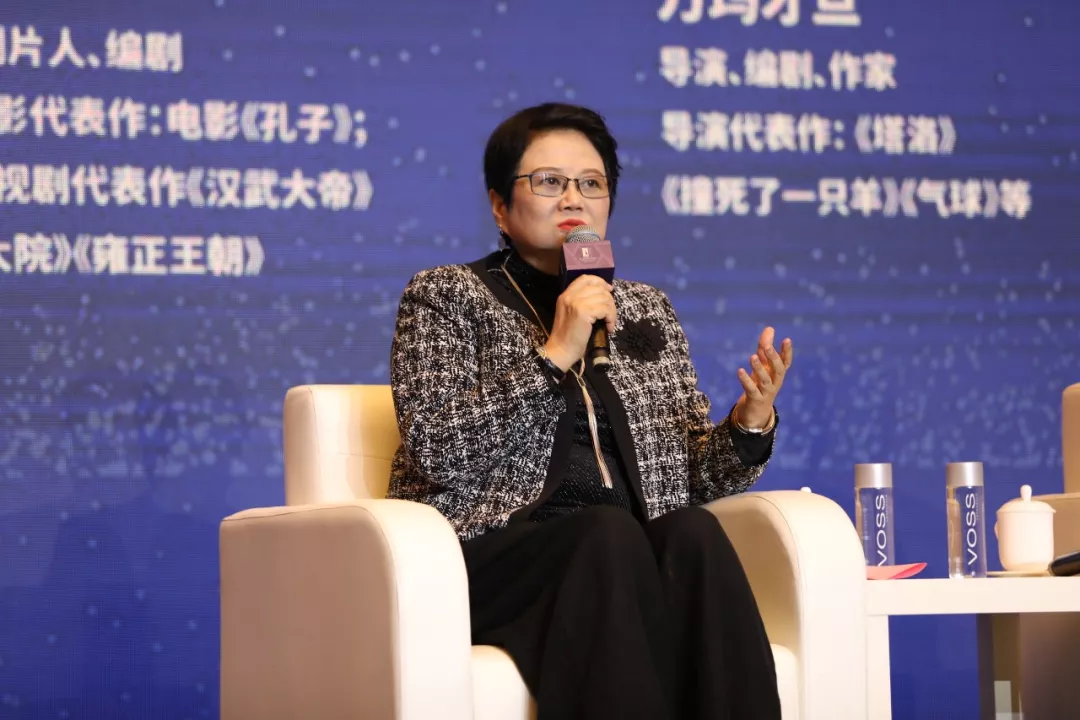
Director Hu Mei
Director Pema Tseden only began studying filmmaking professionally in his thirties. So far his films have all been Tibetan stories, but he said: “I hope my films are not confined to Tibetan areas and Tibetan people. I hope to go beyond the idea of ethnic groups, so from the script stage I want audiences beyond Tibetans to understand what the film expresses and conveys.” Speaking of his latest film Balloon, he revealed that the inspiration came from his time studying at the Beijing Film Academy in 2012: “One night I was walking along Zhongguancun Street and suddenly saw a balloon floating. I was inexplicably drawn to this red balloon and felt it was very good material for a film, so I decided to make it into one.”
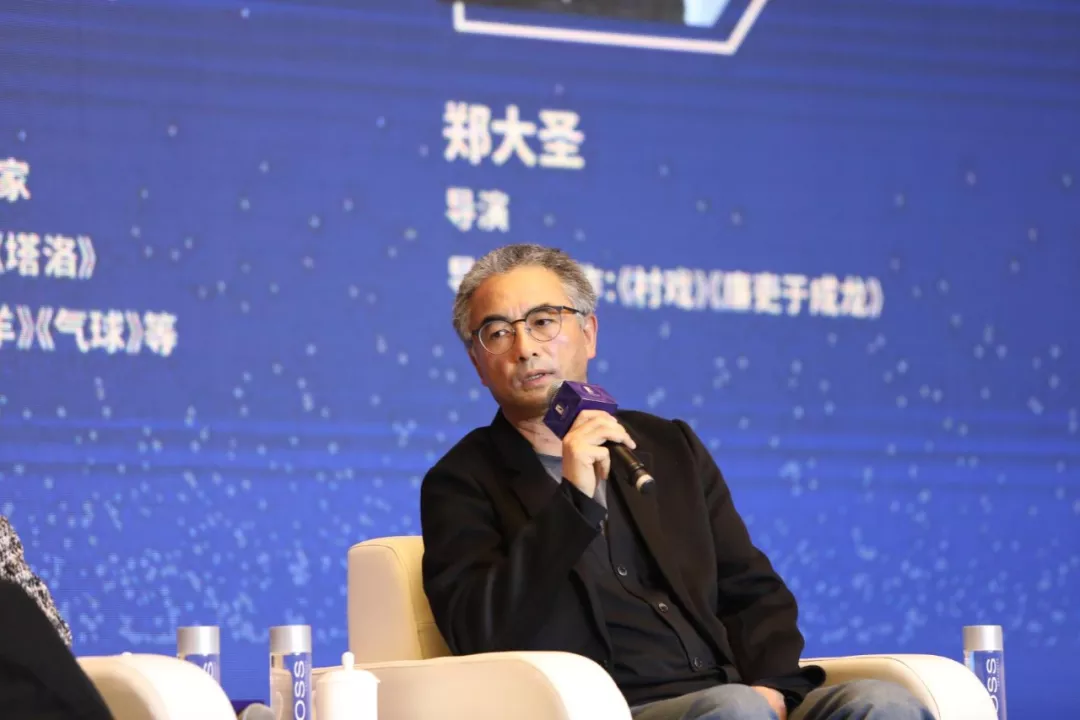
Director Pema Tseden
Explaining why he makes films slowly, director Zheng Dasheng said: “I want the subject or story I take on to feel familiar enough that I am willing to stay with it, and strange enough that I am willing to look at it again and again. Stories that are both familiar and strange are hard to come across. What I have come across before were historical subjects, which felt light enough and unpredictable enough to me. The opportunity I most hope to come across is to look at the present situation from a historical perspective, as if the time machine or spaceship I was piloting had an accident and I woke up in a new time and space that left me at a loss. I would like to be an invisible person travelling through time and space.”
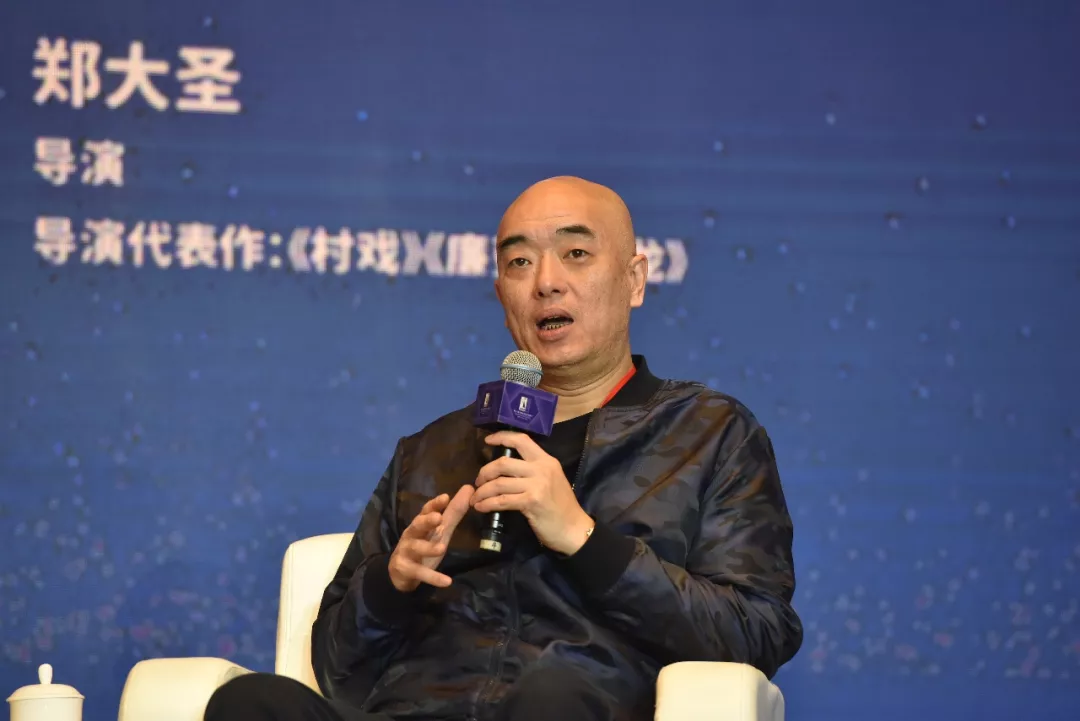
Director Zheng Dasheng
In the second half of the forum, directors Wu Bai, Huo Meng, Cui Siwei, Gan Jianyu and Gu Xiaogang joined the roundtable to discuss “a new era, new images”.
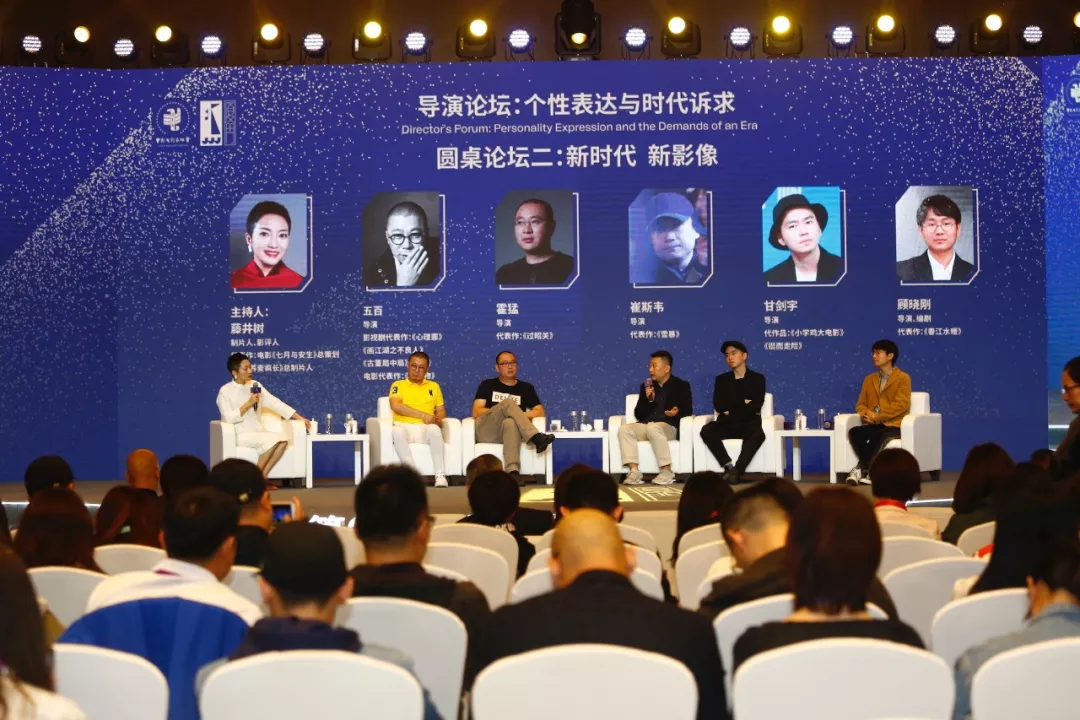
Roundtable Forum, Second Half
Director Wu Bai, who did not receive formal film training, shared how he entered the industry. He believes the internet has given many young people the opportunity and space to show their talent. Before getting the chance to make the film Striking Back, he made short films and web series, taking a roundabout route to “survive first”.
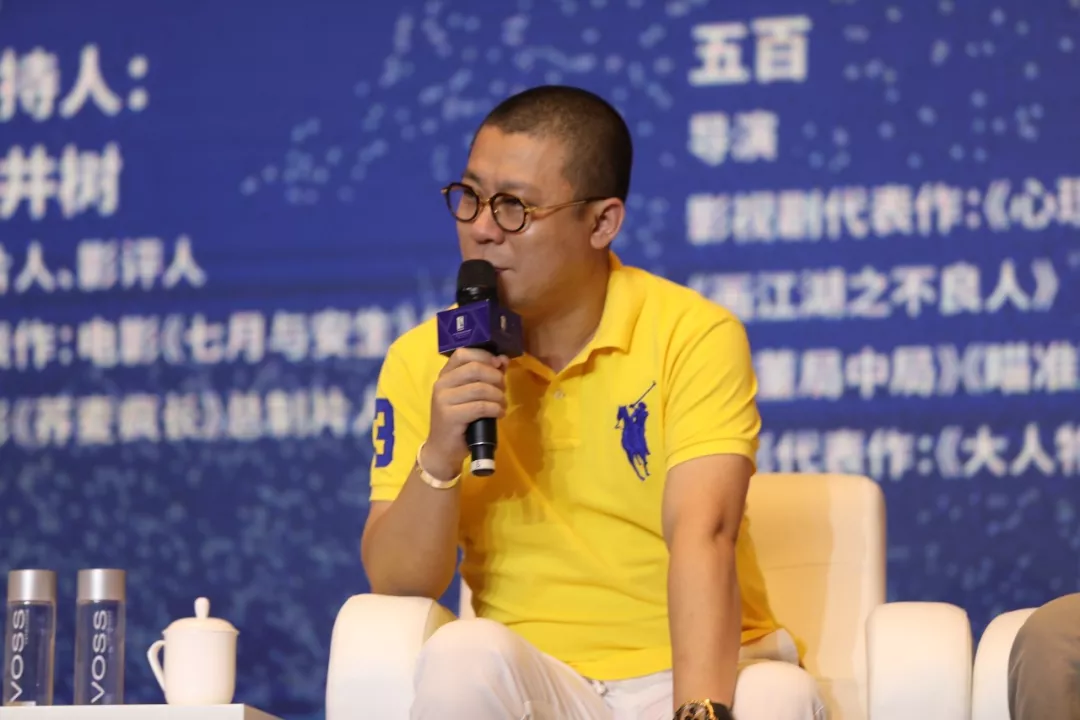
Director Wu Bai
Huo Meng, director of Crossing the Border – Zhaoguan, said: “How you make a film is not important; what matters most is what film means to you. Crossing the Border – Zhaoguan was a film I had to make; what I wanted to say had to be released through film.” He believes that camera rental is now very cheap, and anyone can make their own film at a very low cost; it depends on whether you have figured out why you want to make it.
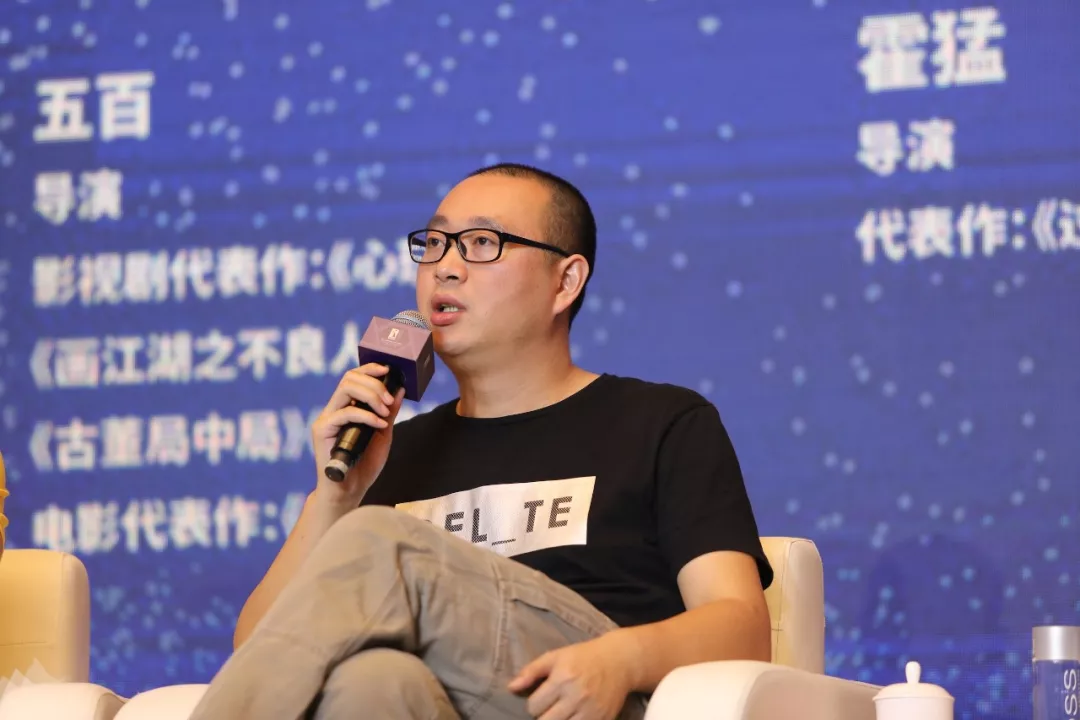
Director Huo Meng
Cui Siwei, who moved from screenwriting to directing, explained why he directed Savage himself: “I am an old hand in film. I have worked in this industry for more than ten years, mostly as a screenwriter, but not every script you write gets made, and Savage was one of them.” That he finally had the chance to make it into a film was, in his view, also a matter of timing, as he caught a period of rapid growth in the industry. Cui Siwei often takes part in project markets. He believes today’s new directors are highly educated, but some focus on too narrow a range of subjects, and he encouraged new directors to go beyond their “private feelings” and take a broader view.
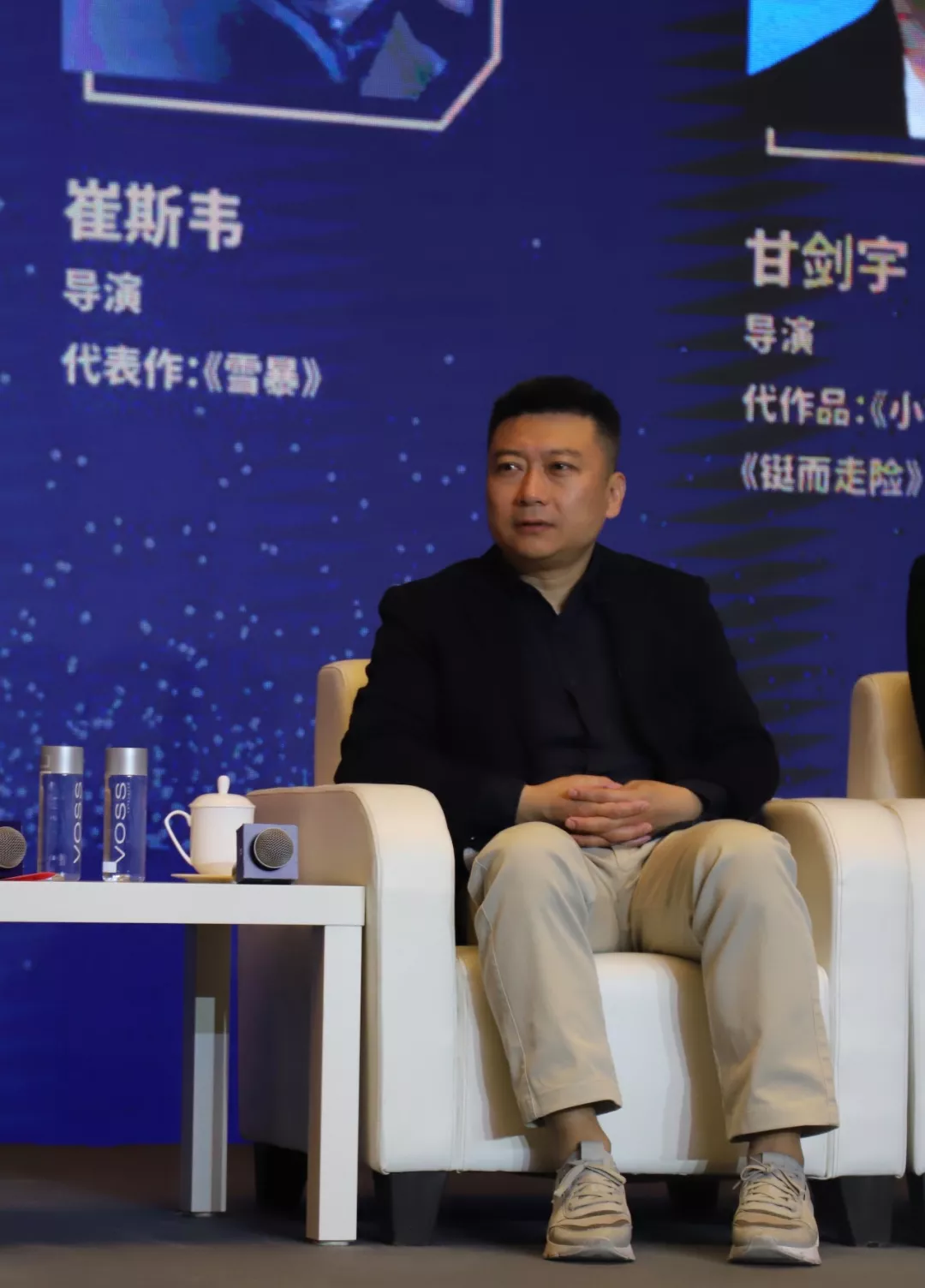
Director Cui Siwei
Young director Gan Jianyu is committed to making commercial films: “I think films need to be watched, and being watched is a very important process, so I know clearly that I want to make commercial films, and Risking It All is such a film.” As a young director, Gan Jianyu believes the hardest thing is winning the trust of producers and the creative team: “I think directing is a bit like being a doctor. Everyone hopes more and more new doctors and new directors will enrich the market, but when you walk into a hospital you still tend to choose an experienced older doctor; youth is not an advantage.”
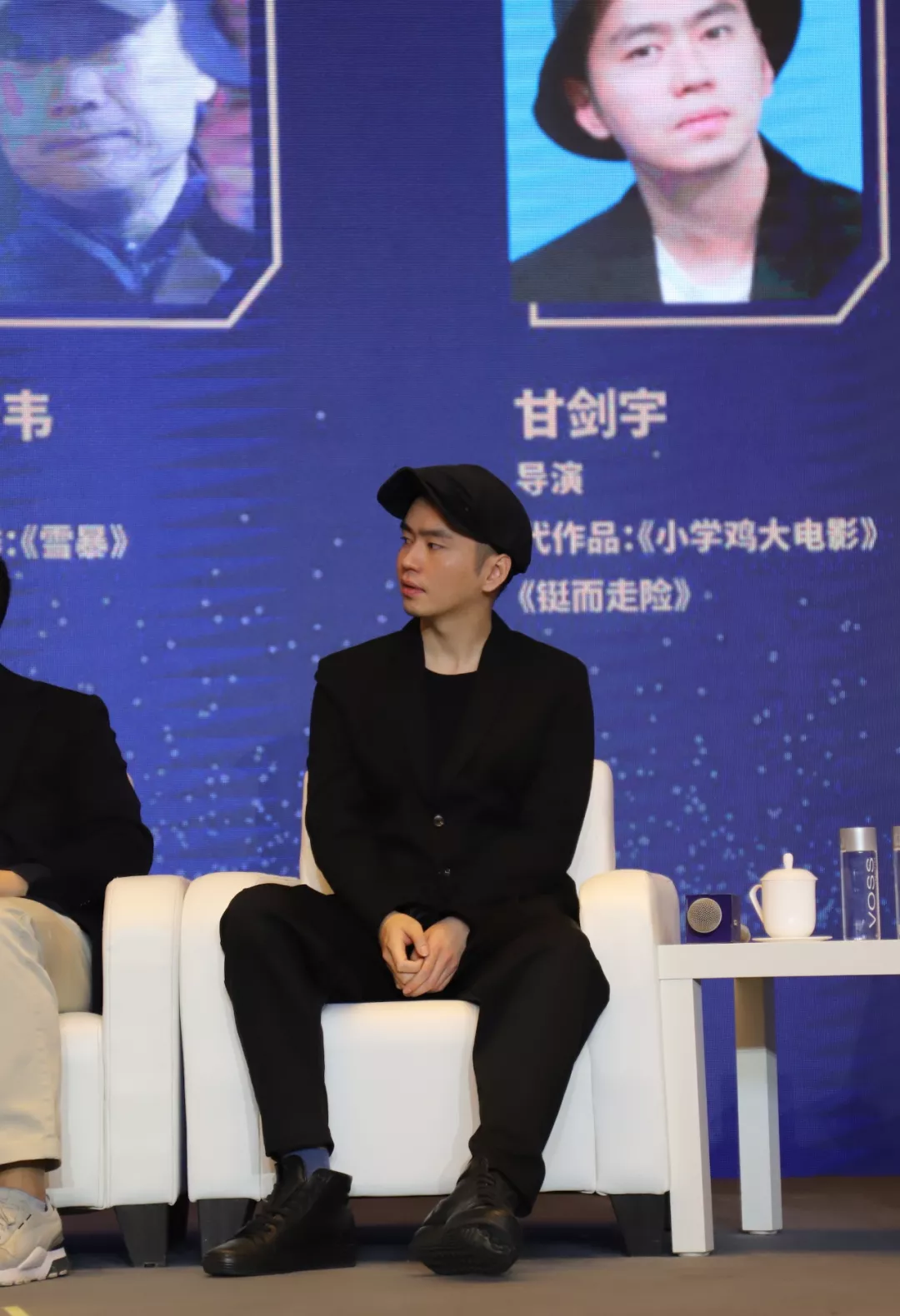
Director Gan Jianyu
Gu Xiaogang brought his film Dwelling in the Fuchun Mountains to the festival. Looking back on the shoot, he said the biggest difficulty was raising money: “I wanted to tell a story of the four seasons along the Fuchun River in my hometown, Hangzhou, and dug myself a big hole. When many producers heard that most of the actors were my relatives and that the shoot would take a year, they thought it was an art film by a new director, and that was the end of it. When we took part in project markets, every talk with a producer was like dating: the dating went well, but when it came to interests and getting the marriage licence, it didn’t work. So in the first year we found no money and tried all kinds of ways, including borrowing from friends, until in the second year we met a suitable production company and completed the film.” After Dwelling in the Fuchun Mountains was well received, Gu Xiaogang is preparing a new work, and he said that finding investment is now much easier.
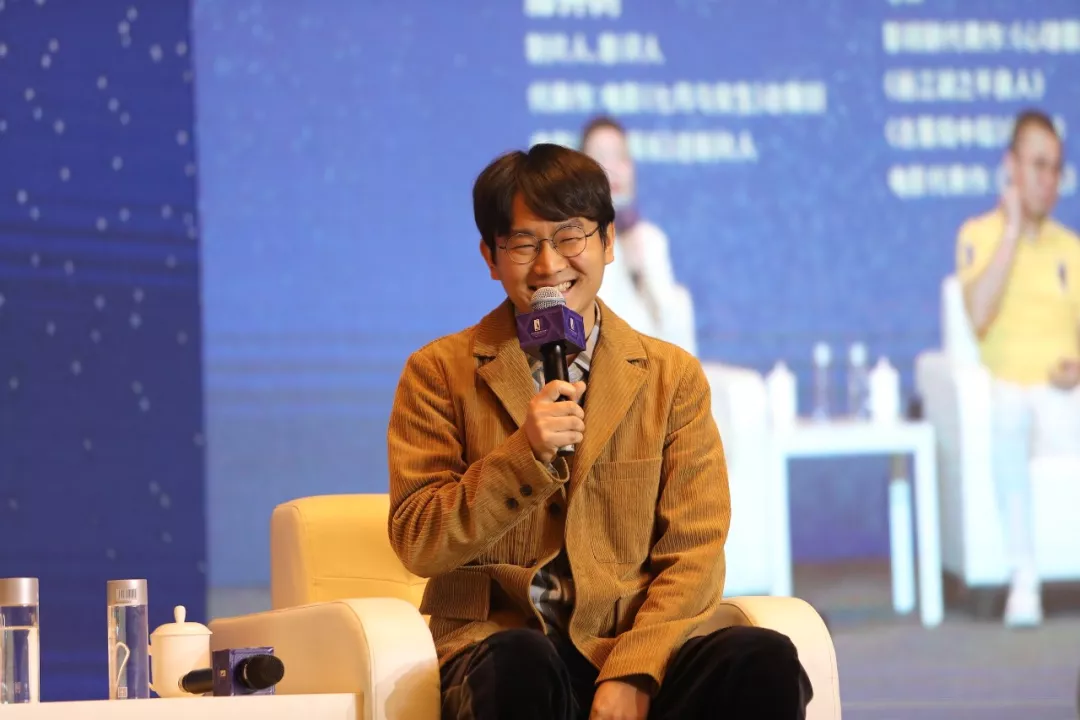
Director Gu Xiaogang