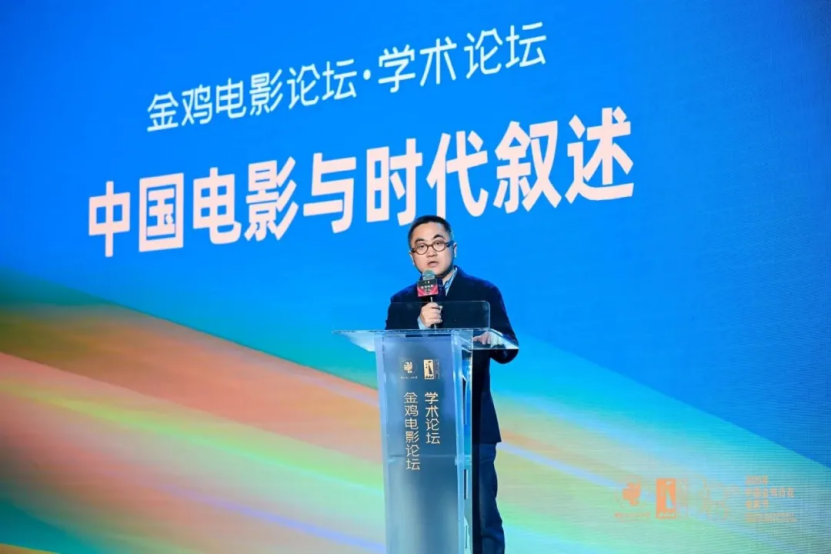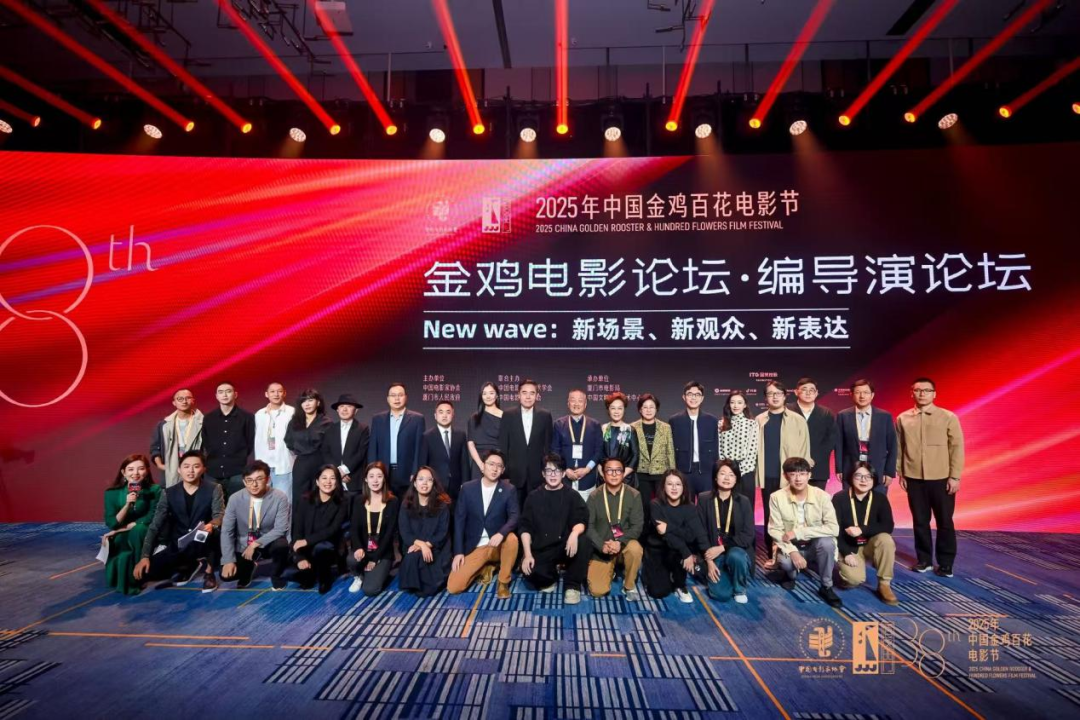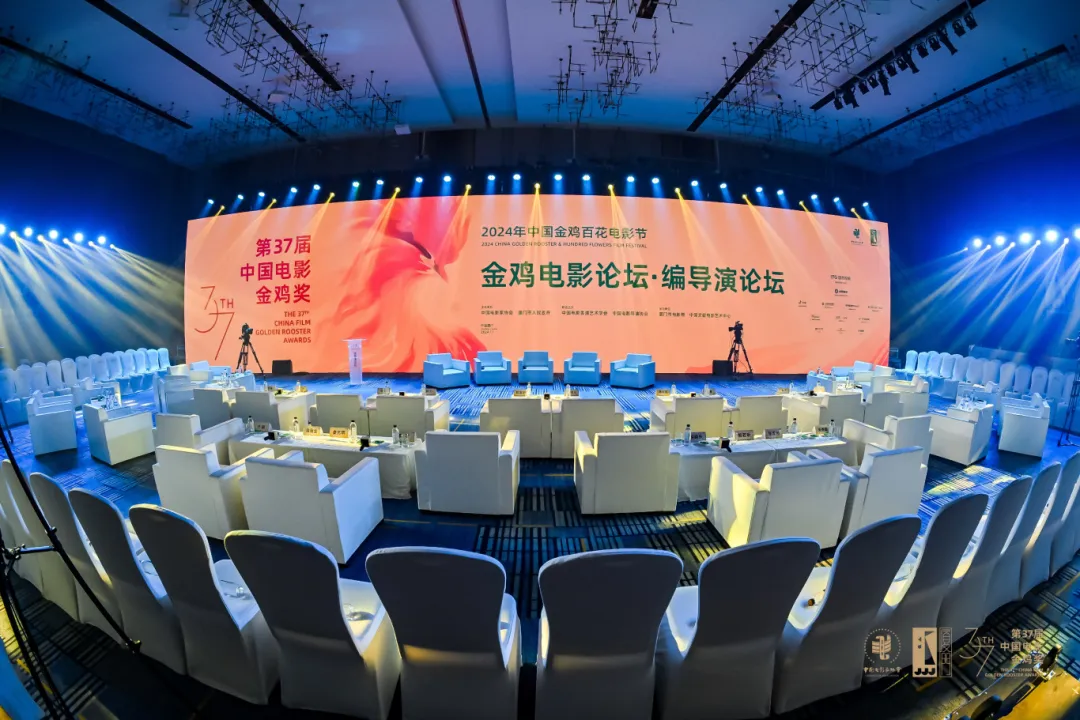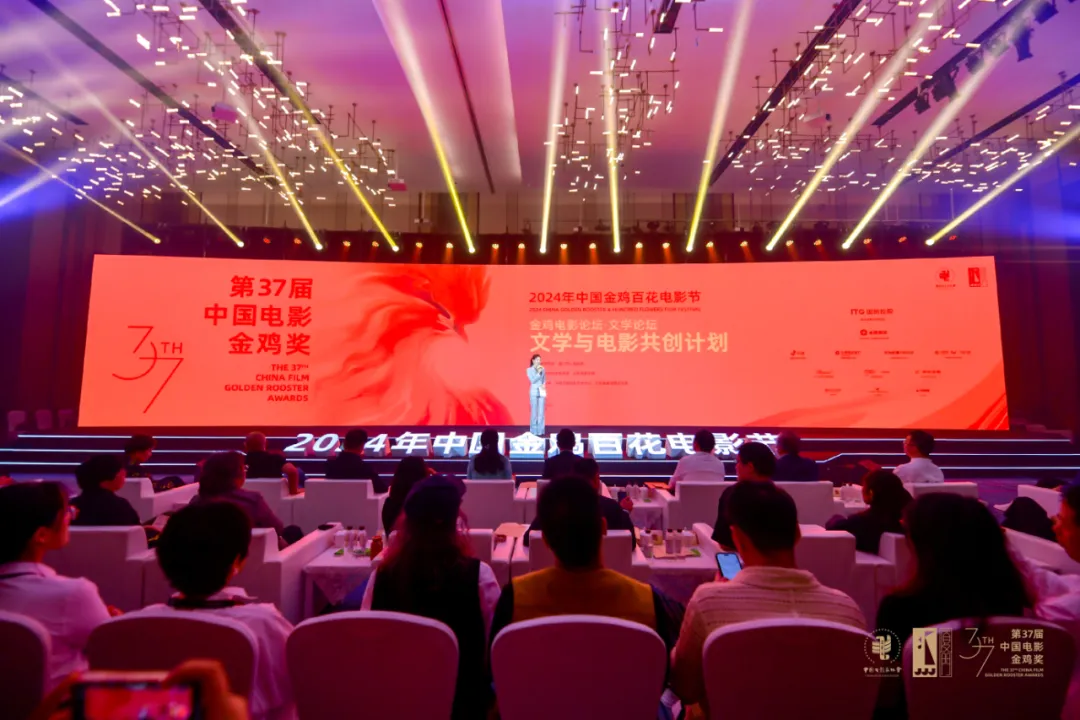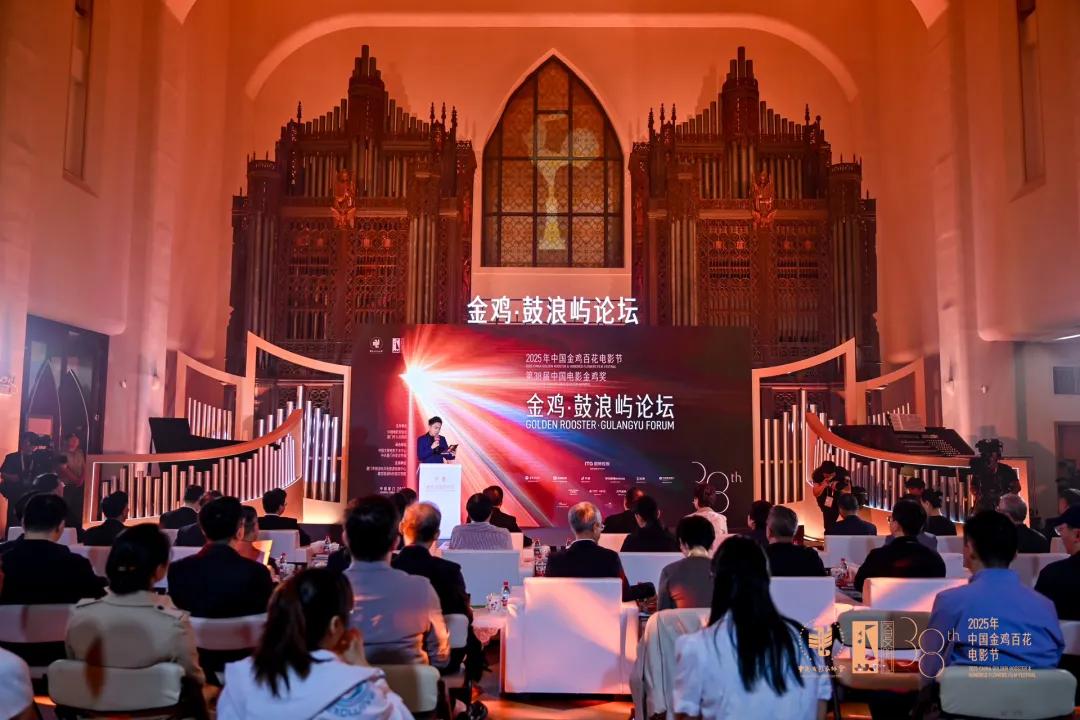
Waves lap gently against Gulangyu, the “Piano Island”, and the afternoon sun casts a filter of light and shadow over this island of music. At the Organ Art Center, a symphony of ideas about the future of cinema was about to begin. On the afternoon of November 13, the Golden Rooster Awards · Gulangyu Forum, the main forum of the China Golden Rooster & Hundred Flowers Film Festival, was held here.
As the whole Party and the whole nation study and implement the guiding principles of the Fourth Plenary Session of the 20th CPC Central Committee and work to stimulate the cultural innovation and creativity of the entire nation, the Golden Rooster Awards · Gulangyu Forum took “Film and New Quality Productive Forces” as its theme. Organized in three sessions (keynote speeches, thematic presentations and the Gulangyu Releases), it brought together leading guests from film art, industry practice and academic research for a distinctive exchange.
Technological Empowerment The Changing Landscape of the Film Industry
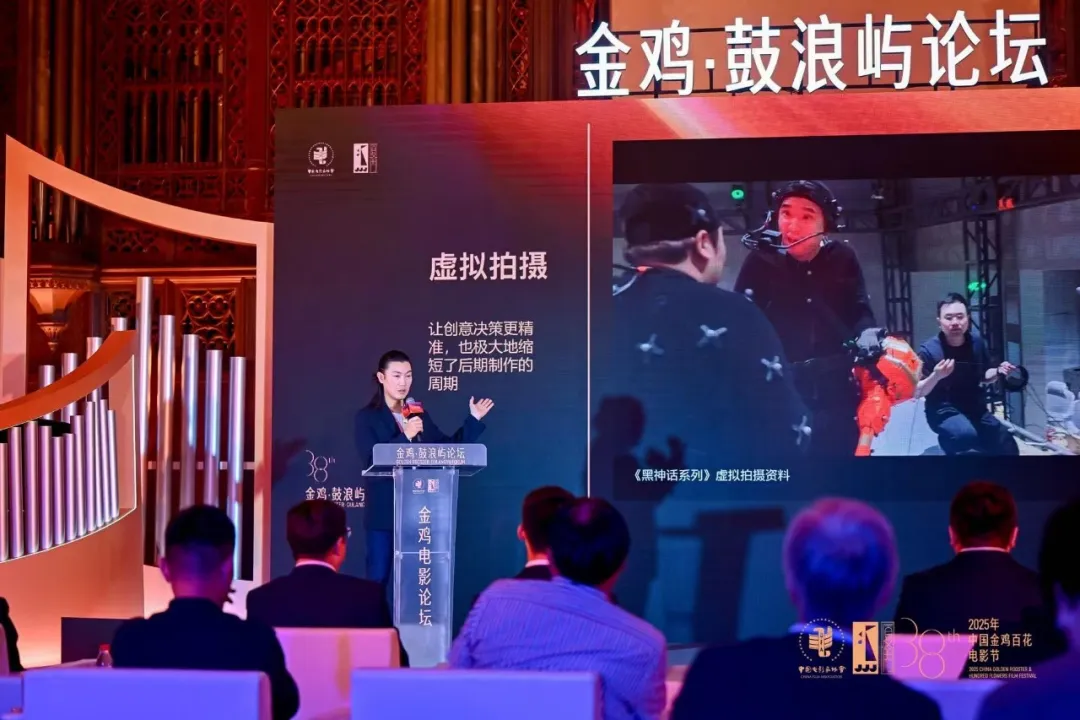
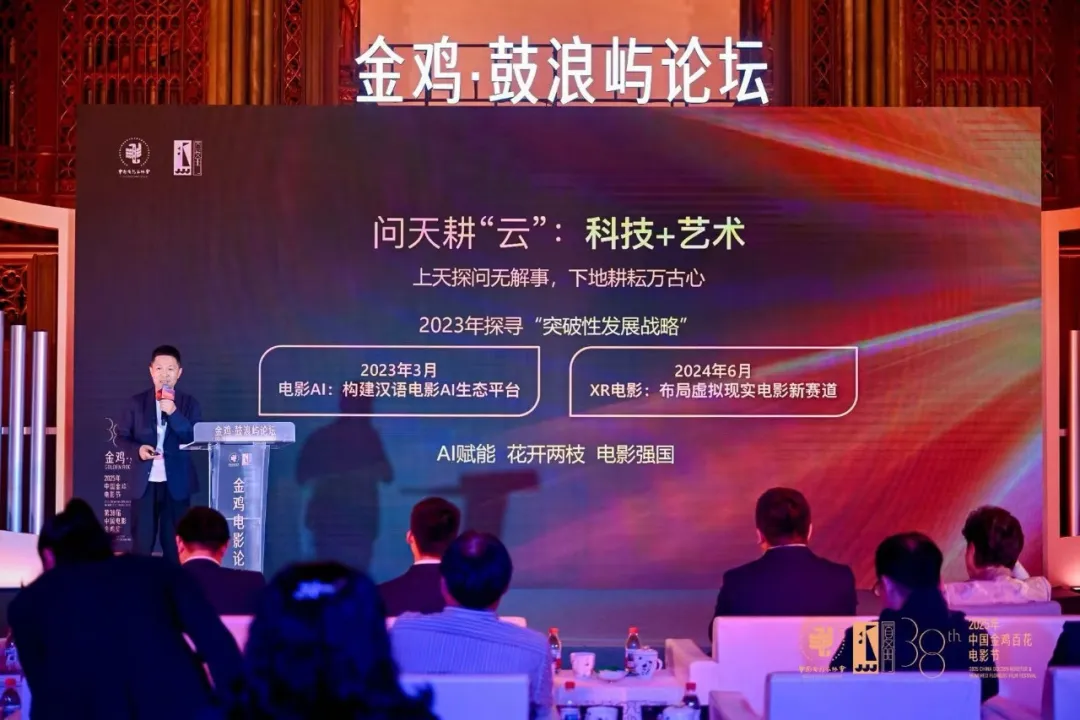
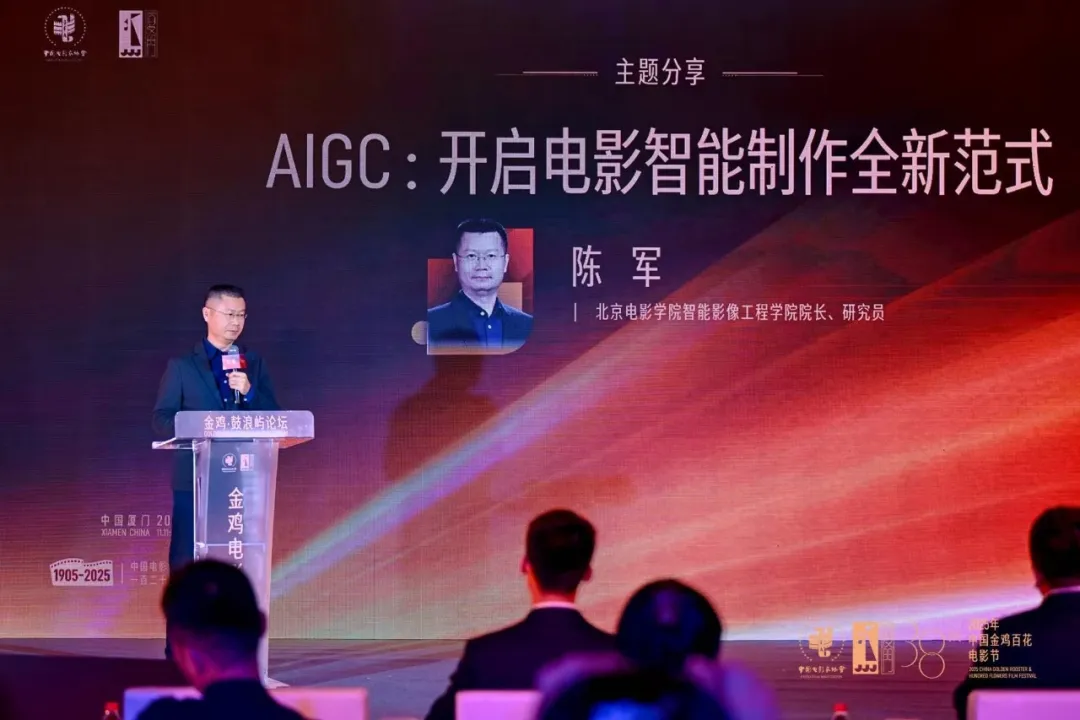
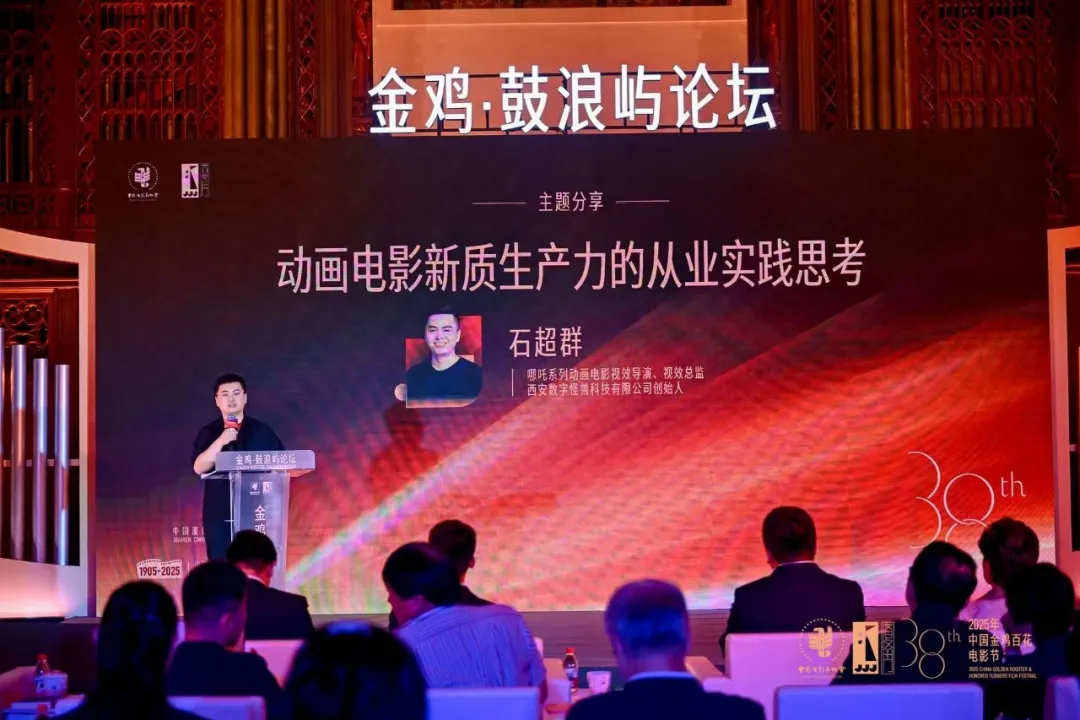
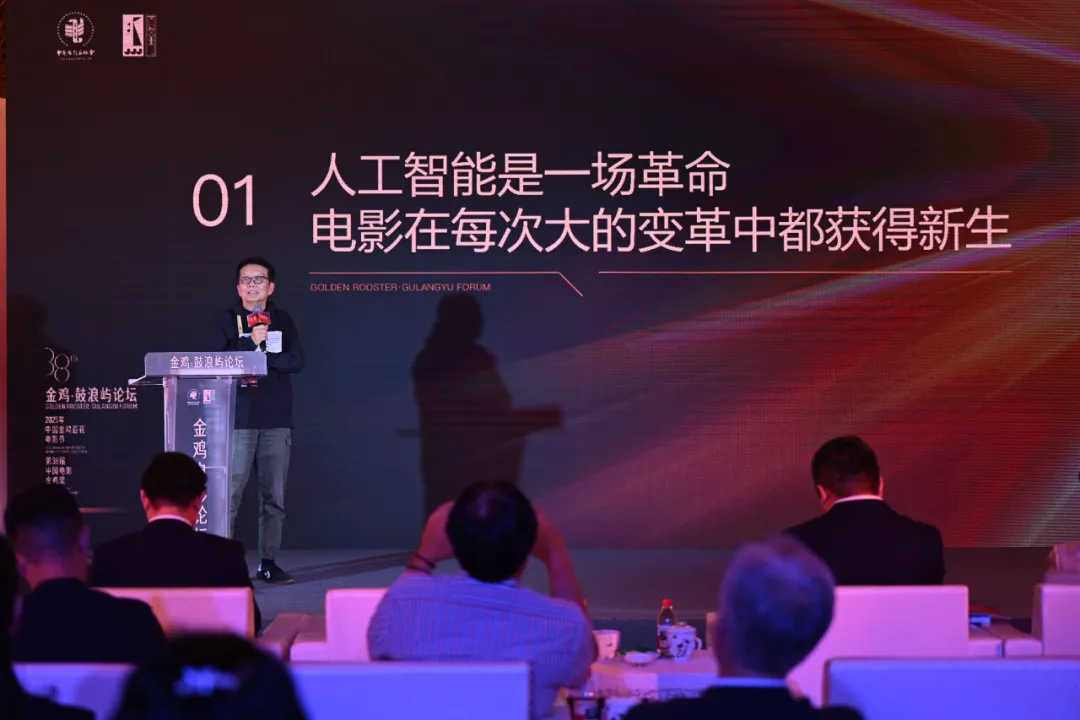
Driven by successive waves of technology, the film industry is undergoing a systematic transformation from tool innovation to process re-engineering, and cutting-edge technologies such as virtual production and artificial intelligence are now deeply integrated into the whole creative process. Wei Ming, co-founder and visual effects director of Mojing Tianhe (Wuxi) Digital Image Technology Co., Ltd., said that virtual production and artificial intelligence have evolved from tools into core forces empowering the entire process, enabling precise control of creative decisions and improving production efficiency across the board. He pointed out that virtual production not only presents scene effects in real time but also enables collaborative creation across regions, while artificial intelligence is reaching into script analysis, shot optimization and visual effects generation, reshaping the model of human-machine collaboration. In the field of artificial intelligence, Zhao Wentao, Party Secretary and Chairman of Western Film Group Co., Ltd., described how the “Chinese-Language Film AI-Assisted Creation Platform”, whose development he has led, is fundamentally changing the creative paradigm. The platform can already “break down a 50,000-character script in five minutes and generate a storyboard in twenty minutes”, freeing creators from tedious technical work so that they can focus on core creative ideas. Chen Jun, Dean of the School of Intelligent Imaging Engineering at the Beijing Film Academy, said that AIGC technology is overturning the traditional linear production model and enabling films to go directly from idea to finished work. He also noted that “human empathy cannot be replaced”, and that a performance system based on human-machine collaboration will take shape in the future. Drawing on ten years of development in the animation industry, Shi Chaoqun, founder of Xi’an Digital Monster Technology Co., Ltd., said that the core of the technological leap lies in standardization and ecosystem collaboration. Reviewing the industrialization process from Kuiba to Ne Zha 2, he stressed that industrialization is not the piling up of manpower, but the gathering of dispersed creativity into a sustainable industrial ecosystem through unified interfaces and data sharing.
Humanistic Commitment Anchoring Values amid the Tide of Technology
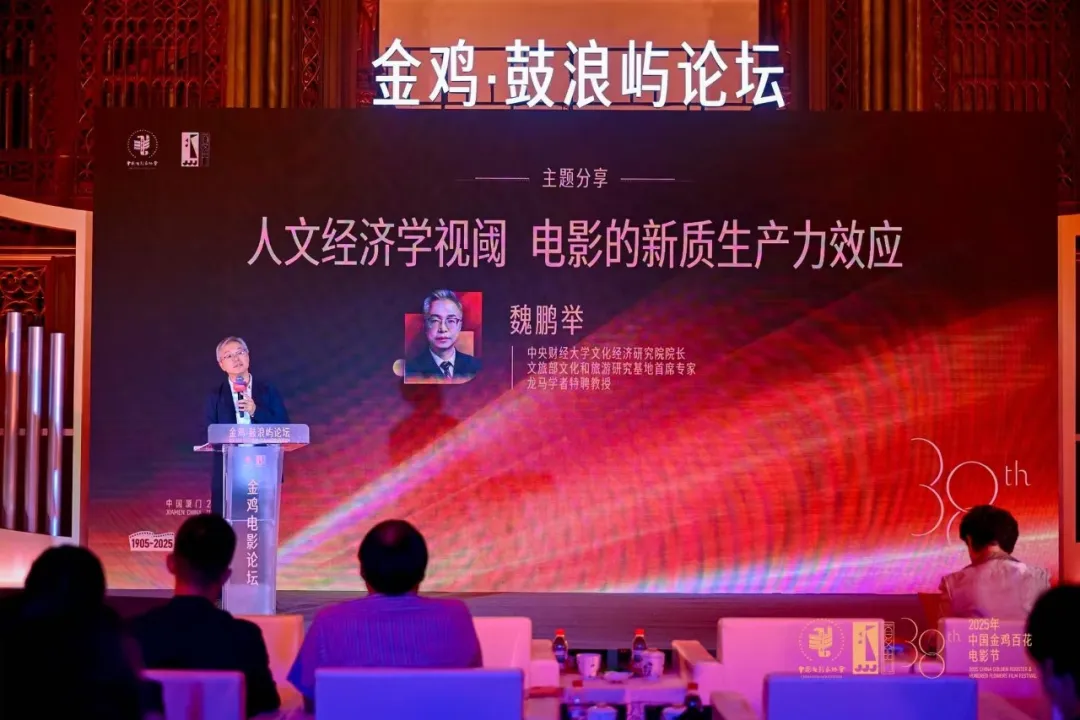
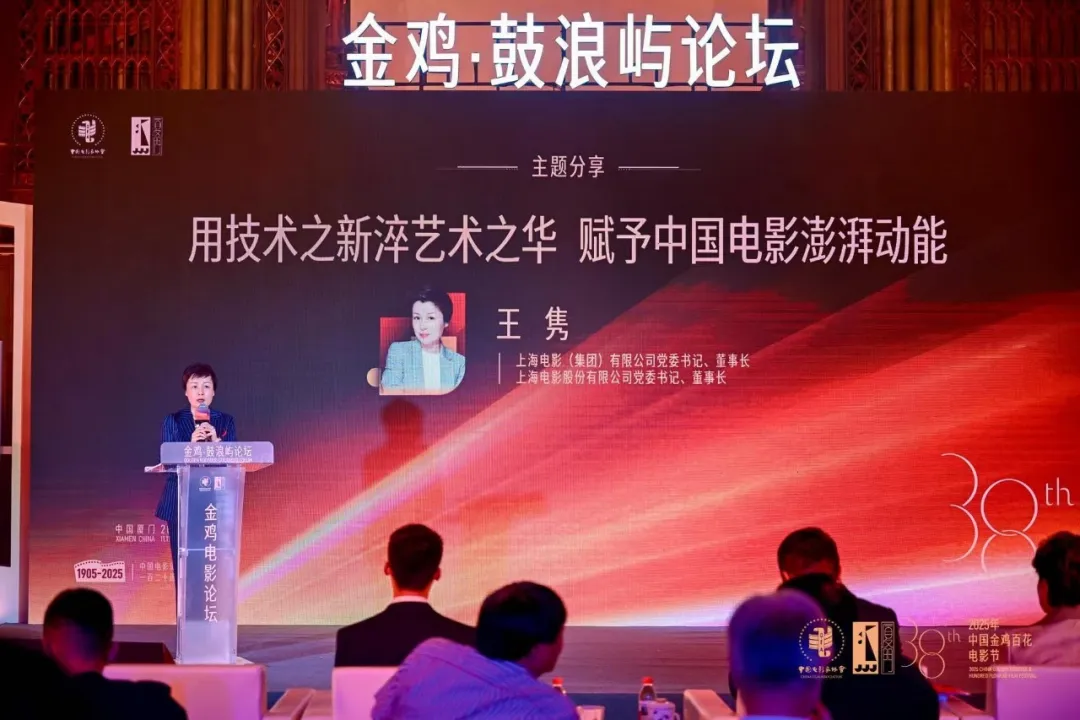
In the face of rapid technological development, the guests agreed that the humanistic spirit is the unshakable foundation of the art of film, and that the essence and original aspirations of creation must be upheld in the course of innovation. Wei Pengju, Director of the Institute of Cultural Economics at the Central University of Finance and Economics and Chief Expert of a Ministry of Culture and Tourism culture and tourism research base, said that new quality productive forces should be “purposive” productive forces whose fundamental goal is to serve the people’s aspiration for a better life. He noted that “humanistic values are both a yardstick and a driving force”, and that at a time when algorithmic dominance and technological alienation are increasingly evident, film has kept its humanistic quality and become the anchor of values for the audiovisual industry. He further stressed that the growth of cultural creativity has no ceiling, while technology can keep lowering marginal costs; only the deep integration of the two can unleash the potential of new quality productive forces. Taking Nobody as an example, Wang Jun, Party Secretary and Chairman of Shanghai Film Group Co., Ltd., illustrated the creative principle of “mastering technology without showing it off”. She noted that behind the film’s box office of more than 1.7 billion yuan lies a close combination of a sincere commitment to good storytelling and the creative ability to use technology well, and stressed that however precise algorithms become, they cannot replace emotional resonance, the meeting of minds and empathy for human nature. Huang Jianxin, director, producer and screenwriter and Dean of the School of Film at Xiamen University, spoke from his experience in education. He pointed out that young creators, in their coexistence with AI, are redefining the subjectivity of artistic creation; technology is bringing film back from a specialized field with high barriers to an art in which everyone can take part, reflecting the continuation and elevation of the humanistic spirit in the new era.
Imagining the Future Defining Film as a New Quality Productive Force for the Times
Can film become a liberating force that drives social progress? Drawing on explorations in extended reality (XR), Zhao Wentao said that XR technology is reshaping the form and experience of the cinema, moving film from “viewing” to “immersion” and making it a comprehensive medium connecting emotion and setting. He stressed that only by building an open, collaborative industry ecosystem can the potential of technology be realized to the fullest. From the perspective of industry practice, Wang Jun pointed out that the application of new quality productive forces is reshaping the economic ecosystem of film. The box office is no longer the only measure of a film; it has grown into a comprehensive film economy built on a multidimensional ecosystem. Citing Shanghai Film Group’s creation of immersive XR experiences through “AI + IP”, she explained how technology can bring classic IP “to life, into motion and into popularity”, opening a new path for realizing the value of film. From the perspective of changing times, Huang Jianxin said that in a fragmented information environment, film needs to win back audiences’ time through innovation in form. He noted that technology gives film flexibility in time and space, allowing it to deliver both long immersion and brief moments of emotion; the key is to move audiences through innovative storytelling. He called on the industry to overcome empiricism, embrace change and open up new forms of life for film as it moves from human-machine coexistence to human-machine co-governance.
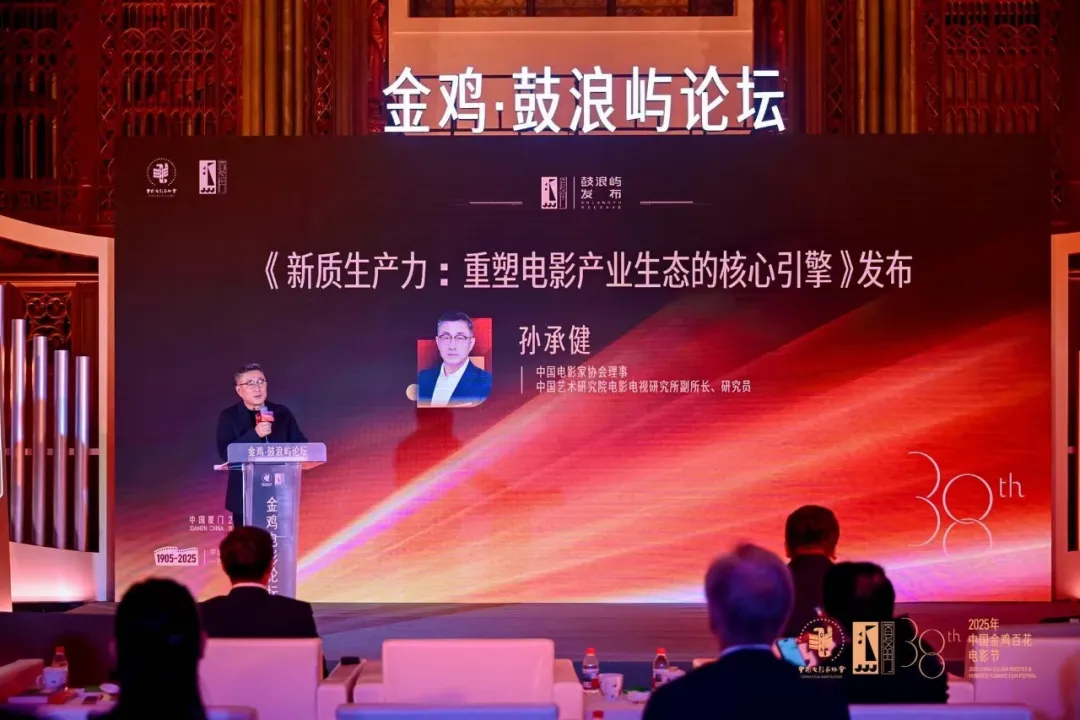
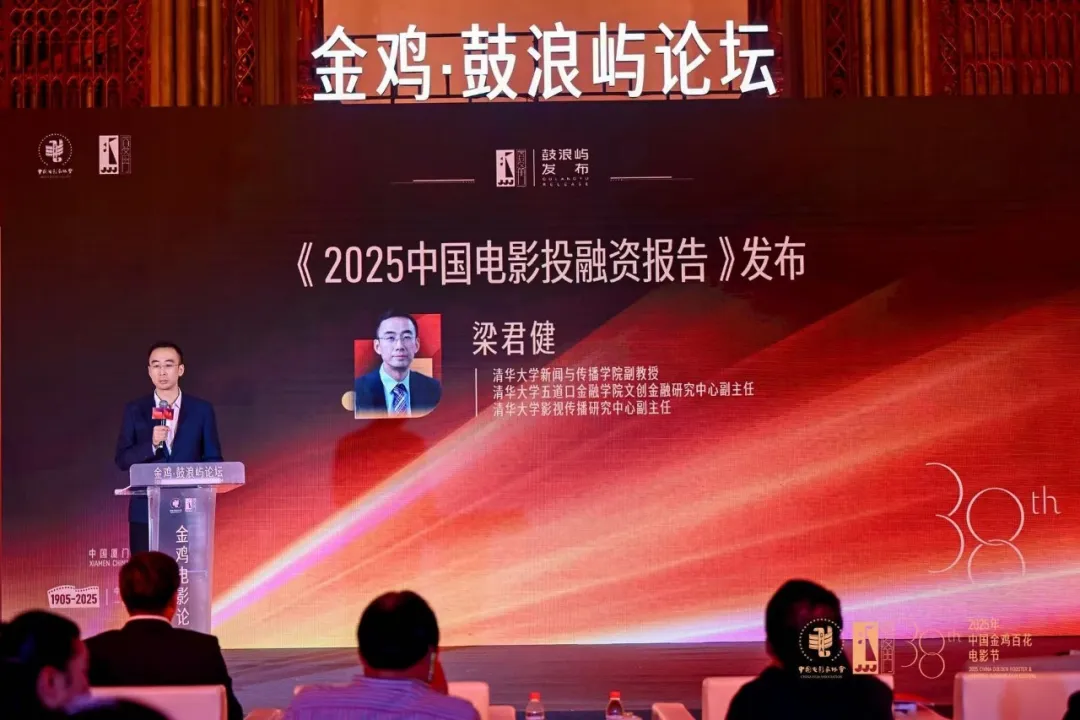
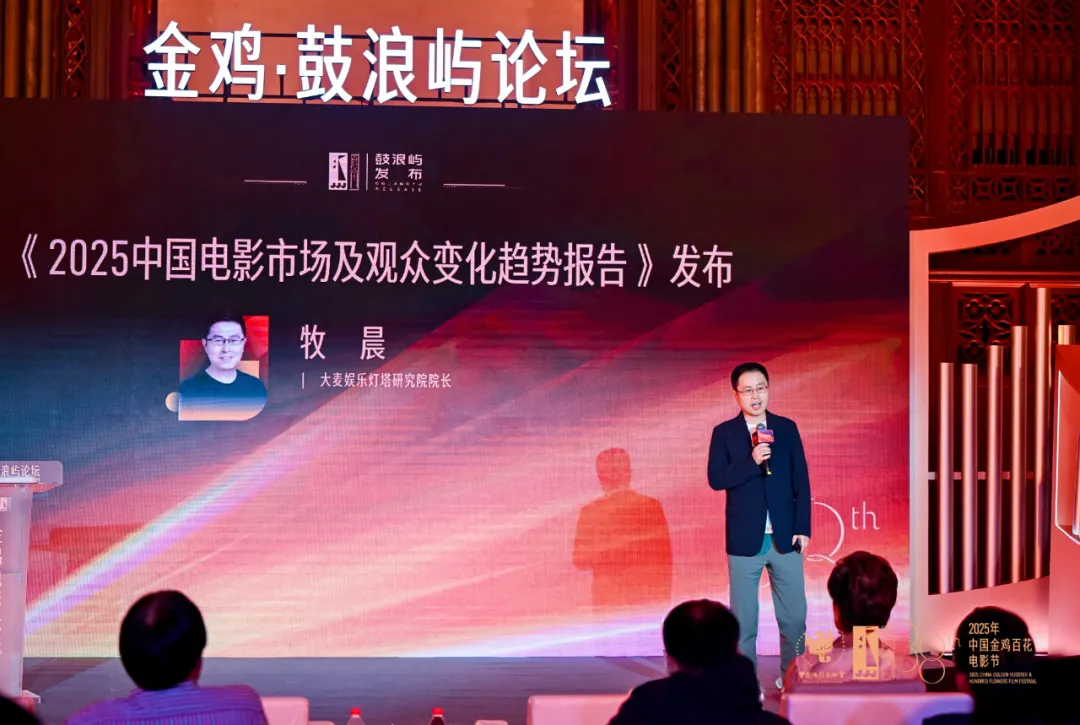
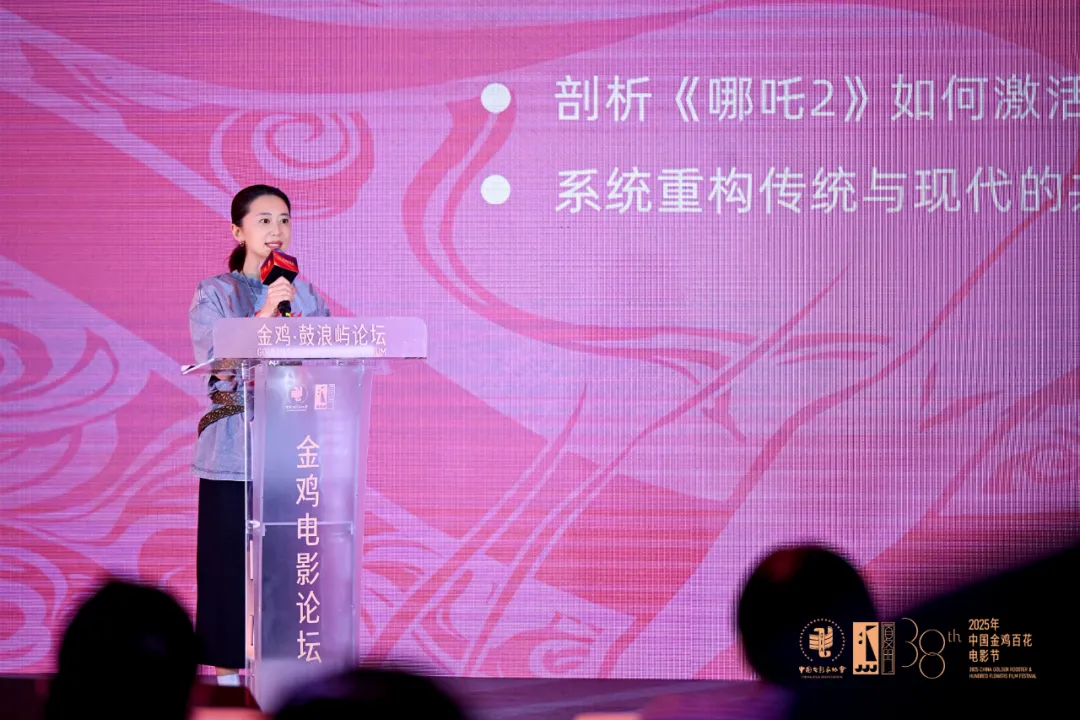
In the Gulangyu Releases session, Sun Chengjian, Council Member of the China Film Association and Deputy Director of the Film and Television Institute of the Chinese National Academy of Arts, released the report “New Quality Productive Forces: The Core Engine Reshaping the Film Industry Ecosystem”, setting out how new quality productive forces are transforming creative mechanisms, restructuring production processes and expanding industry boundaries, and leading Chinese cinema to integrate into the global cultural network with “node thinking”. Liang Junjian, Associate Professor at the Tsinghua University School of Journalism and Communication, released the “2025 Report on Investment and Financing in Chinese Film”, reviewing the year’s capital landscape and market trends in the industry. Mu Chen, Director of the Beacon Research Institute of Damai Entertainment, released the “2025 Report on Trends in the Chinese Film Market and Audiences”, analyzing structural changes in the market and in audience behavior. Wang Dan, Deputy Director of the China Federation of Literary and Art Circles Film Art Center, presented the new book Ne Zha: The Power of New Mass Literature and Art, compiled by the China Film Association under the guidance of the China Federation of Literary and Art Circles and the China Film Administration, and described how the book was compiled. The book offers a concrete case for understanding the integration of cultural creativity and industry, and responds in practice to the forum’s theme of “Film and New Quality Productive Forces”.
The forum was a practical step to study and implement General Secretary Xi Jinping’s important remarks on developing new quality productive forces and building a leading country in culture, and a systematic gathering of ideas looking to the future at a key moment as Chinese cinema enters its third sixty-year cycle. The waves never stop beating against the rocks of Gulangyu, just as Chinese filmmakers’ exploration of the future never ends. Empowering creation with technology, guarding its soul with humanism, and capturing the pulse of the times while upholding fundamental principles and breaking new ground: as film meets new quality productive forces, Chinese cinema is writing a screen epic of the future, with mountains and seas as its scroll and its original aspirations as its brush.