Forum on a Century of Children’s Film: Exploring the Path of Chinese Children’s Film in the New Period
On the morning of November 12, the “From Humble Beginnings to Lasting Achievement: Forum on a Century of Creation and Development of Chinese Children’s Film”, part of the Golden Rooster Film Forum of the 2022 China Golden Rooster & Hundred Flowers Film Festival, was held in Xiamen, Fujian. It was co-hosted by the China Film Association and the Xiamen Municipal People’s Government, and organized by the Film Art Center of the China Federation of Literary and Art Circles and the Children’s Film Committee of the China Film Association.
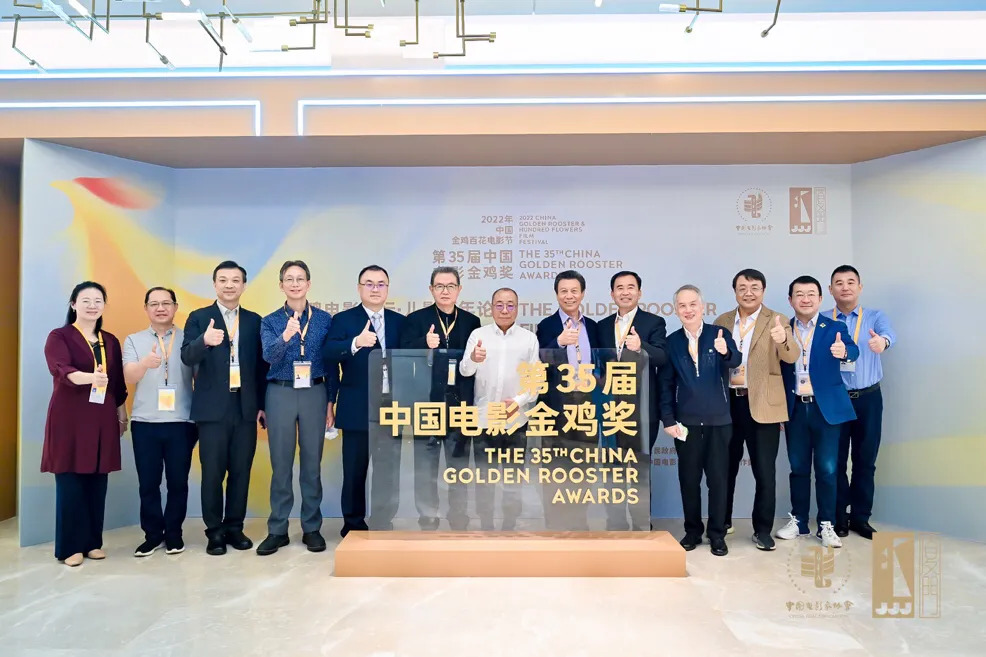
Guests at the forum
Attendees included Yang Buting, former chairman of China Film Group; Yin Li, vice chairman of the China Film Association; Cao Jun, member of the Leading Party Members’ Group and deputy secretary-general of the China Film Association; Hou Keming, honorary president of the China Children and Youth Film Association; Huang Jun, president of the China Children and Youth Film Association; Cao Xiaohui, vice dean of the China Animation Research Institute of the Beijing Film Academy; Zhang Kai, director of audio and video industry development at Huawei; Ding Liang, vice president of Fantawild Holdings and director; Fang Gangliang, associate professor in the Directing Department of the Beijing Film Academy and director; Pan Xu, deputy Party secretary and deputy general manager of Wuhan Cultural Investment Group; and Meng Zhong and Wang Chun, secretaries-general of the Children’s Film Committee of the China Film Association. The forum was moderated by Zheng Hu, president of the Children’s Film Committee of the China Film Association and research fellow of the National Film Think Tank.
2022 marked the 100th anniversary of the birth of Chinese children’s film. Over the past century, Chinese filmmakers, starting from humble beginnings and persevering, have produced many fine Chinese children’s films that hold a notable place in film history. As the whole country studies and implements the guiding principles of the 20th CPC National Congress, the forum invited creators, producers and researchers of children’s film to showcase the achievements of filmmakers over the century of children’s film, encourage more fine filmmakers to carry this work forward, trace the artistic achievements and creative experience of Chinese children’s film in different historical periods, and explore paths for its innovative development and revitalization in the new era.
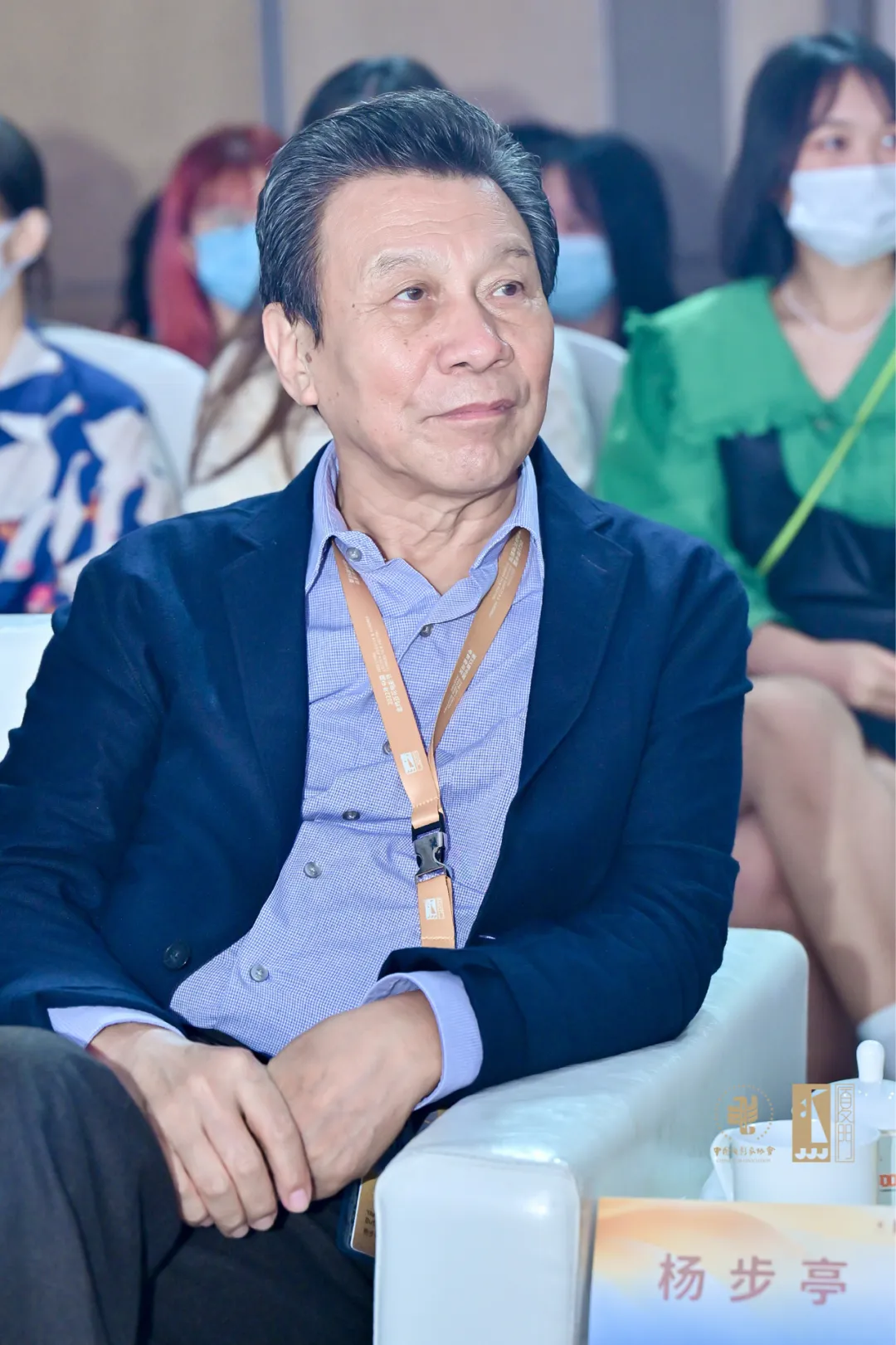
Yang Buting, former chairman of China Film Group
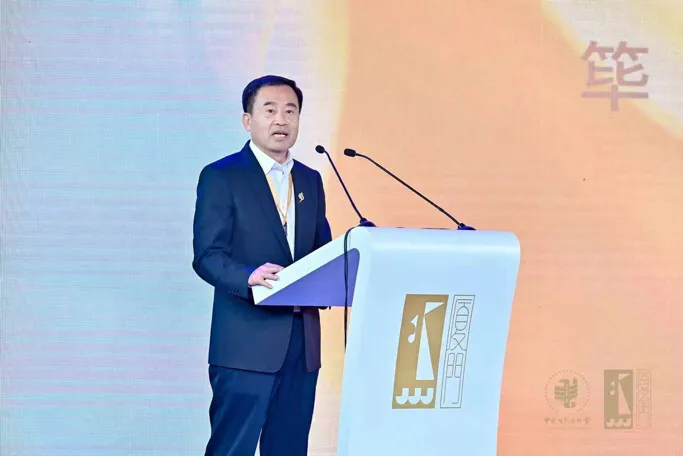
Zheng Hu, president of the Children’s Film Committee of the China Film Association and research fellow of the National Film Think Tank
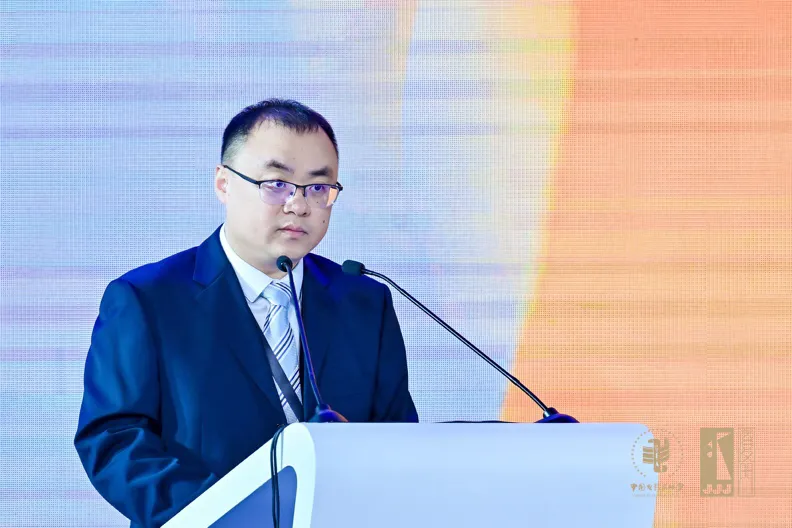
Cao Jun, member of the Leading Party Members’ Group and deputy secretary-general of the China Film Association
In his address, Cao Jun said the forum earnestly implements the guiding principles of General Secretary Xi Jinping’s important instructions on advancing literature and art. It invited leading figures in the industry to hold in-depth dialogues from multiple angles, including industry integration, filmmaking, academic debate and talent development, to jointly mark the centenary of Chinese children’s film, look back at its history and ahead to its future, and discuss how Chinese children’s film can upgrade and develop on its new journey following the successful convening of the 20th CPC National Congress.
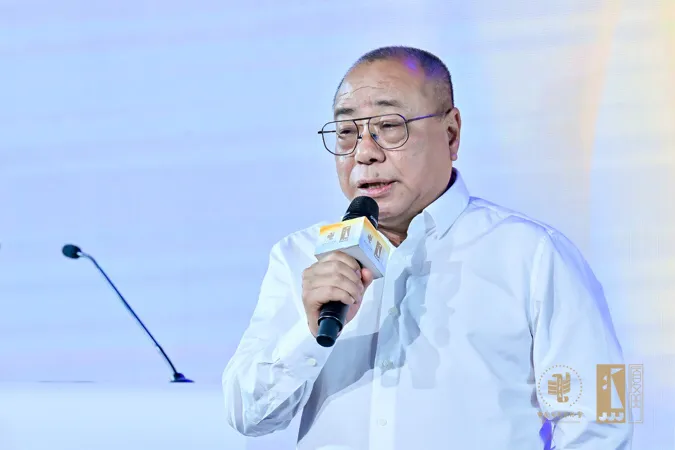
Yin Li, vice chairman of the China Film Association
In his keynote speech, Yin Li quoted the line “Those who come after will look upon our time as we look upon the past”, saying that only by looking back can we better judge the present and look to the future. At the special moment of the centenary of Chinese children’s film, discussing the past, present and future of children’s filmmaking is of particular significance. Director Yin Li himself began his career making children’s films, and he drew on his children’s film My September to share thoughts and suggestions on the creation and development of children’s film.
After the keynote speech, a short film marking the centenary of children’s film, produced by the Children’s Film Committee of the China Film Association for the forum, was screened, showing how Chinese children’s film grew from humble beginnings to lasting achievement.
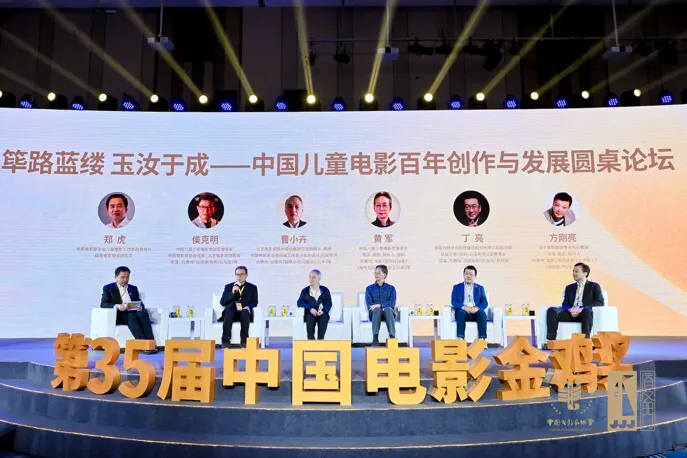
Guest roundtable
The Golden Rooster Film Forum · Forum Marking a Century of Children’s Film was carefully planned and prepared and had three parts. The first was a keynote speech on the forum’s theme of a century of creation and development of children’s film. The second commemorated the century-long history of Chinese children’s film, paying tribute to veteran artists and to the work of everyone in children’s film; the five guests also reflected on a common question: the artistic achievements, creative aims and spirit, and creative experience of children’s film over the past century. The third explored paths for the innovative development and revitalization of Chinese children’s film in the new century. In a roundtable, the five guests, Hou Keming, Cao Xiaohui, Huang Jun, Ding Liang and Fang Gangliang, shared their views from different angles, based on their creative practice in live-action or animated children’s films and their service to the industry:
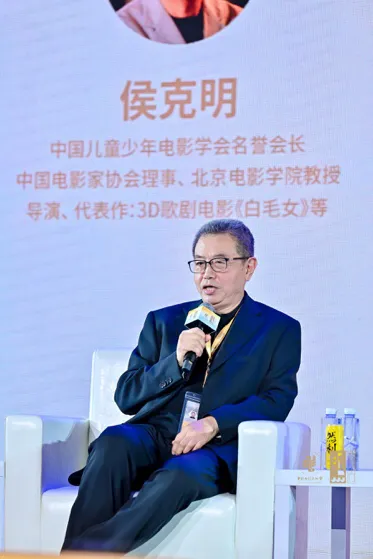
Hou Keming, honorary president of the China Children and Youth Film Association
Hou Keming said that fine children’s films are spiritual nourishment for children, and making fine children’s films for them is our most important goal. In the future, children’s film should still do its utmost to win audiences while upholding its educational function, and the whole of society, including government industry regulators, the education system, cinemas and cinema chains, should provide support in policy, channels and other areas so that children can see more children’s films.
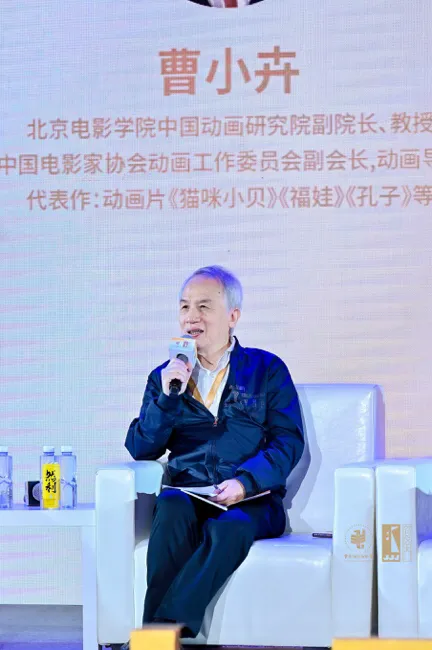
Cao Xiaohui, vice dean of the China Animation Research Institute of the Beijing Film Academy
Cao Xiaohui said that intense fight scenes, dazzling special effects and powerful sound effects are the standard formula of modern industrialized, market-driven blockbusters. He hoped that those working in children’s film would never forget its fundamental educational function, saying that we have a responsibility to pay attention to and explore warmth and love. He also stressed the entertainment and aesthetic value of children’s film beyond its educational function, and the expression of children’s film in multiple types, both live-action and animation.
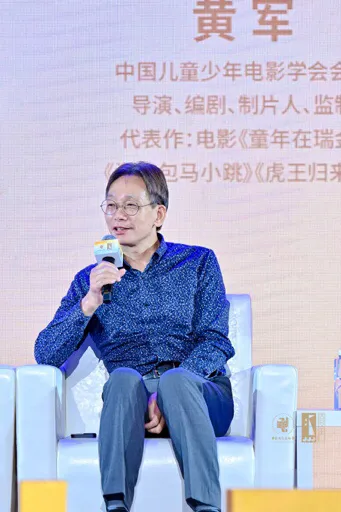
Huang Jun, president of the China Children and Youth Film Association
Huang Jun said children’s film opens a window for children, through which they can look out from the screen at the vast and ever-changing scenes of life; every detail there, every flower and blade of grass, every person and event, enters children’s hearts. Sowing the seeds of truth, goodness and beauty in children’s hearts and letting them take root, blossom and bear fruit is the highest goal of children’s film. He also stressed that children’s films must take a child’s perspective, making children the narrative subject of the whole story, to reflect children’s lives.
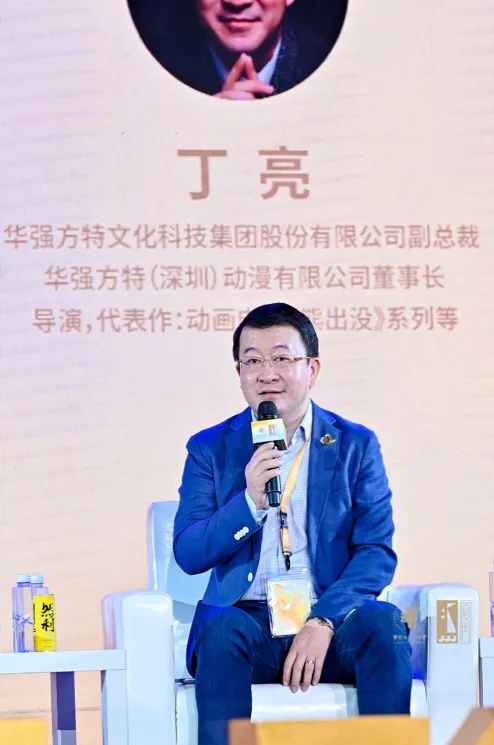
Ding Liang, vice president of Fantawild Holdings and director
Ding Liang said that all creation is in fact innovation in ideas; without it, it is hard to make good work. In the past, our expectations of children’s film centered on its educational function; today, it may be more about entertaining children and respecting their minds, sight and hearing. Making a film with a child in mind, or from a child’s point of view, gives it more depth. He also said he would keep refining the Boonie Bears children’s films, nearly ten of which have been made, and build them into an international animated film brand.
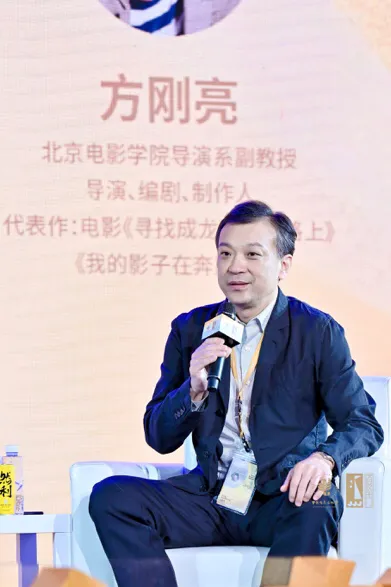
Fang Gangliang, associate professor in the Directing Department of the Beijing Film Academy and director
Fang Gangliang said that making children’s films requires a complete, high-level and mature filmmaking method and artistic expression, together with a childlike way of thinking: one must set aside one’s status, come down to a child’s level and draw on one’s most sincere and genuine feelings in creating. One also needs to consult a great deal of material. As director Ding Liang said, besides enthusiasm, it takes a lot of practical work, extensive study and research to grasp the pulse of a work.
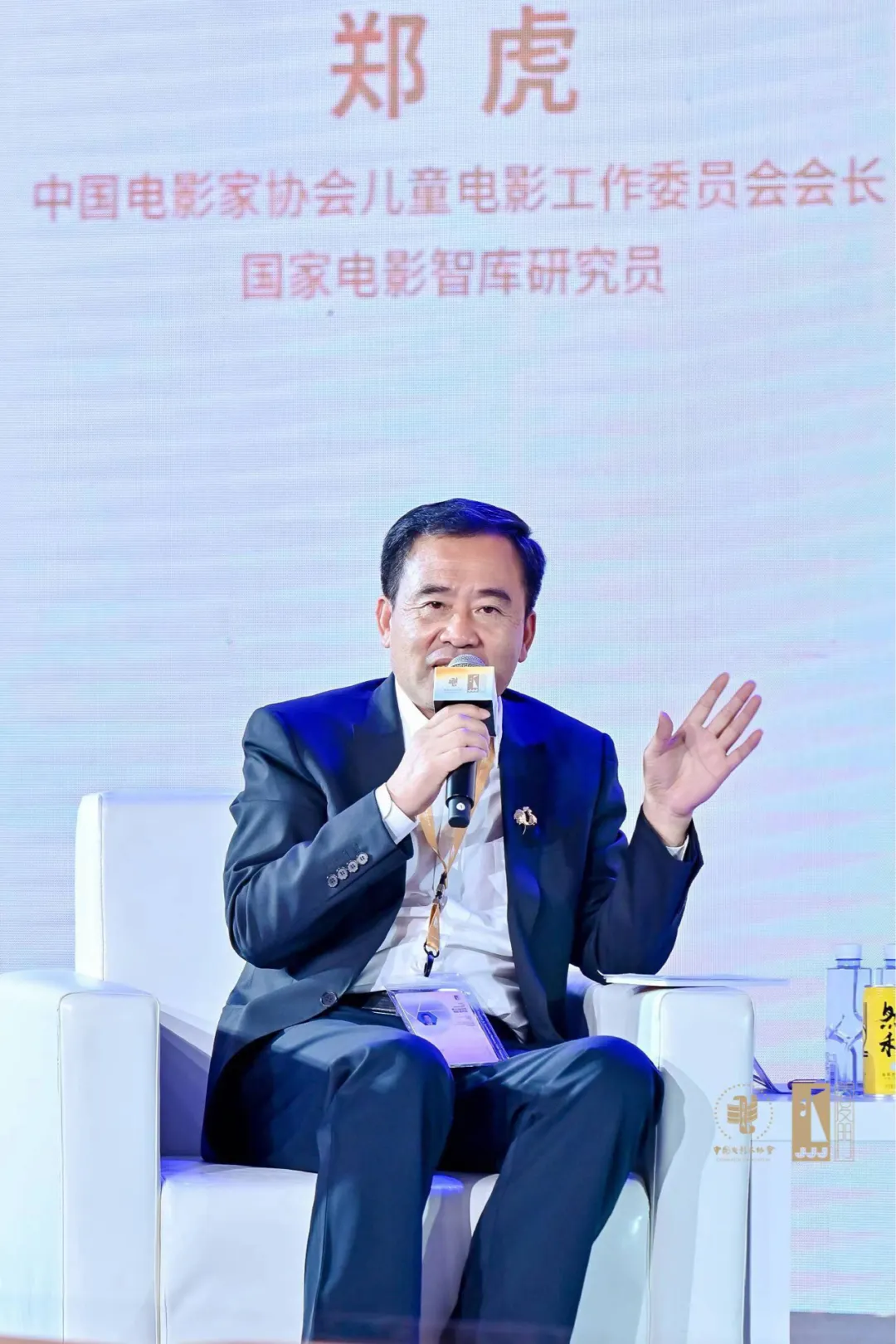
Zheng Hu, president of the Children’s Film Committee of the China Film Association and research fellow of the National Film Think Tank
Finally, moderator Zheng Hu summarized the views of the keynote speech and the five guests’ dialogue. Drawing on his many years of management, creative and operational experience at state-owned film studios, he set out two shared aspirations and hopes regarding the forum’s theme of the creation and development of children’s film:
First, those working in children’s film must carry forward the fine traditions and practices of a century of Chinese children’s film, stay true to their original aspiration, and become children’s filmmakers of the new period with conviction, dedication and a sense of responsibility. They should hone their skills, strive to achieve, and create for children with sincerity and authenticity, producing more fine Chinese children’s films that children enjoy, that comfort their hearts, accompany their growth and encourage them to develop their talents. At the same time, they should approach children’s filmmaking as both artists and educators, cultivating character and nurturing people through aesthetic education.
Second, children’s film has a strong public-welfare character, because it concerns the healthy physical and mental growth of more than 200 million children, which is no small matter. Children are the future of the country and the hope of the nation. The whole of society should pay attention to and support the creation and development of children’s film: building a social support system for Chinese children’s film, supporting and developing public-welfare funds for children’s film, strengthening and expanding the ranks of children’s filmmakers, and increasing support and awards for children’s film. To address the poor distribution channels for children’s film, on the one hand, more children’s films should be brought into schools to strengthen aesthetic education; on the other hand, a distribution and exhibition alliance or a dedicated cinema chain for children’s film could be set up in due course to solve the “last mile” problem in distributing and screening children’s films, so as to build a healthy social ecosystem for the development of children’s film.
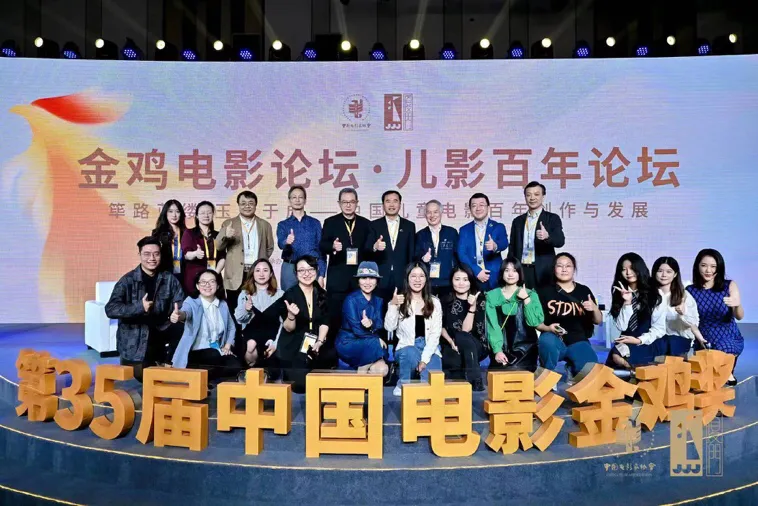
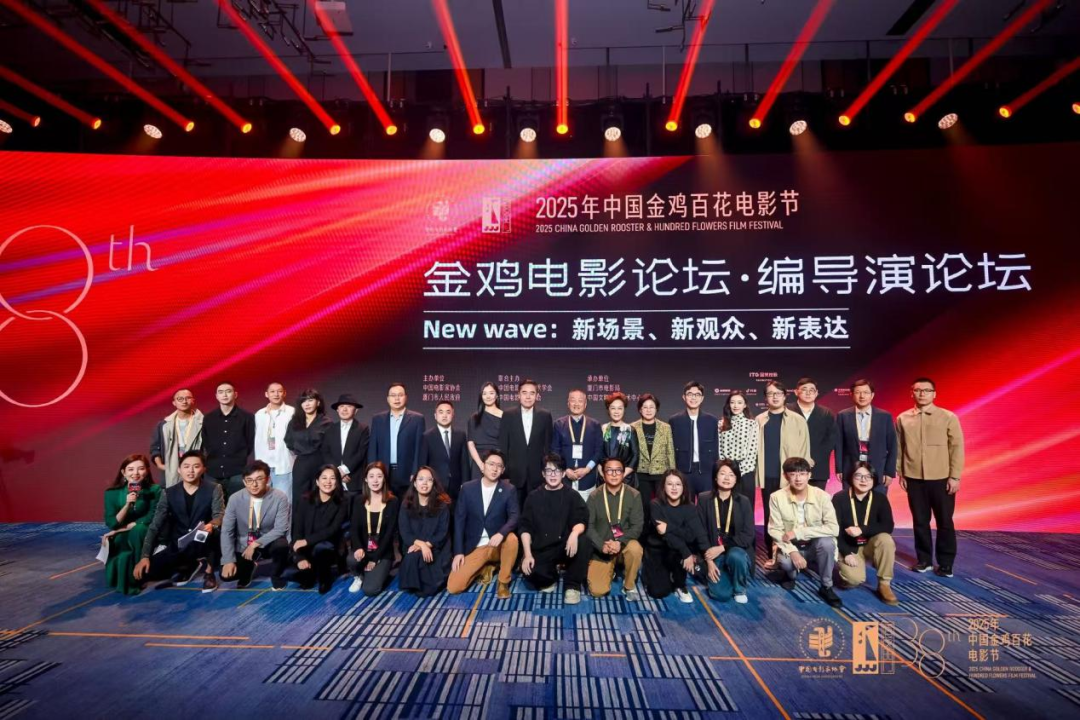
Group photo of guests and audience representatives