Since GRIFF Industry was founded in 2023, its sections have matured and their roles have become ever clearer, and the Golden Rooster Film Academy has always focused on what young creators need now. This year’s three sessions centered on AI, story and filmmaking, bringing first-hand experience straight into the classroom: for young creators, and for the next possibility of Chinese cinema.
On November 8, the second day of GRIFF Industry, three Golden Rooster Film Academy sessions were held on topics that matter to young creators. At a time of deep change in both the market and technology, how should young creators view new technologies and the shifts they bring? These three sessions may help their “next film” stand on firmer ground.
Golden Rooster Film Academy: AI Workshop for Young Directors
AI is rapidly entering every stage of film and TV production and has become an unavoidable new subject for young creators. At the first session of the day, Lan Tian, creative director for Seedance 2.5, gave a hands-on class for young creators. A director who came up through the Golden Rooster Short Film Season, he returned to the academy as a “senior classmate”. Moving from short films to a professional career, he then walked through two approaches: fully AI-generated filmmaking, which completes a film with image and video models, and “Actor + AI World”, which places live actors inside an AI-generated world. Using officially released works, he broke the design of characters, sets and props, the exploration of visual style, shot testing and repeated generation down into steps anyone can try, and said frankly that “the more you intervene, the stronger the authorship”. AI has not weakened the author, he said; instead it gives young creators more room to experiment and fail.
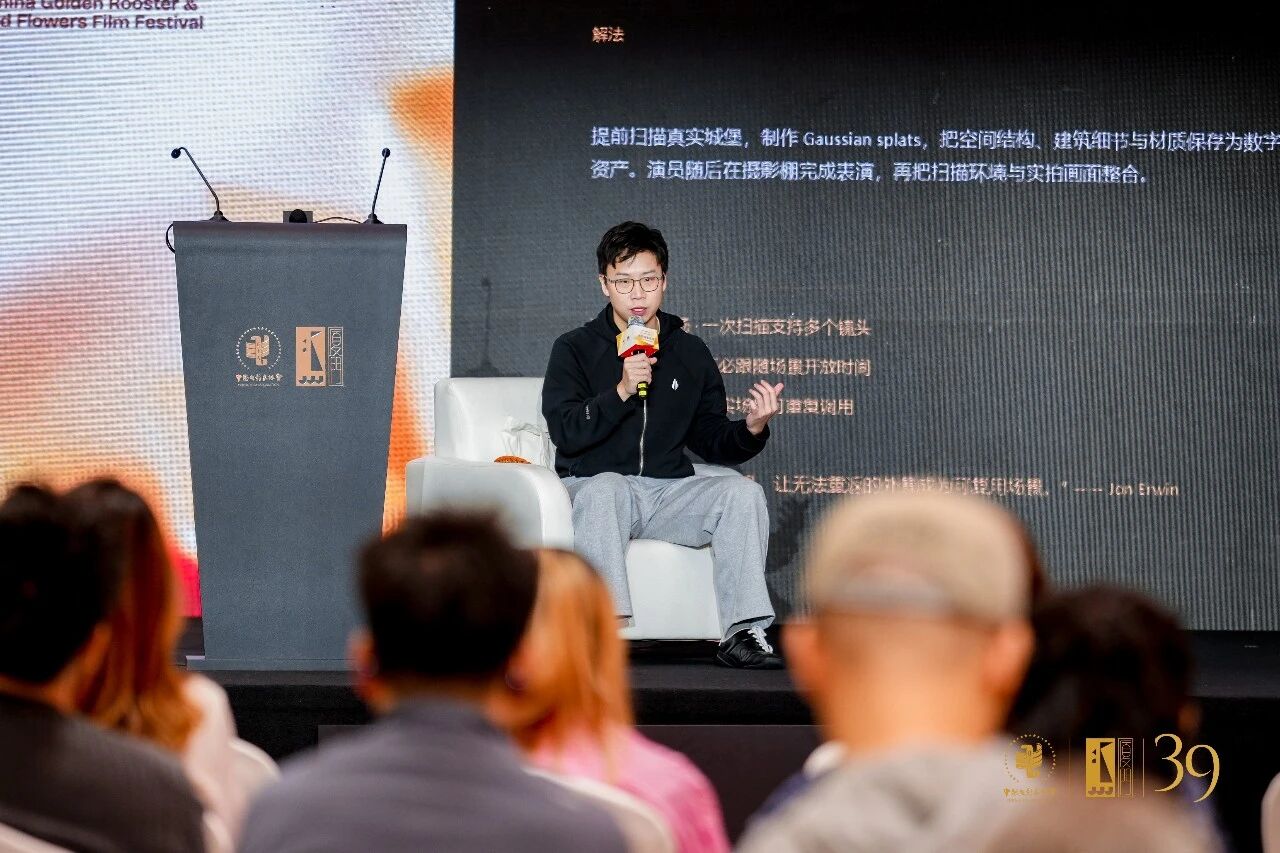
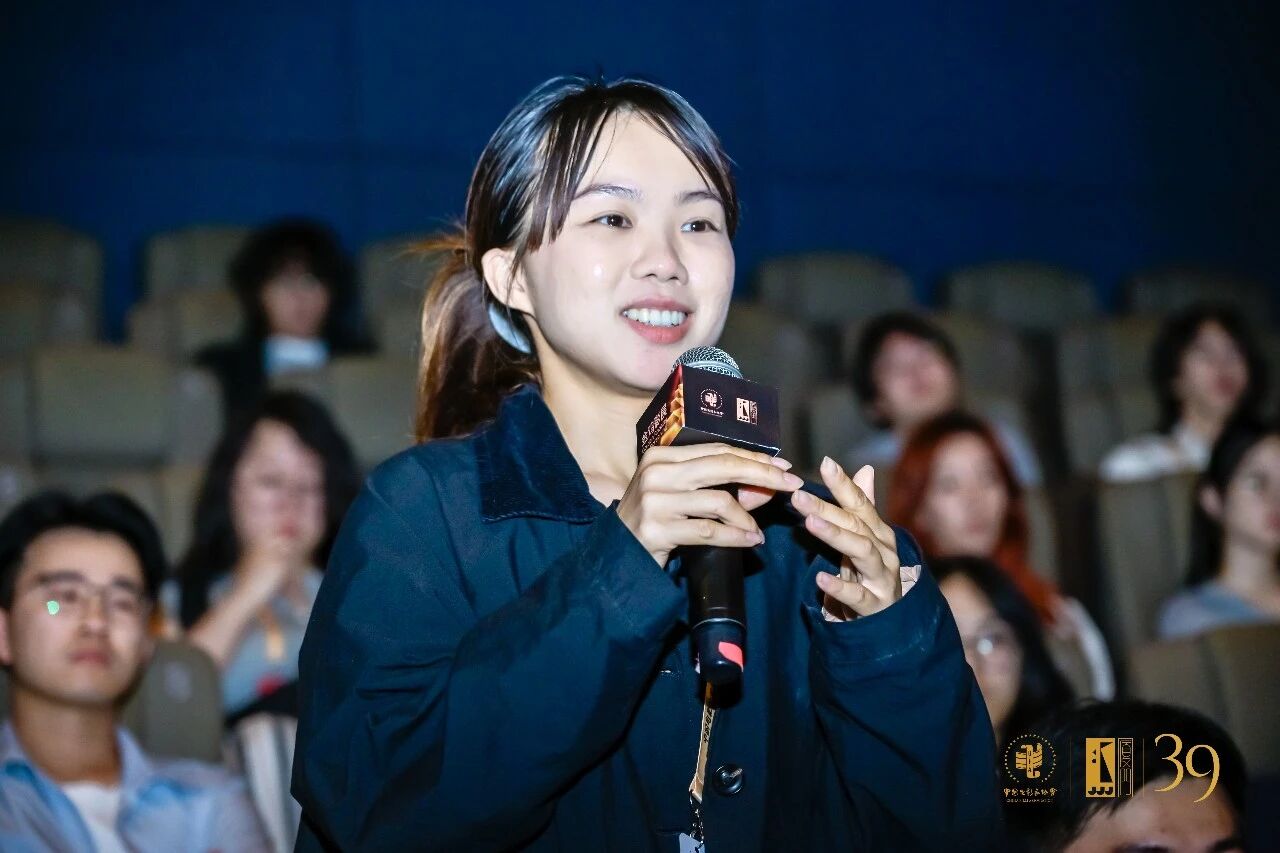
The audience took notes eagerly and the Q&A was lively. Lan Tian offered ideas on practical problems one by one, from repeated faces among background extras to blocking, blending styles and controlling dialects, while the audience’s questions brought easily overlooked difficulties to the surface, creating a two-way exchange between frontline creators and the technical team. This may be the value of such a class: the Golden Rooster Film Academy puts cutting-edge tools, real methods and young creators at the same table, so that experience is passed on and young filmmakers’ imagination is taken seriously.
Golden Rooster Film Academy: From Local Stories to the World’s Screens
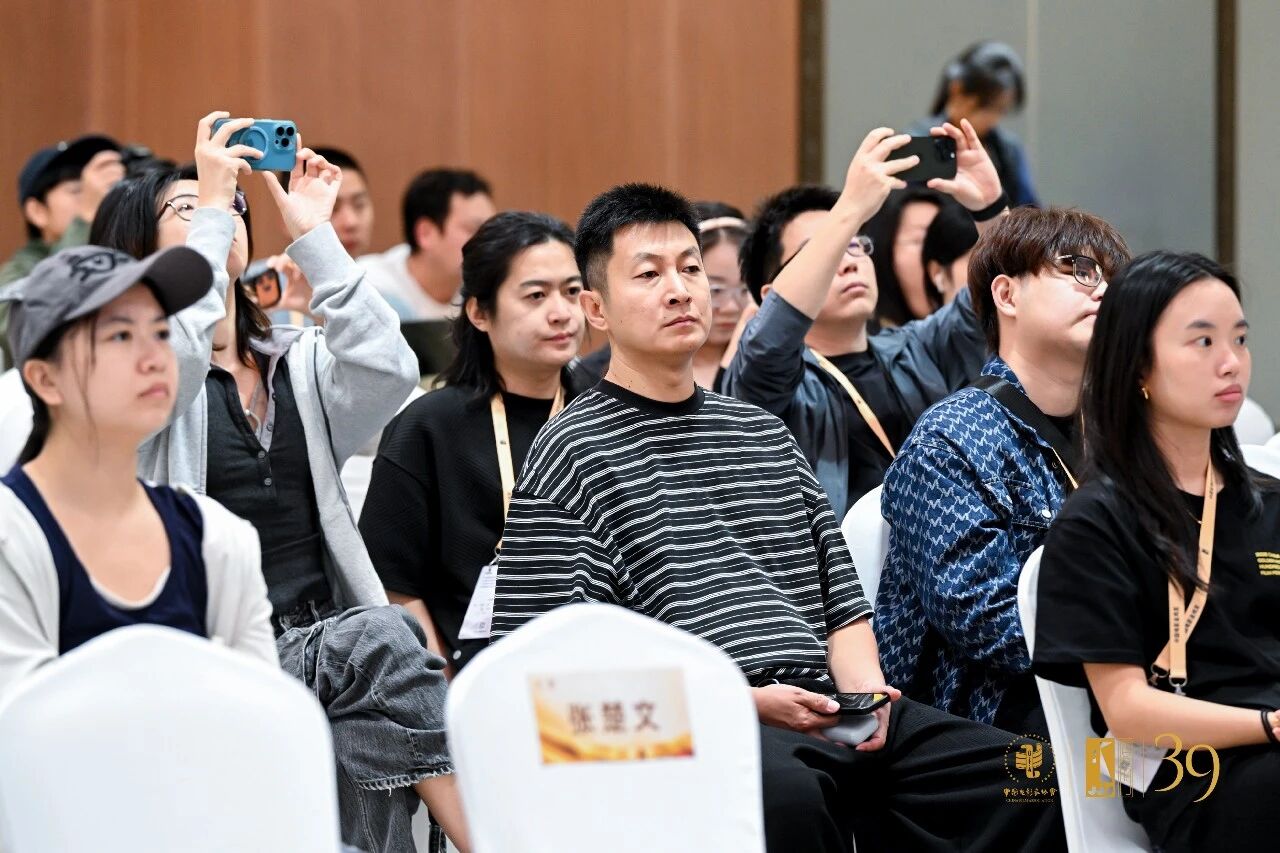
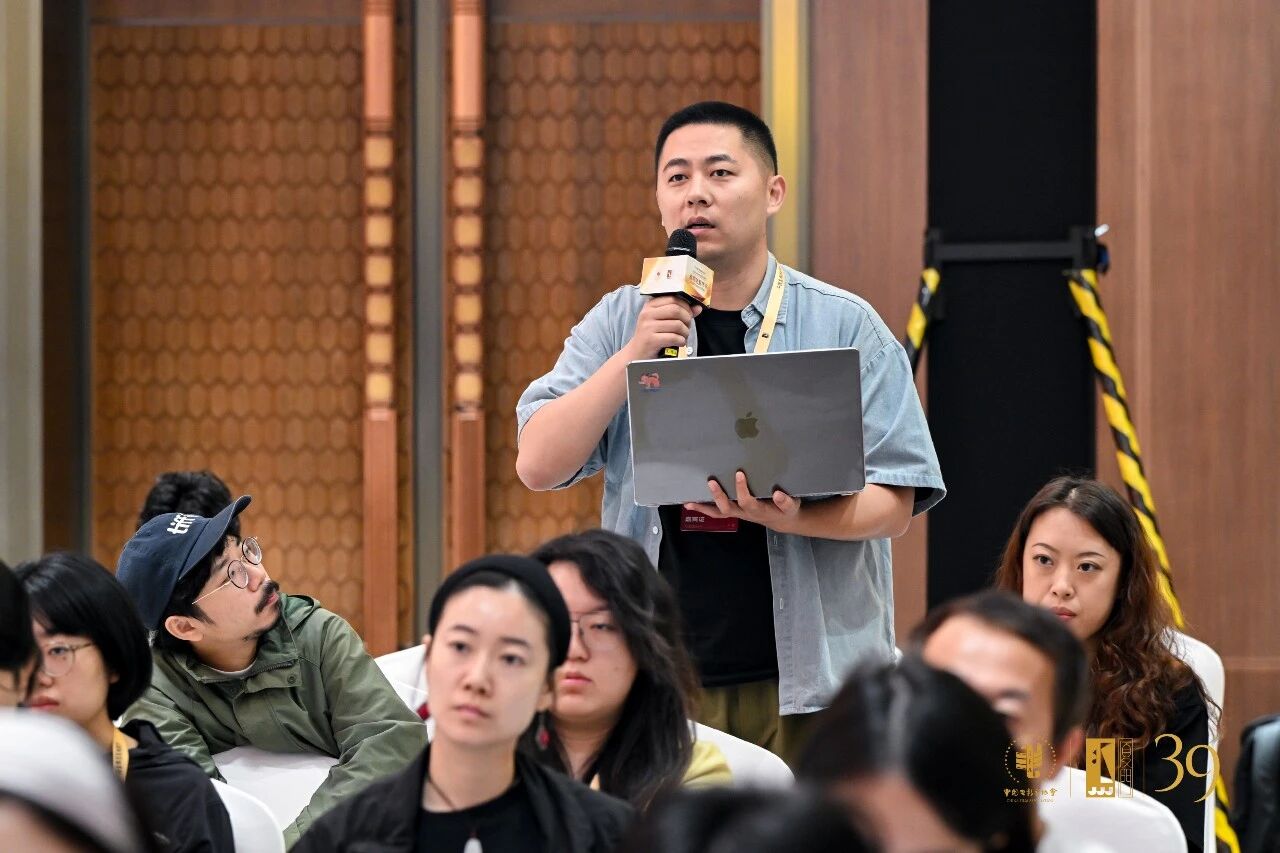
The day’s second session, themed “From Local Stories to the World’s Screens”, was moderated by Wu Tian, a teacher at the Animation School of the Beijing Film Academy. Animation directors Xu Zao, Han Yunguang, Hu Rui and Li Wenyu and producer Cong Fangbing drew on their own work to discuss finding stories, animated form and cross-cultural communication.
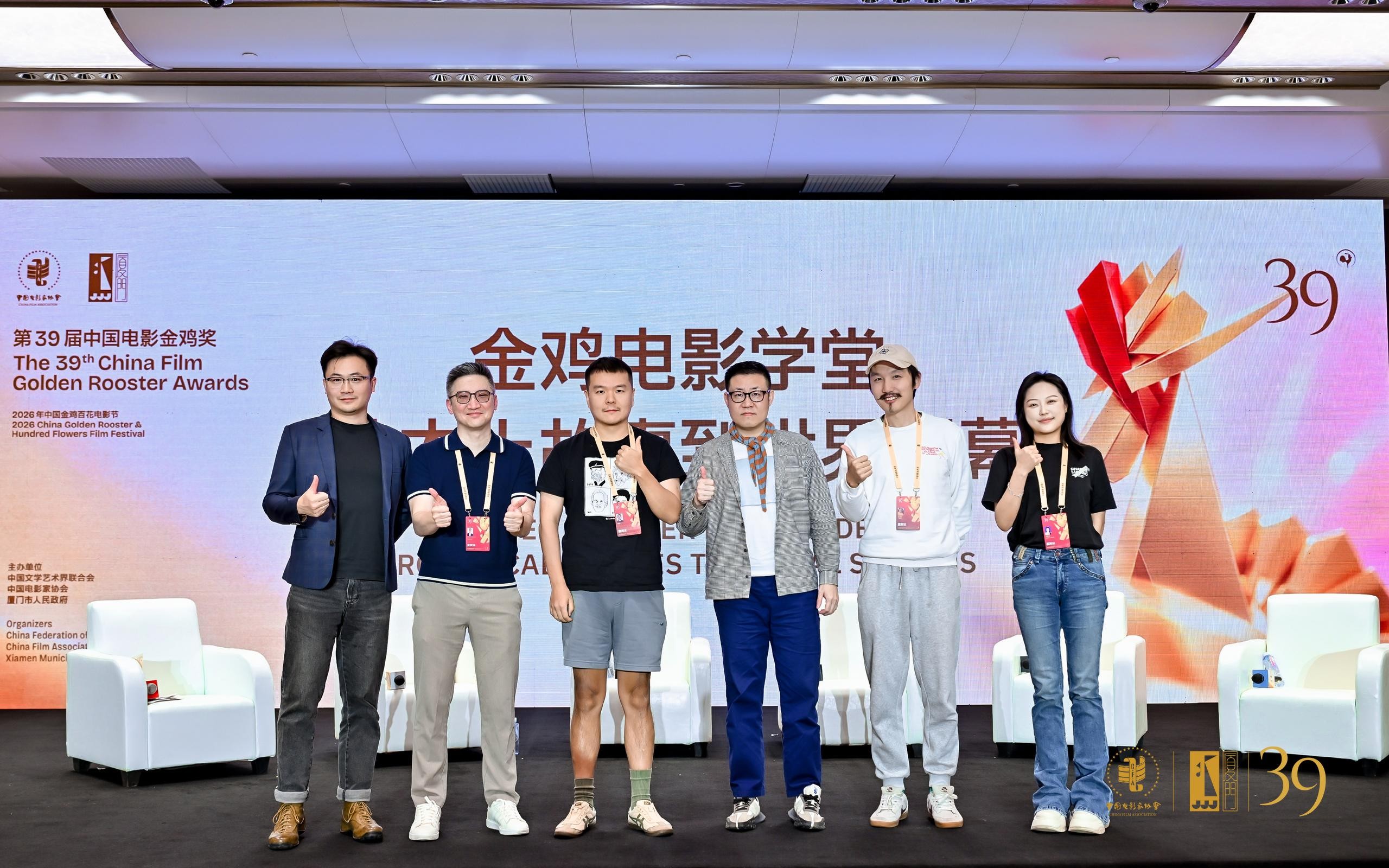
The discussion began with where stories come from. Li Wenyu, director of Ranbiwa, shared an approach of weaving personal life into traditional tales so that ancient legends connect with present-day feelings. Cong Fangbing, producer of the The Legend of Hei film series, spoke about the IP’s distinctive appeal: sincere emotion that comes through in light, everyday storytelling, along with traditional Chinese culture and a rich world.
As works travel to different countries and regions, crossing cultural differences becomes another key question. Singaporean animation director Han Yunguang drew on the film’s overseas screenings to share how character emotion can move audiences from different cultural backgrounds. Xu Zao, director and screenwriter of The Lamppost in the Cold Night, said that overseas audiences’ different readings of the relationships between the characters have also given him new ideas for future work.
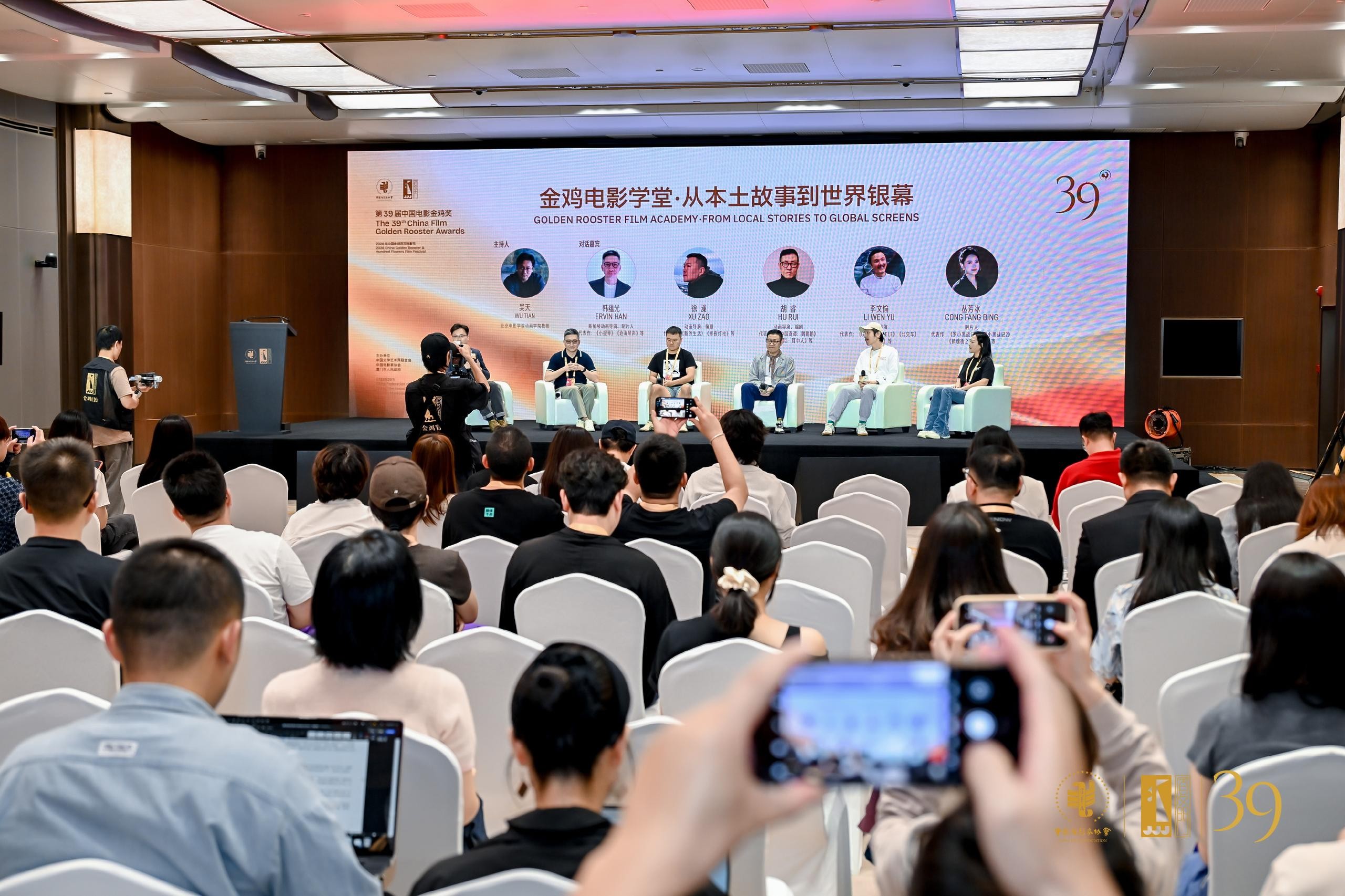
On animated filmmaking and production, the guests also discussed combining live action with animation, exploring visual style, and the balance between technical innovation and artistic expression. AI and its limits became a focus as well. Hu Rui, director of Yao-Chinese Folktales: Goose Mountain and Yao-Chinese Folktales II: The Man in the Ear, drew on project experience to share possible uses of AI in specific production stages, while stressing that the creative core must be protected so that technology does not affect the artistic expression of the work itself.
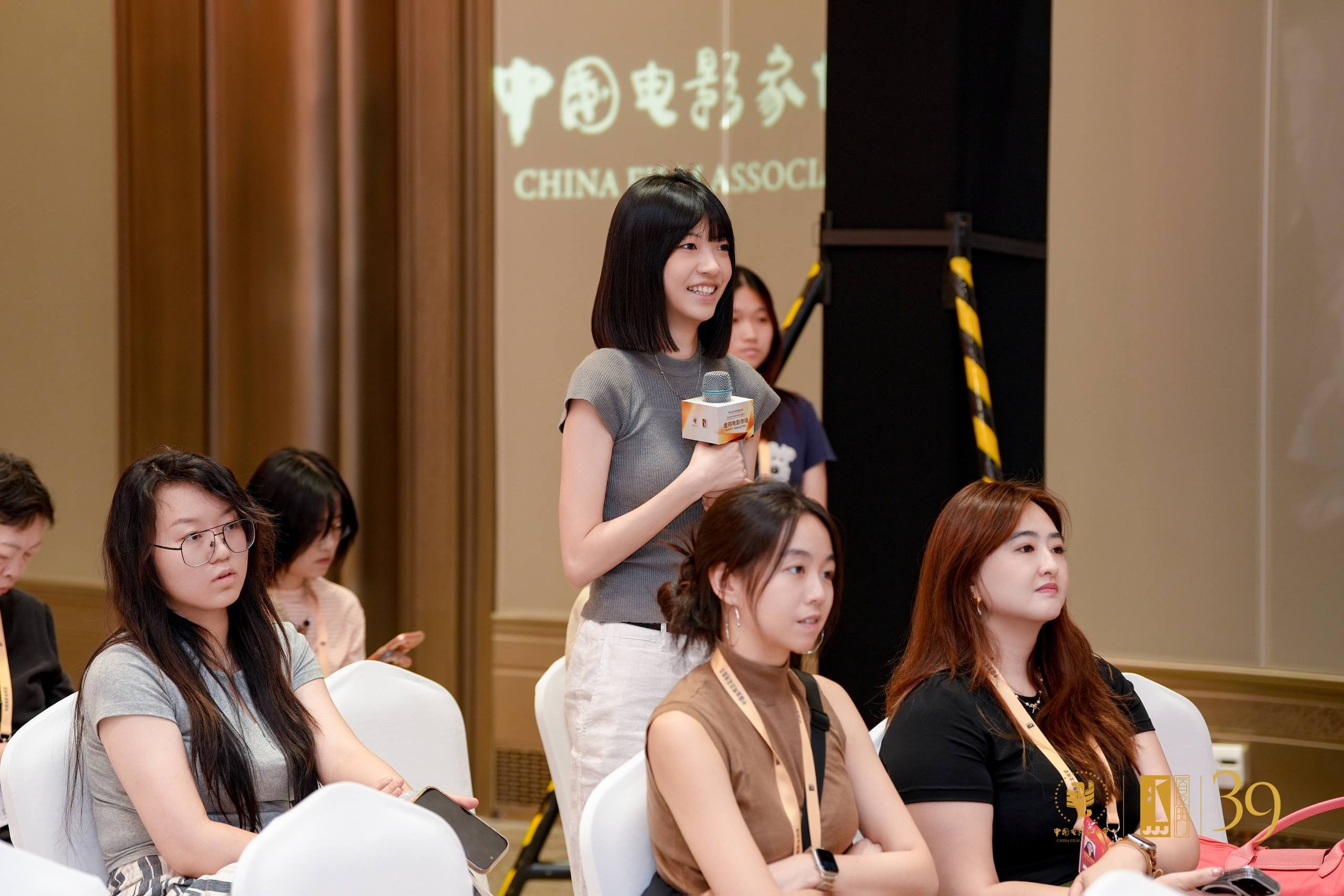
In the Q&A, the guests talked with young audience members about animation and the industry, sharing practical experience and creative reflections.
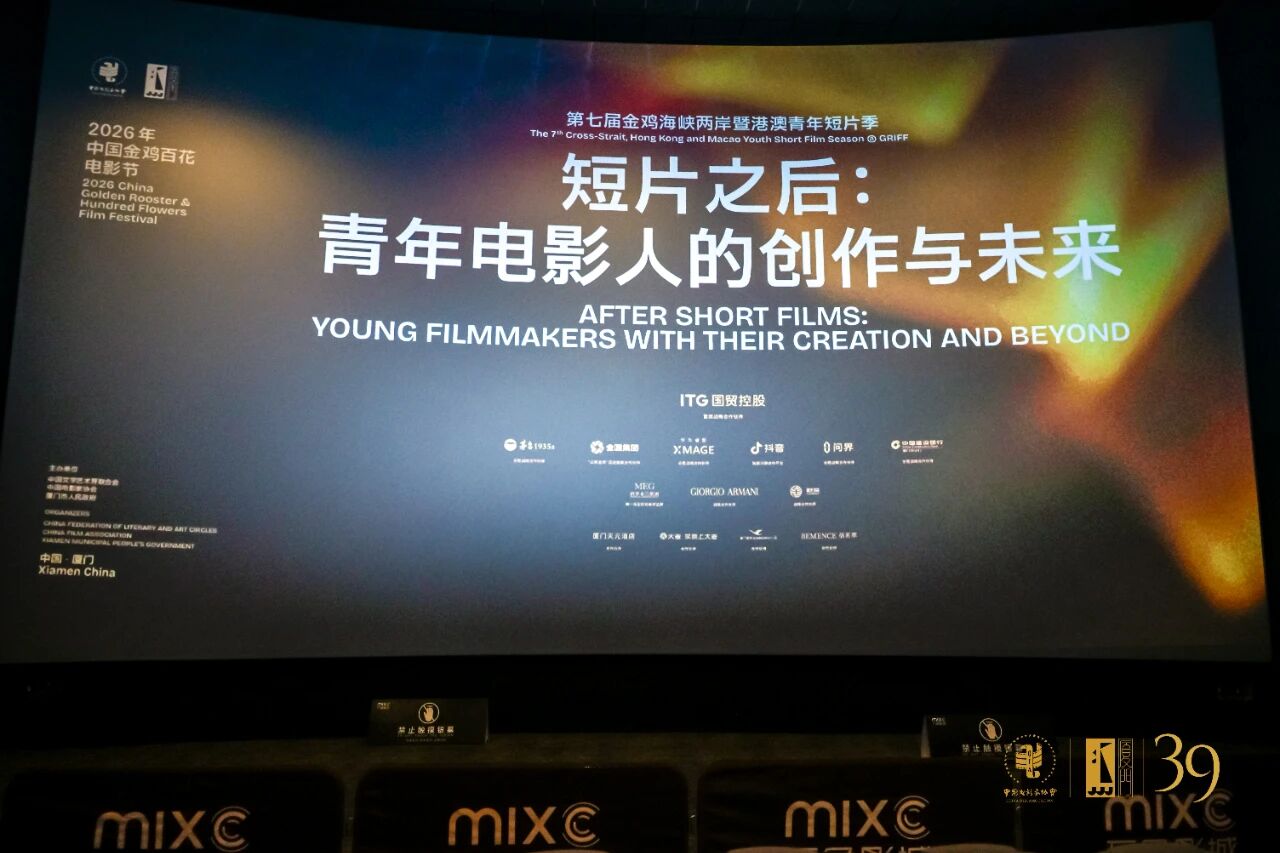
Golden Rooster Film Academy: After Short Films: Young Filmmakers with Their Creation and Beyond
The third session came from the mentors’ pre-screening talk at the 7th Golden Rooster Cross-Strait, Hong Kong and Macao Youth Short Film Season. On choosing works, the creative strengths of young directors and the practical challenges of moving from shorts to features, this year’s final jury mentors and young directors shared their experience and advice.
Asked what kind of short film moves a jury, director Peng Fei’s keyword was “courage”: the courage to start shooting and the courage to say something. Director Shen Ko-shang offered another view: there is no necessary progression from shorts to features, and the short film is worth exploring in its own right. Rather than rushing into a feature, he said, what matters more is finding the story you “simply must tell”. When it does come to making a feature, young directors also need to assess their creative and organizational abilities. In casting and assembling a crew, beyond budget and production conditions, they should consider whether they can communicate and work effectively with the team.
The mentors also suggested that young directors take acting classes to deepen their understanding of performance and make directing and communicating with actors smoother. Young directors’ strength, they added, also lies in the like-minded partners often around them; teams grow and gel through one collaboration after another.
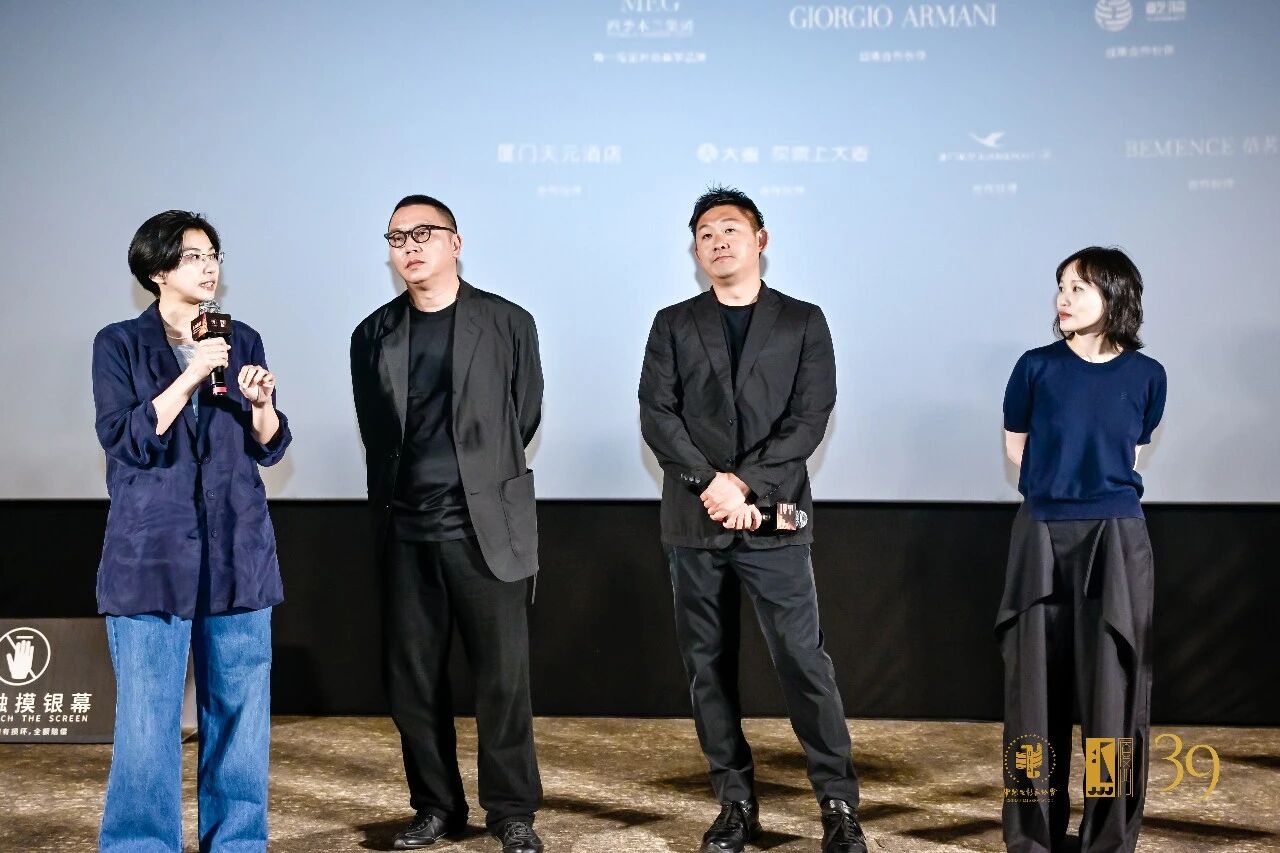
On more specific production matters, director Ho Miu-ki reminded young directors to be ready at all times and keep a “Plan B”, while producer Liang Ying stressed that budgets must be managed according to real conditions and within one’s means. From expression and directing actors to teamwork and budgeting, the mentors drew on real experience to give the most practical and concrete advice.
This year’s three Golden Rooster Film Academy sessions handed young creators methods, experience and confidence together. We look forward to more young faces returning here with their work next year.