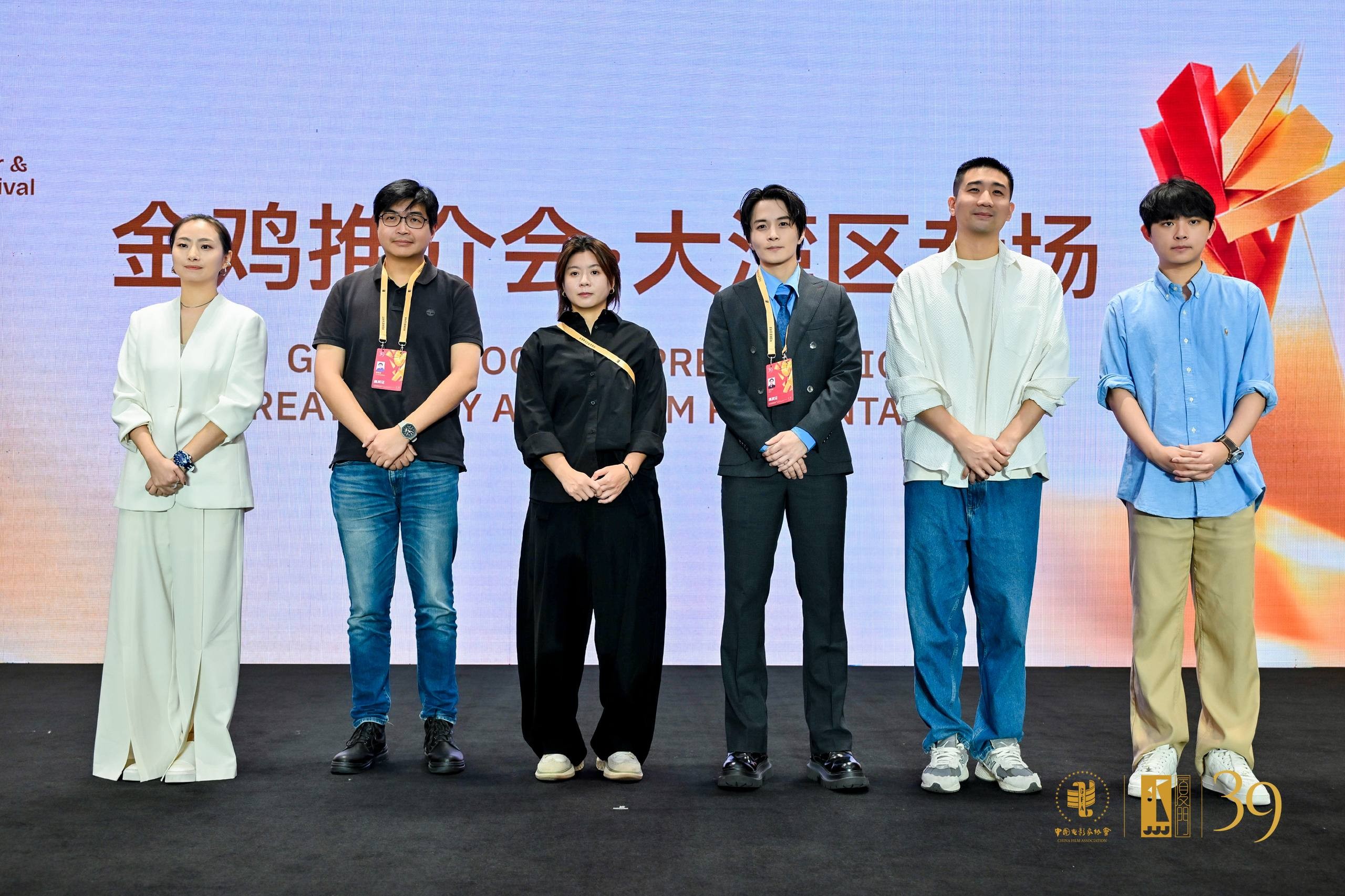
On the evening of November 9, in the outer corridor of the Xiamen International Conference Center, guests of the Chinese-Language Film Night lingered after the event, chatting easily to the sound of the sea breeze and the waves. This year GRIFF Industry moved its main venue to the seaside and expanded its space. Facing the sea, it also carries the hope that Chinese cinema will reach a wider market.
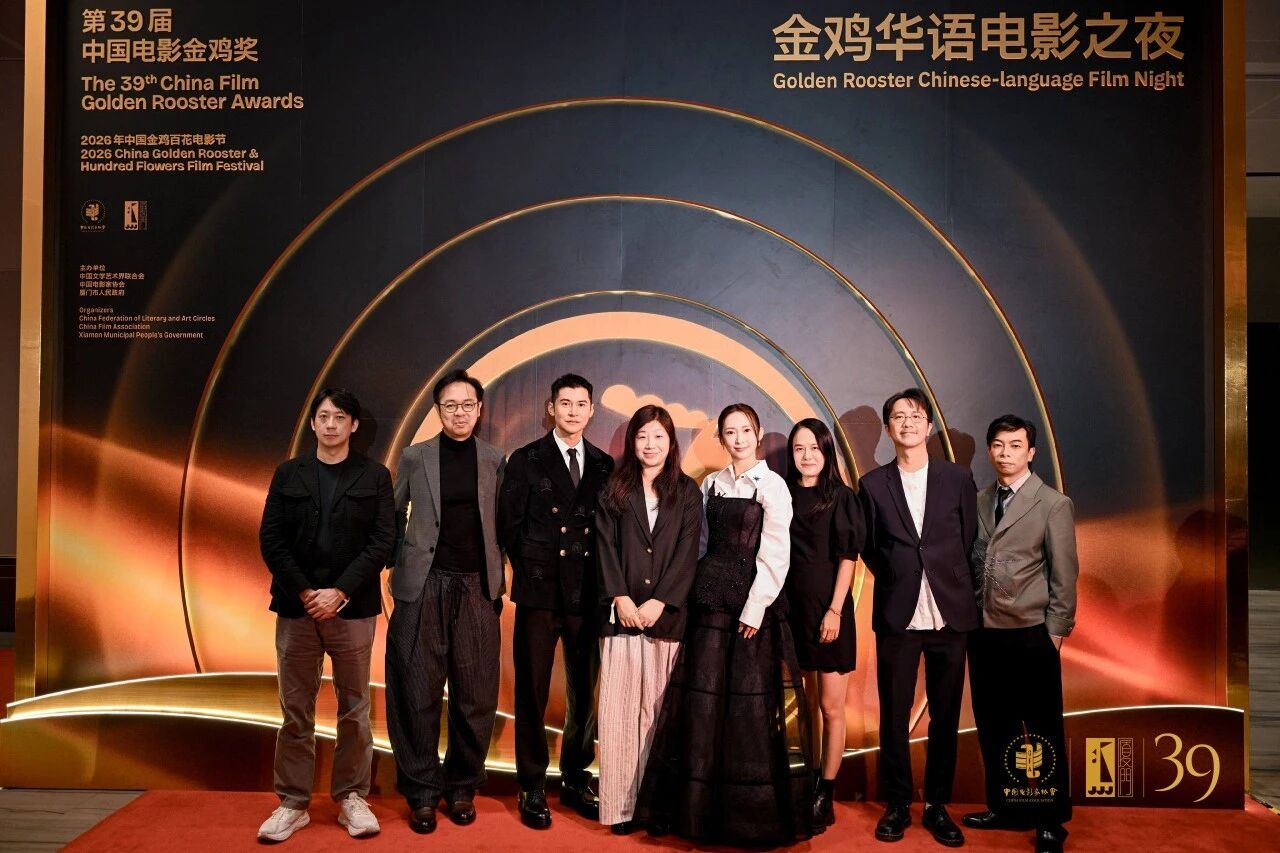


From November 7 to 10, GRIFF Industry held a launch ceremony and international roundtable, Golden Rooster pitch sessions, the Golden Rooster Film Academy, market screenings, market booths, the International Lounge and more. Ideas were exchanged on stage and resources matched off it. From international cooperation to regional collaboration, from IP development to young filmmakers’ work, GRIFF Industry, founded in 2023, is responding to the changes now facing China’s film industry with an increasingly mature program, exploring new possibilities for cinema between the local and the global, between tradition and innovation.
Expanding Market Horizons: Chinese Cinema Needs a Wider Place in the World
As the global film market undergoes profound change, expanding international cooperation has become an important task for Chinese cinema. Overseas distribution channels are increasingly diverse, and the number of films, market choices and industry competition are all growing. How to help audiences from different cultural backgrounds understand Chinese stories, and how to find the right distribution path in overseas markets, are practical questions filmmakers must face.
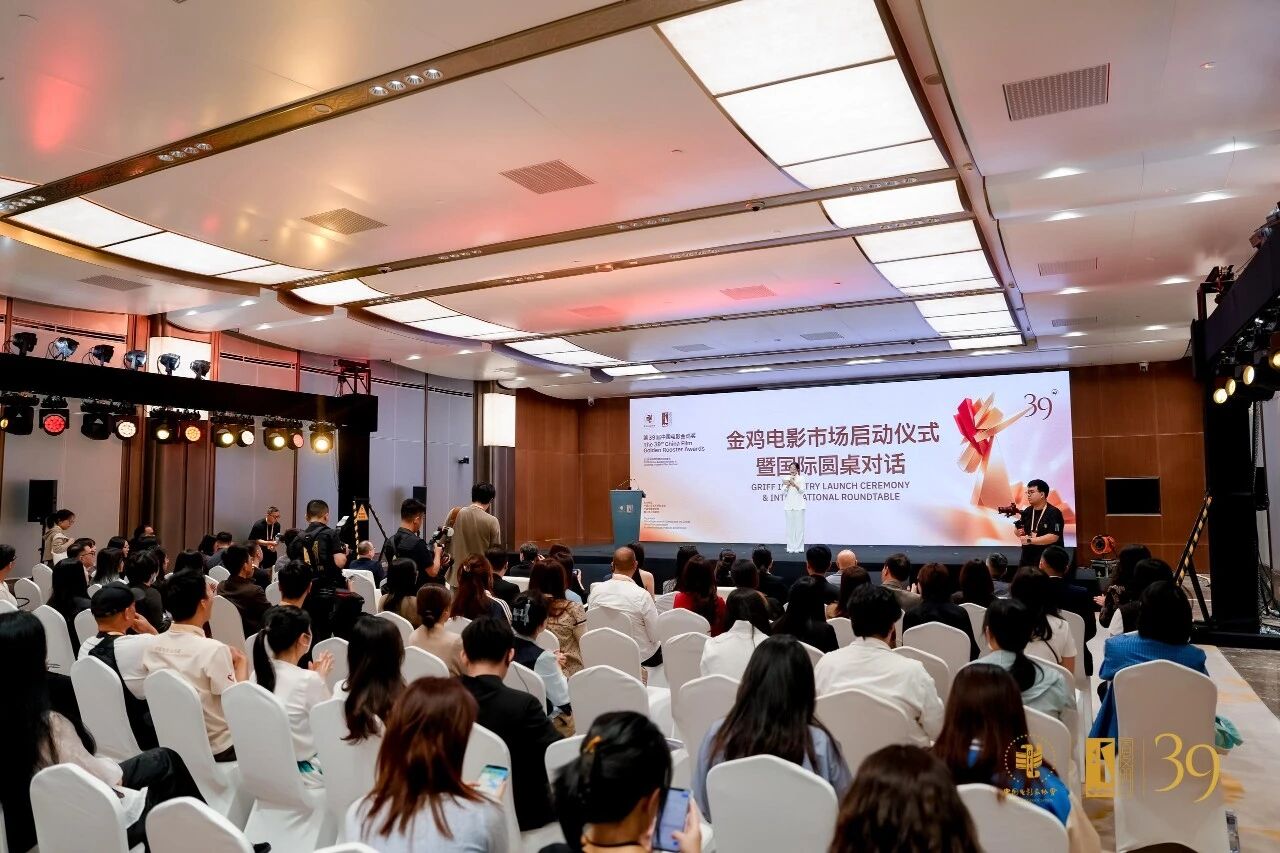
At the GRIFF Industry launch ceremony on November 7, Dengta Professional released an industry report, Breaking Through Under Pressure, in Both Directions: Bringing Films into China and Taking Chinese Films Abroad, analyzing Chinese cinema’s path from the perspectives of market supply and global circulation. The report argues that two-way opening between Chinese cinema and the global market is an important way to expand room for the industry’s growth.
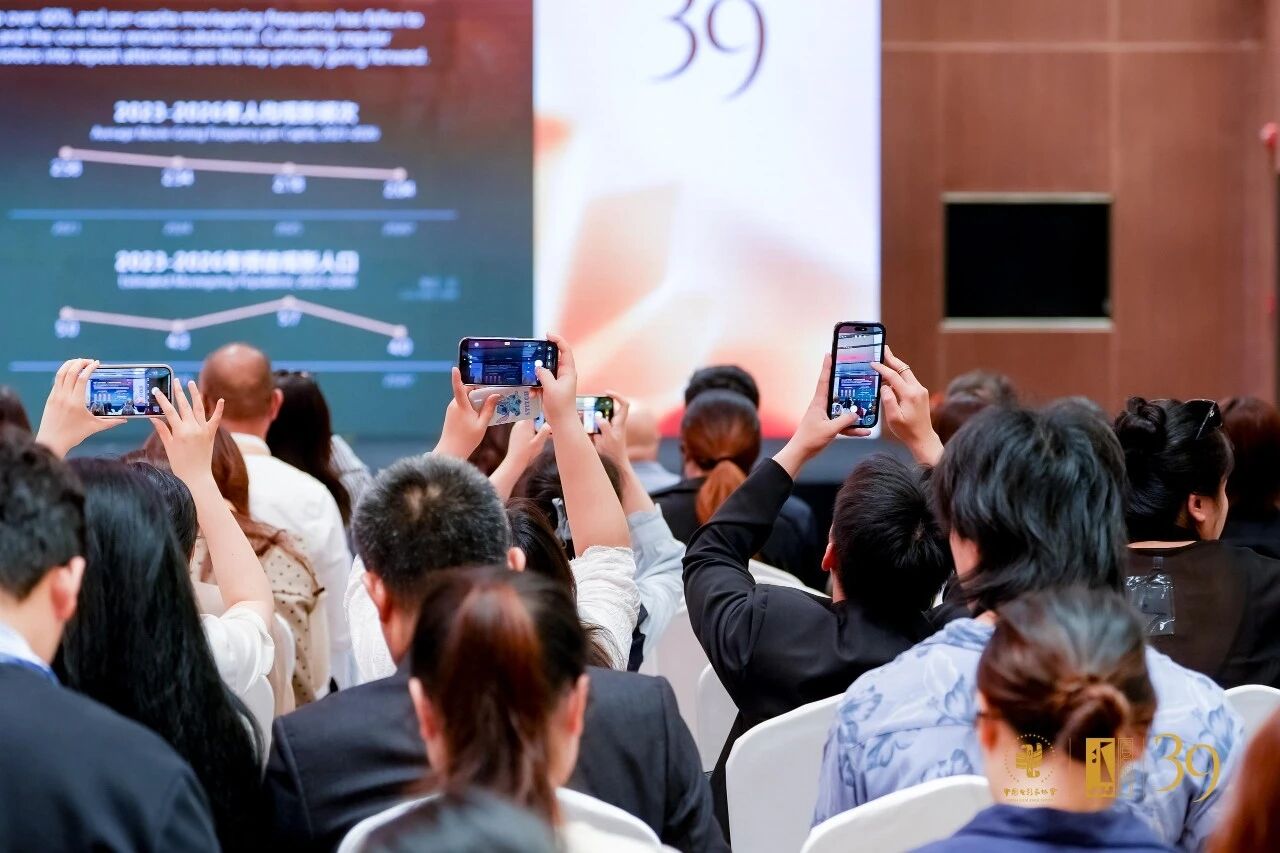
The international roundtable that followed brought together distribution and rights professionals from China and abroad to discuss overseas distribution of Chinese-language films, cultural translation, genre choices and release scheduling. The discussion looked not only at how Chinese stories can go abroad, but also at how they can find real audiences in local markets. Love Letters to Grandma, which earned about 18 million ringgit in Malaysia to become the country’s top-grossing Chinese-language film of the year, is one example of local emotion resonating in an overseas market.

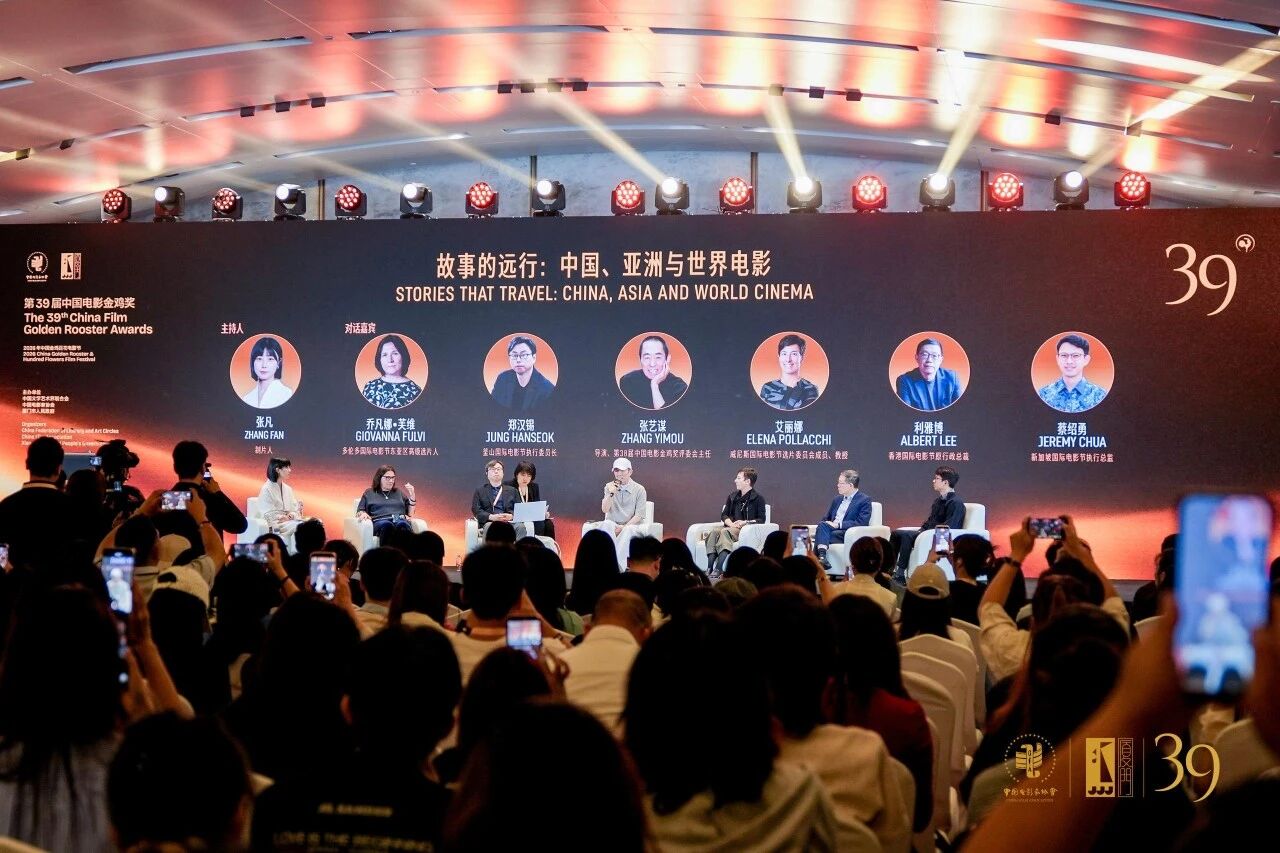
“A good film can cross languages and borders, letting a story from far away find its own echo here.” These words from the mainland distributor of Sentimental Value, winner of Best Foreign Language Film at this year’s Golden Rooster Awards, capture the power of good films to break through cultural barriers and connect with audiences. The same resonance ran through the Golden Rooster International Film Festival Forum. Under the theme “Stories That Travel: China, Asia and World Cinema”, director Zhang Yimou and guests from international festivals and markets including Venice, Toronto and Busan discussed how Chinese and Asian cinema can reach a wider international stage. For creators, Zhang Yimou said, an international outlook does not necessarily mean looking outward for standards; what matters more is digging inward and moving audiences with real life experience and simple, honest emotion.
As Technology Keeps Evolving, Filmmaking Still Needs a Human Voice
AI and other new technologies are reshaping how films are made and bringing new challenges. Amid this wave, how creators balance new tools with artistic expression was a key topic at this year’s GRIFF Industry.
The three sessions of the Golden Rooster Film Academy focused respectively on AI filmmaking practice, animation and cross-cultural communication, and the growth of young directors, covering technology, story and creative practice.
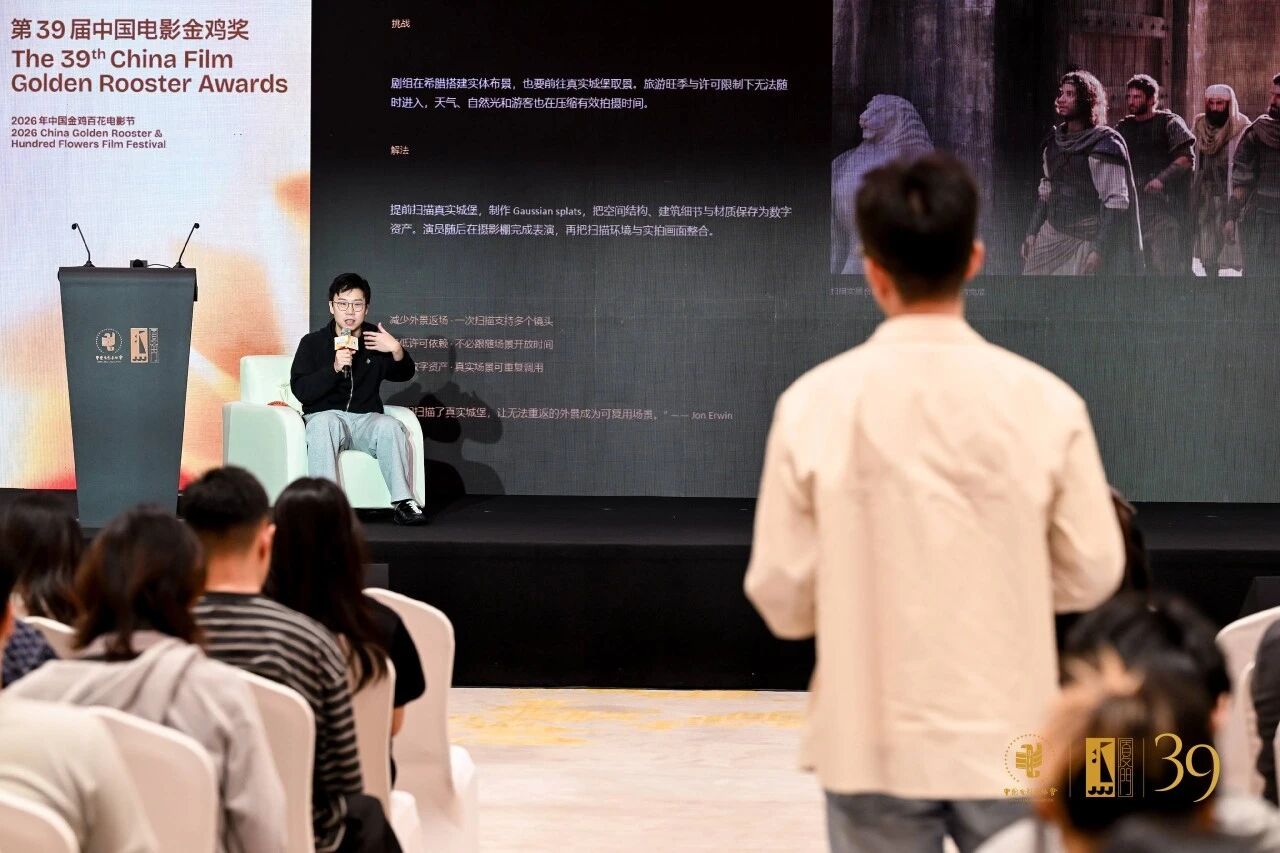
At the International Film Festival Forum, Zhang Yimou also spoke about the impact of AI and short video on the film industry. New technology has lowered the threshold for making images and given more ordinary people the chance to express themselves, he said, but for young filmmakers the focus of creation should always return to the script and the story itself.

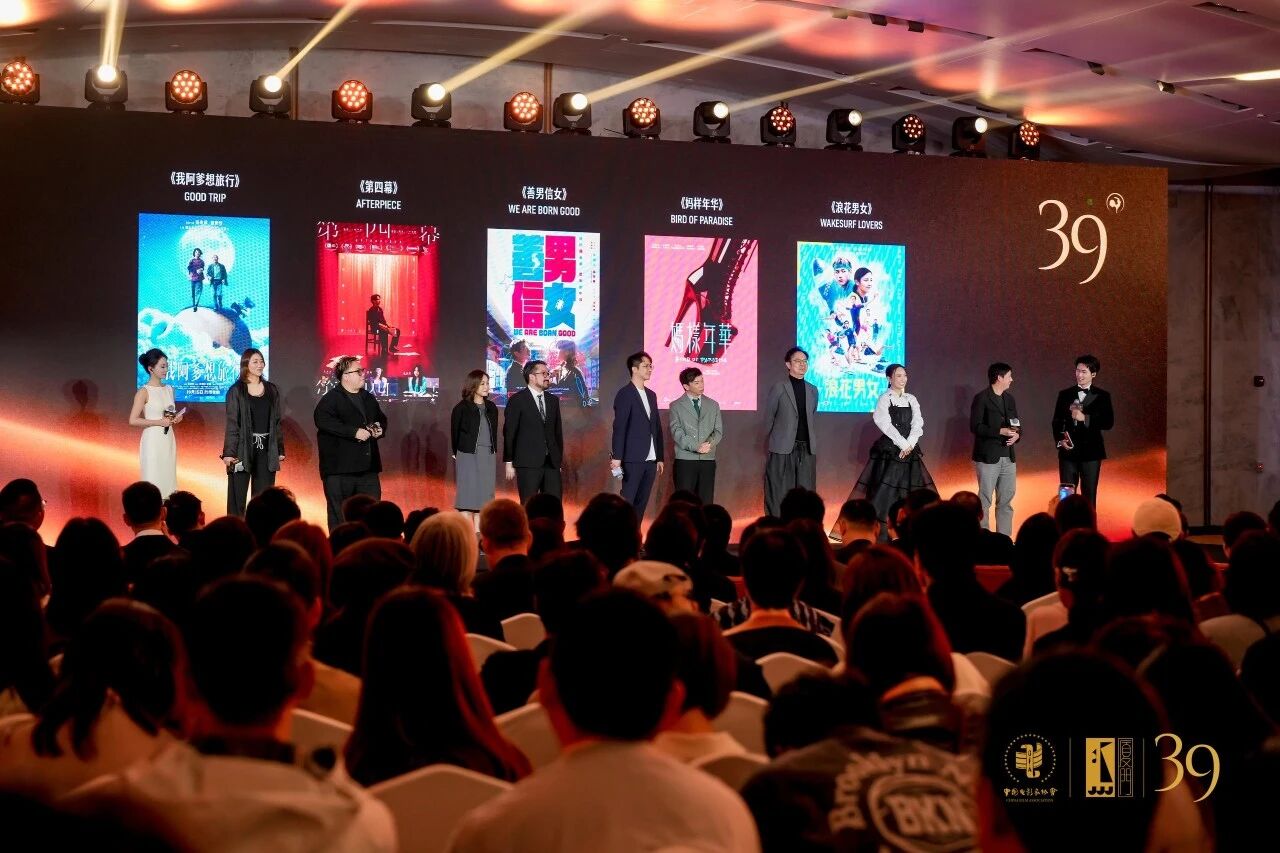
Beyond technology, GRIFF Industry also paid attention to what young creators are thinking. At the Chinese-Language Film Night on November 9, honors in several sections of the 7th Golden Rooster Cross-Strait, Hong Kong and Macao Youth Short Film Season were announced, with shorts spanning drama, animation and other forms. Filmmakers from 15 Chinese-language feature films also took the stage, presenting diverse themes including family relationships, social reality, personal growth and urban culture. From shorts to features, filmmakers at different stages and from different regions together showed the richness of Chinese-language cinema. The Cross-Strait Film Night, meanwhile, offered filmmakers from both sides of the strait a more relaxed space for exchange.
Connecting Ideas and the Market: Finding Opportunities at Every Stage of Filmmaking
Bringing a film from idea to screen involves story development, project incubation, production, distribution and more. At a time when anxiety about online traffic and market change are intertwined, the value of a film market should not stop at screening finished work; it should also connect resources and support cooperation across the whole creative process.
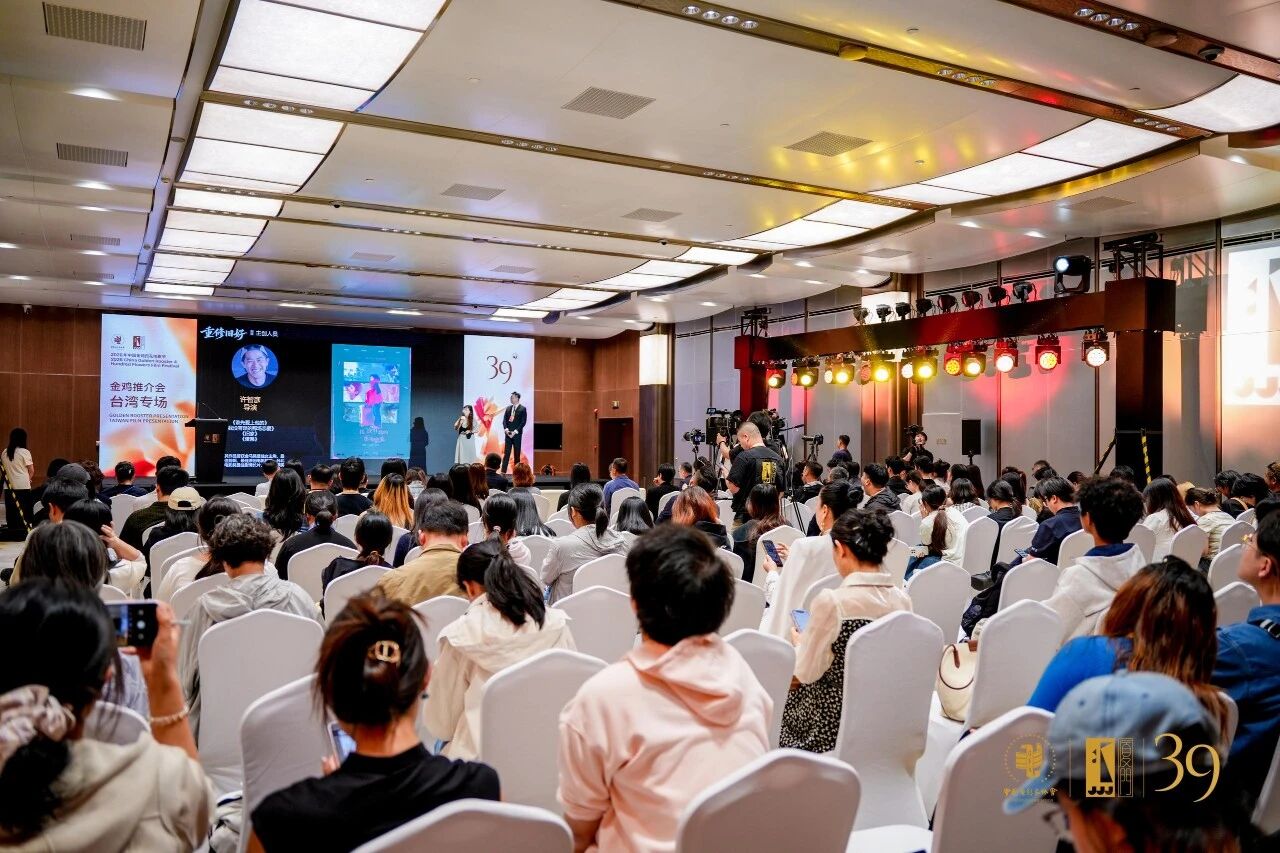
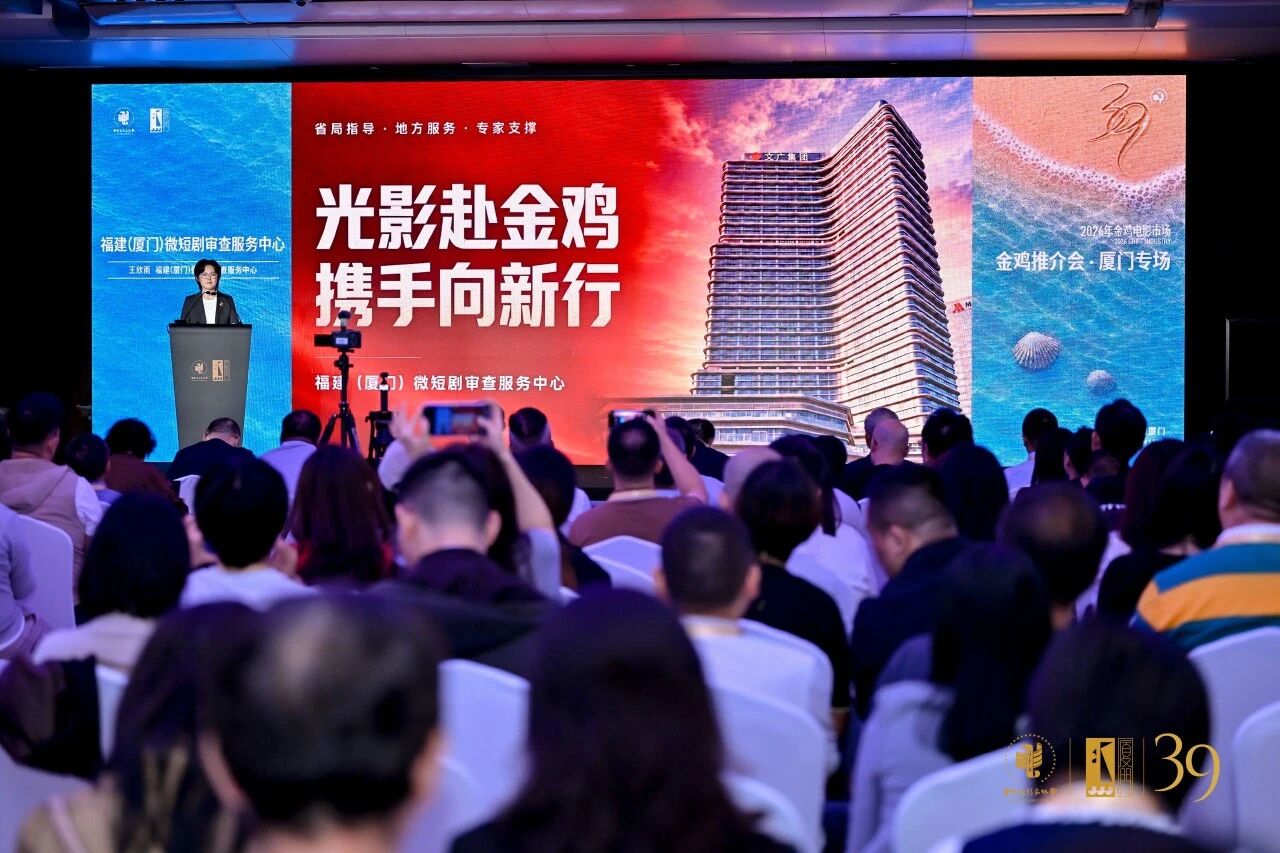
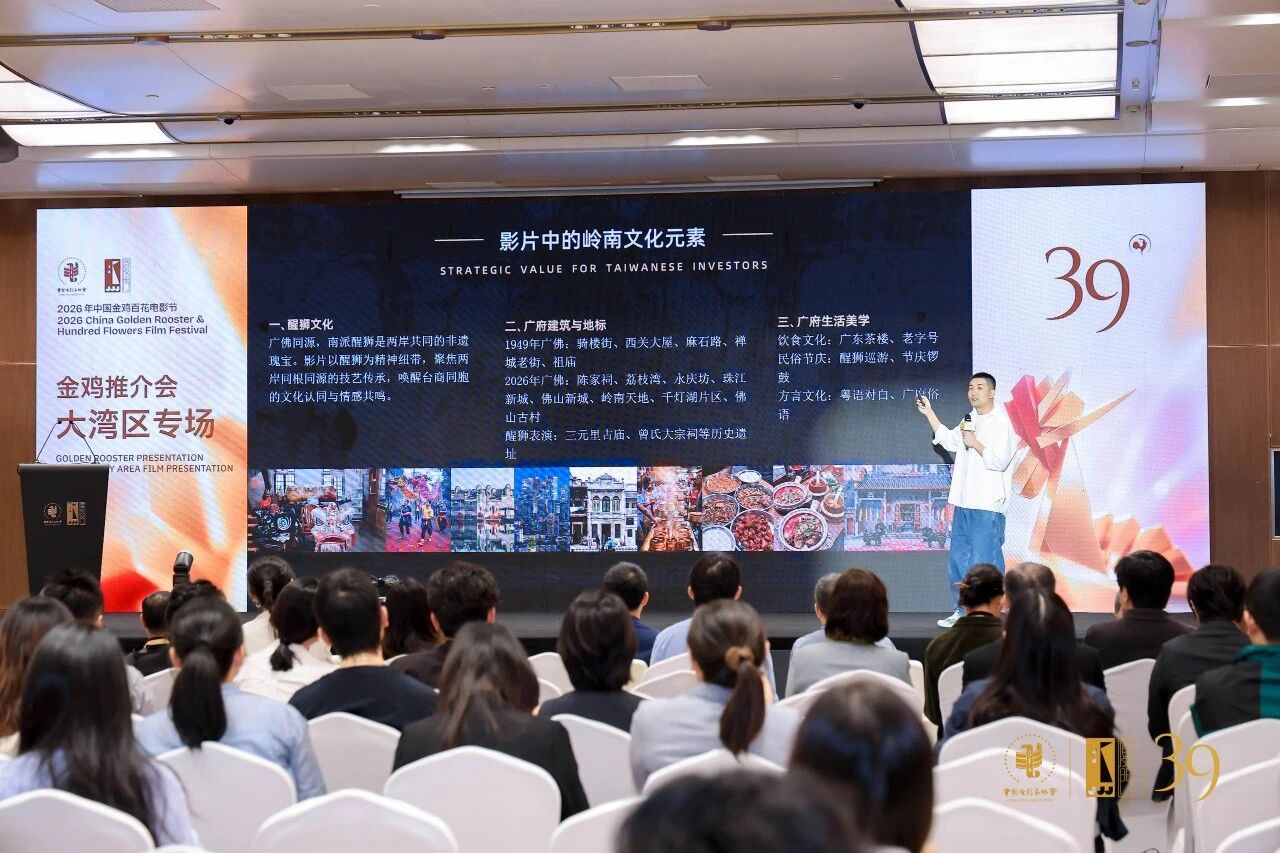
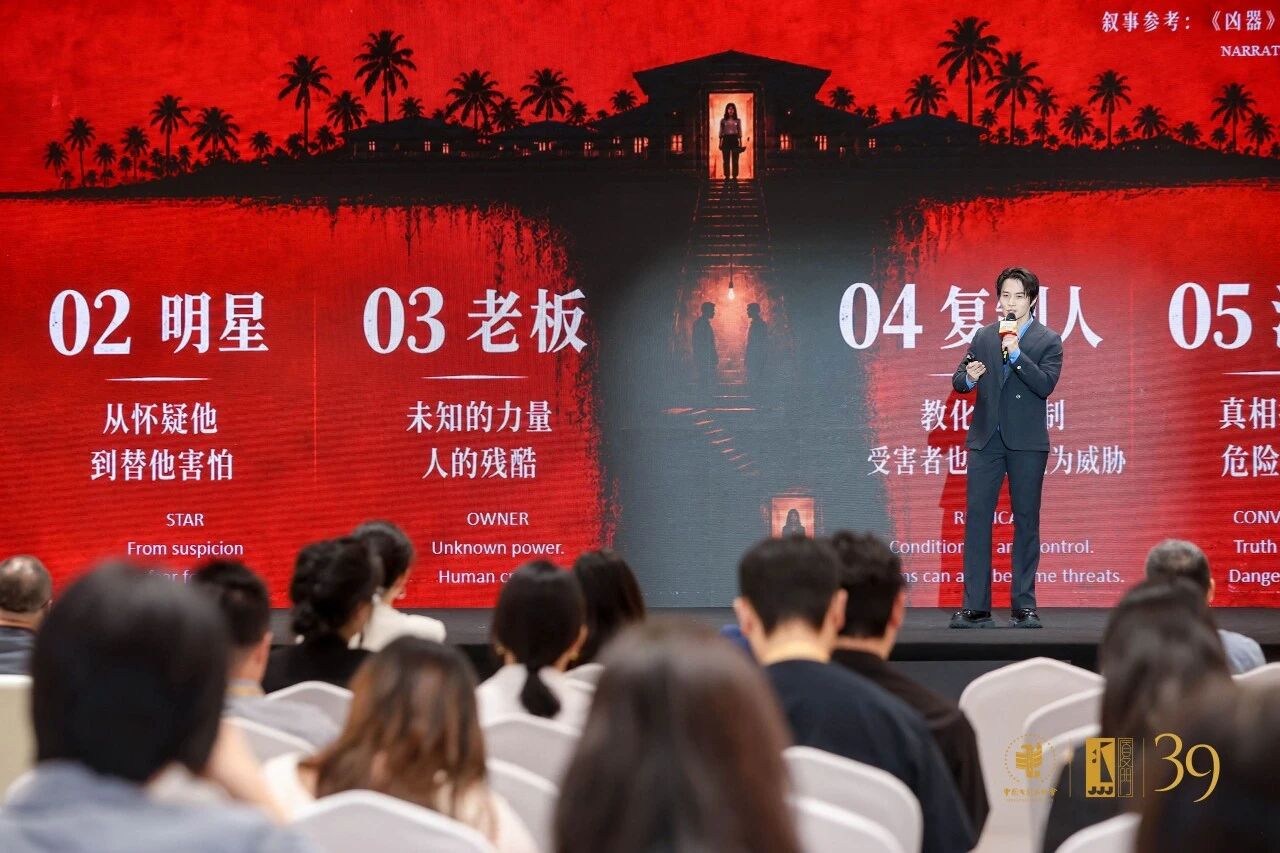
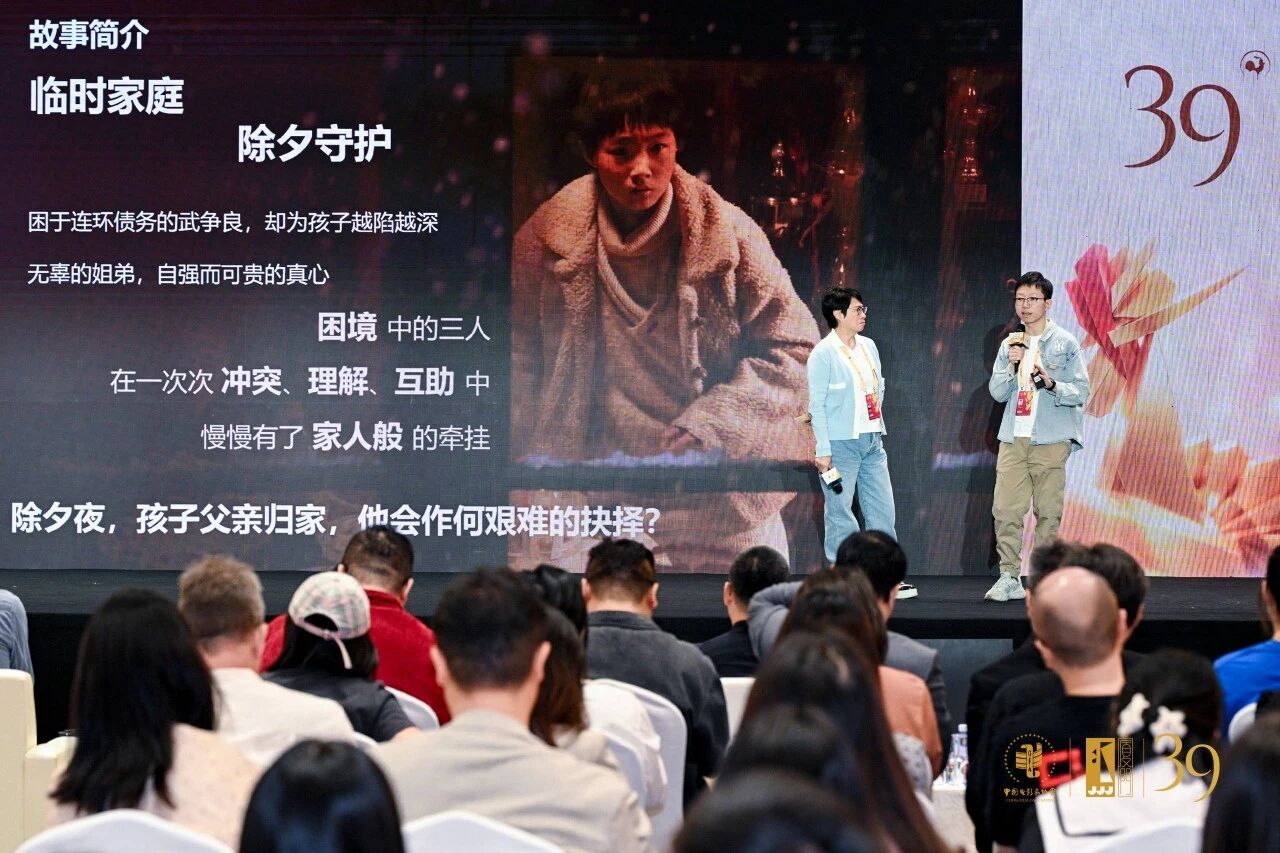
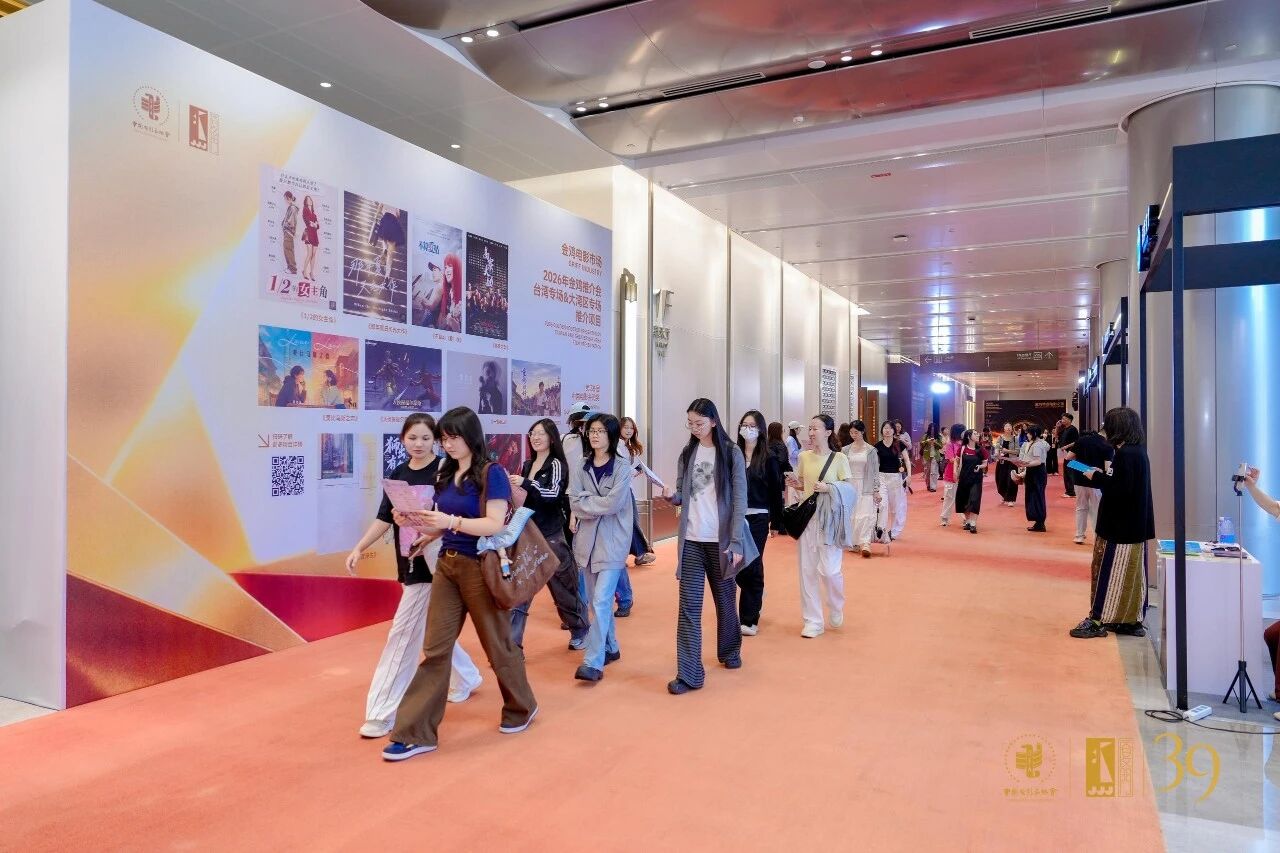
This year’s four Golden Rooster pitch sessions focused on Xiamen’s film and TV industry, Greater Bay Area collaboration, Taiwan cinema and the development of Chinese stories. The Xiamen Session presented local production services, key projects and platforms; the Greater Bay Area Session brought together projects from Guangdong, Hong Kong and Macao; the Taiwan Session presented romance, youth, fantasy, crime and other genres; and the China Stories Pitch Session extended from traditional cultural IP and original literature to original film. Covering different regions, subjects and project stages, the four sessions showed the strong creative pipeline of Chinese-language cinema.


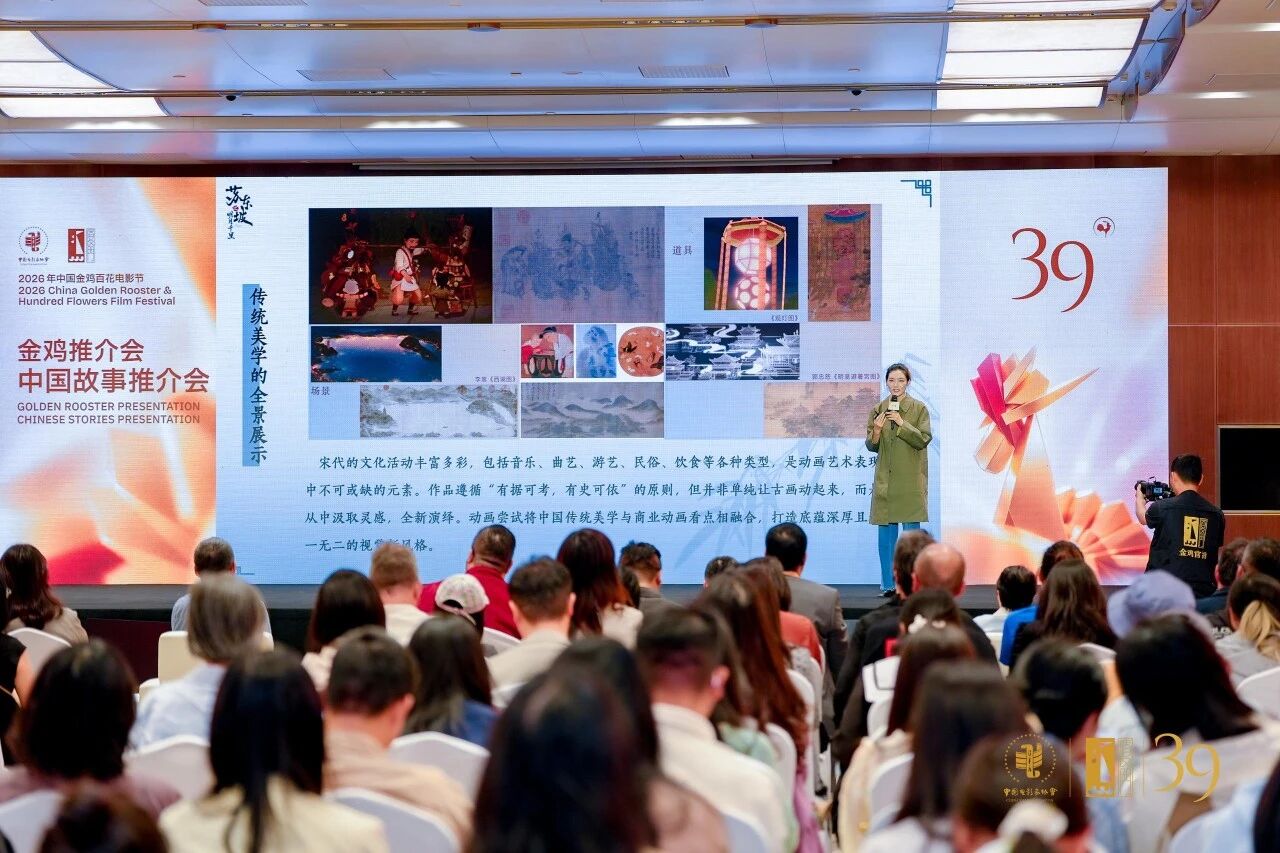
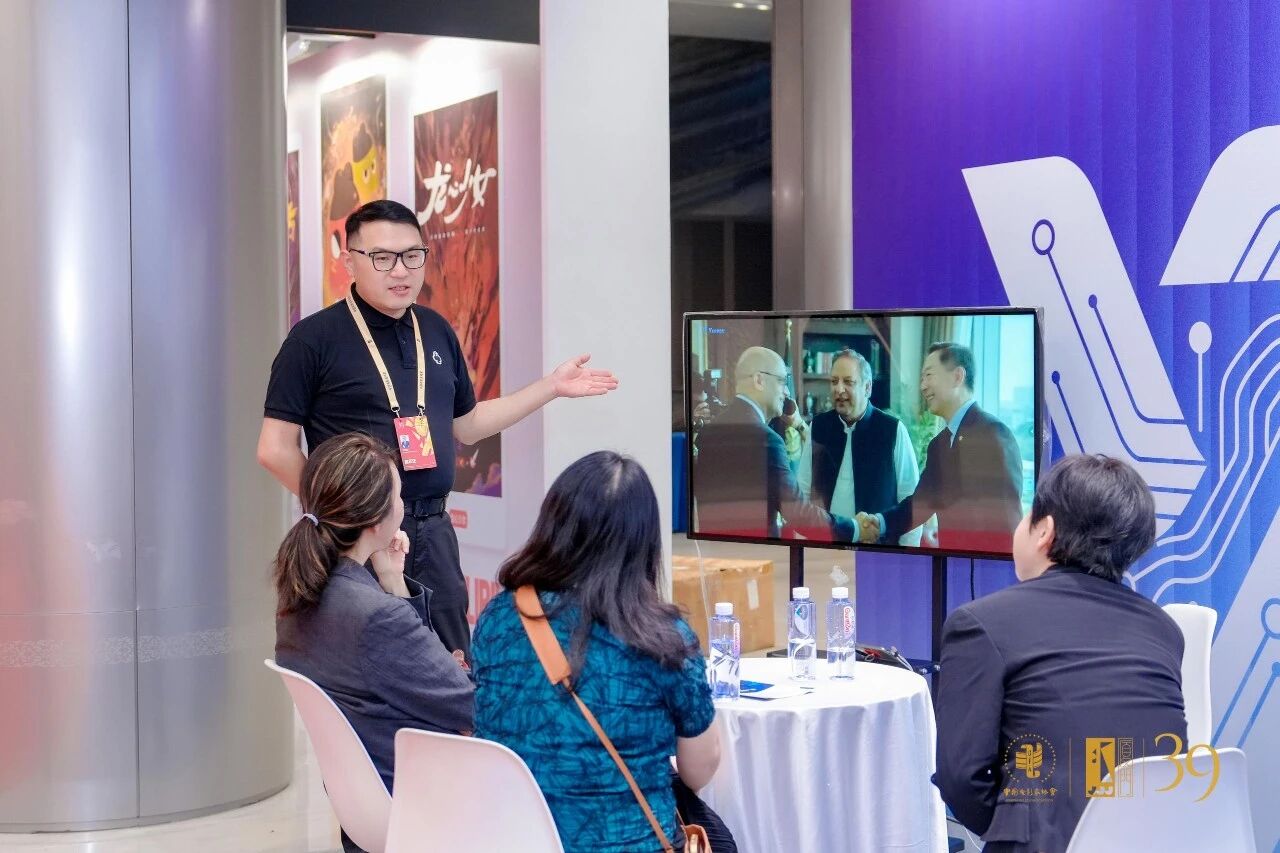
Beyond project presentations, industry resources came together further. The market booths, introduced for the first time this year, offered a new space for film and TV IP, companies and platforms to show their work and meet. One-on-one meetings centered on distribution, rights trading and screen adaptation of IP, bringing together dozens of quality projects and drawing leading platforms, IP agencies and new-quality-productivity companies, extending project showcases into real partnerships.
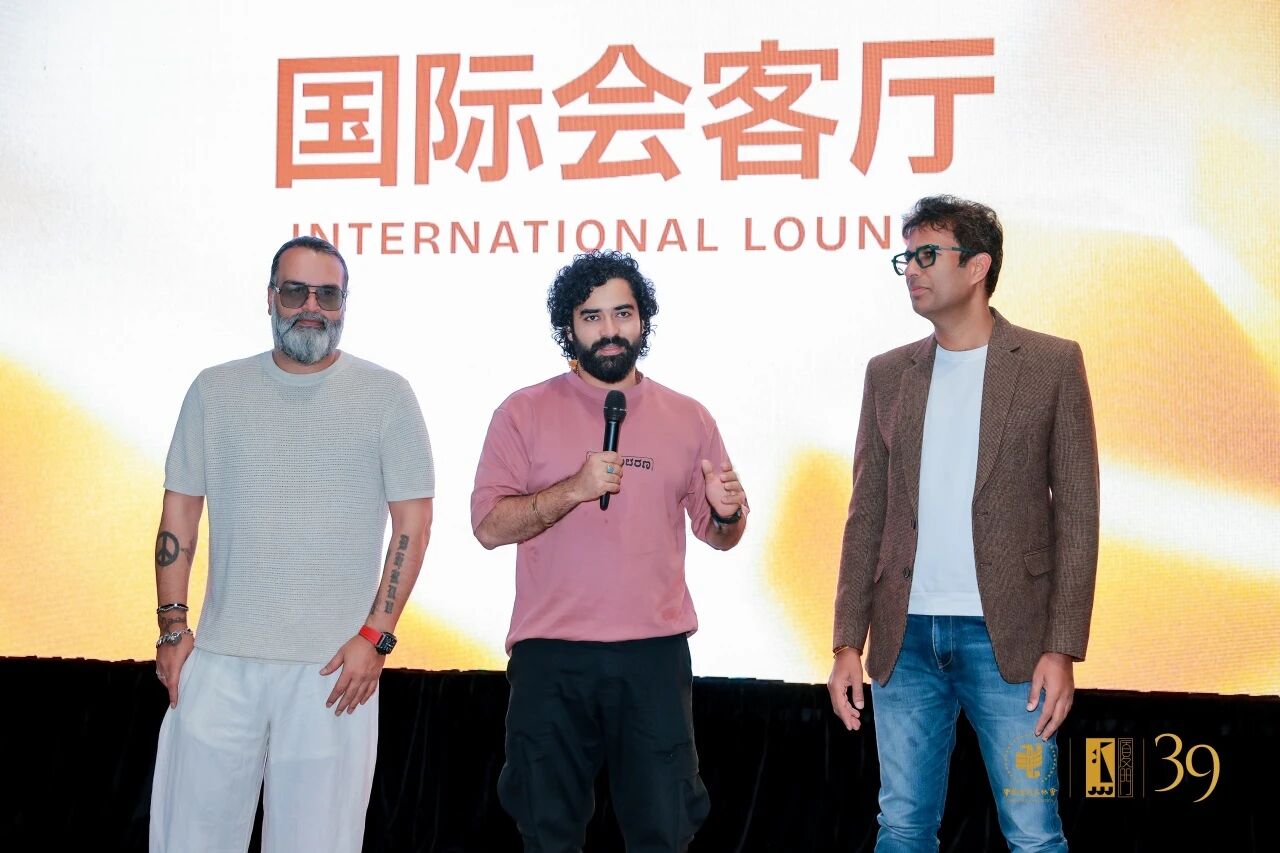
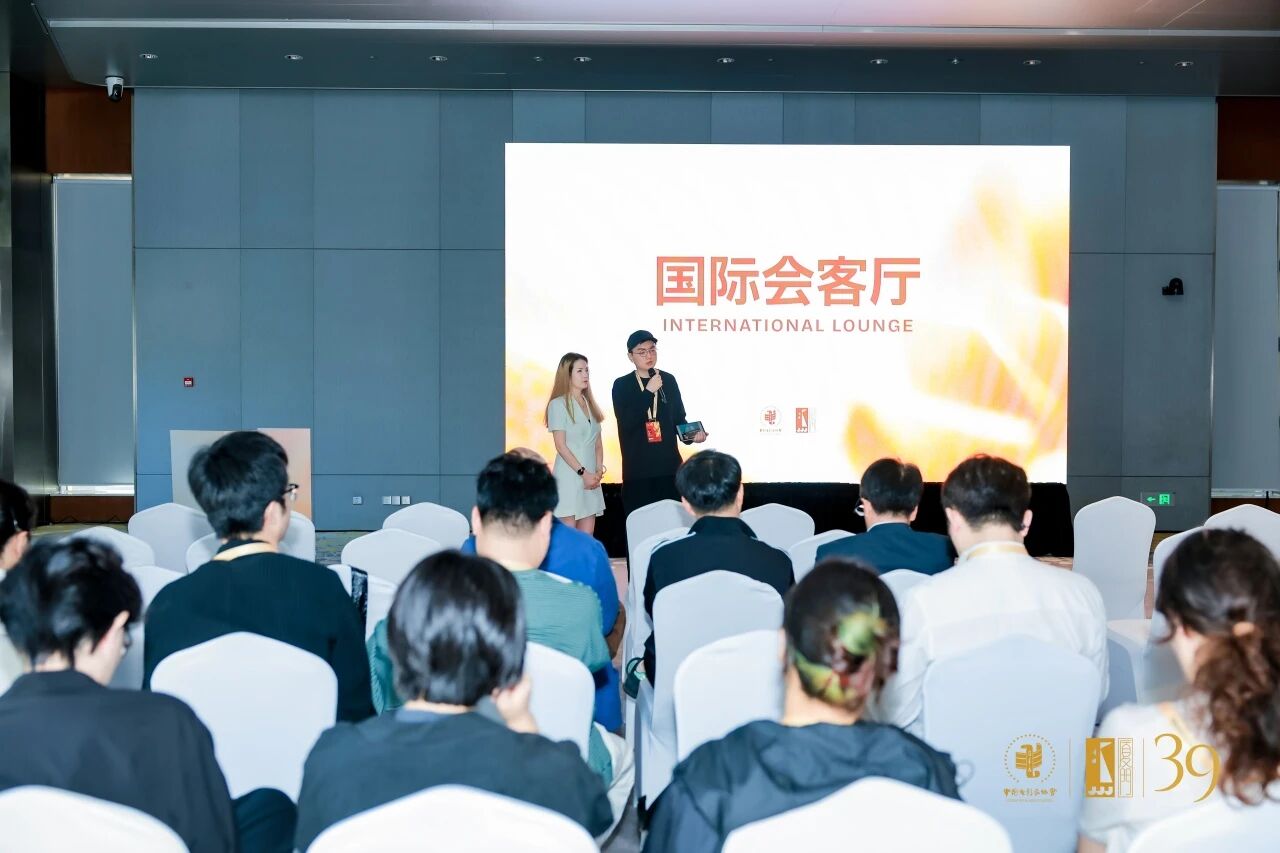
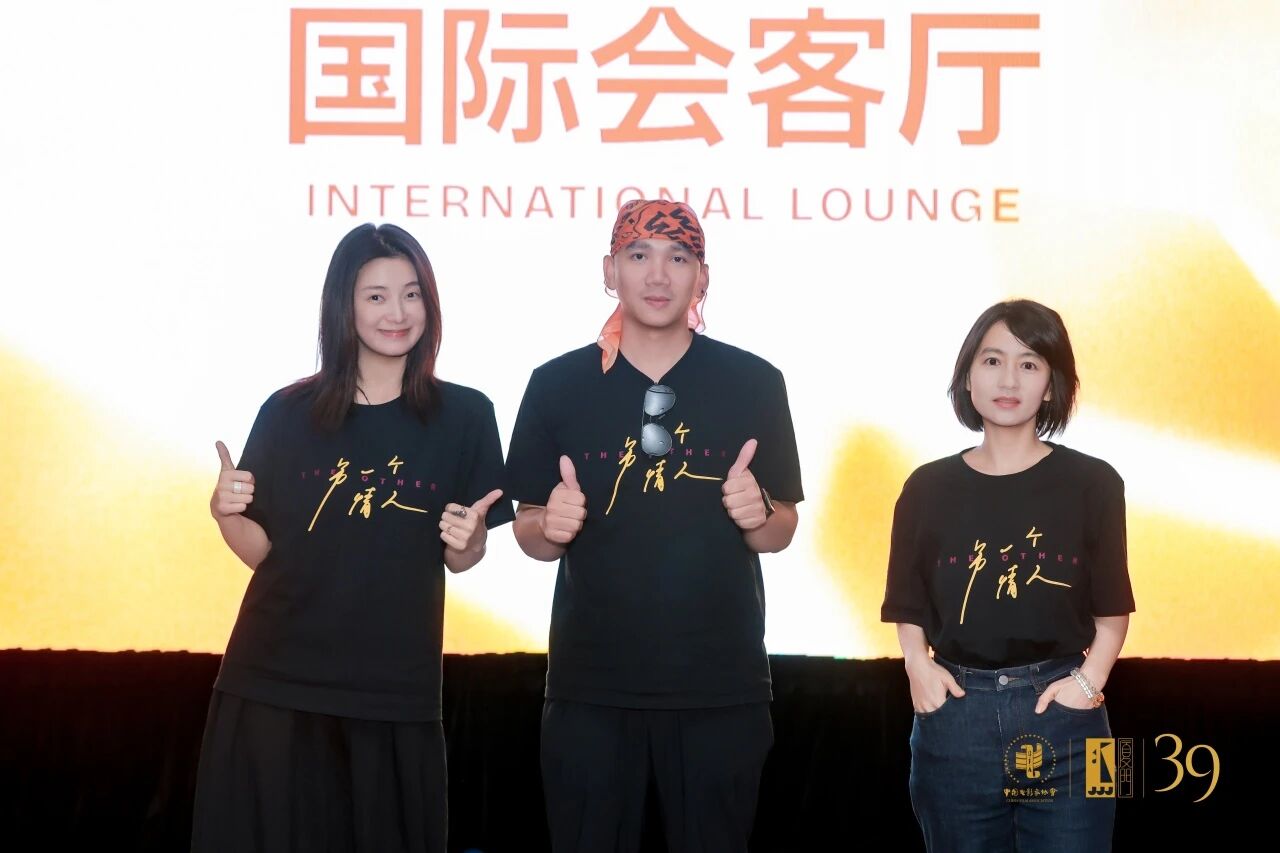
The International Lounge and market screenings further widened the space for international exchange and showcasing work. Guests from international film festivals and overseas distributors took part in project pitches and screenings. Through work-in-progress (WIP) pitches and market screenings of finished films, they gained a close look at the projects and their progress, creating opportunities for the films to connect with international programming, distribution and acquisition.

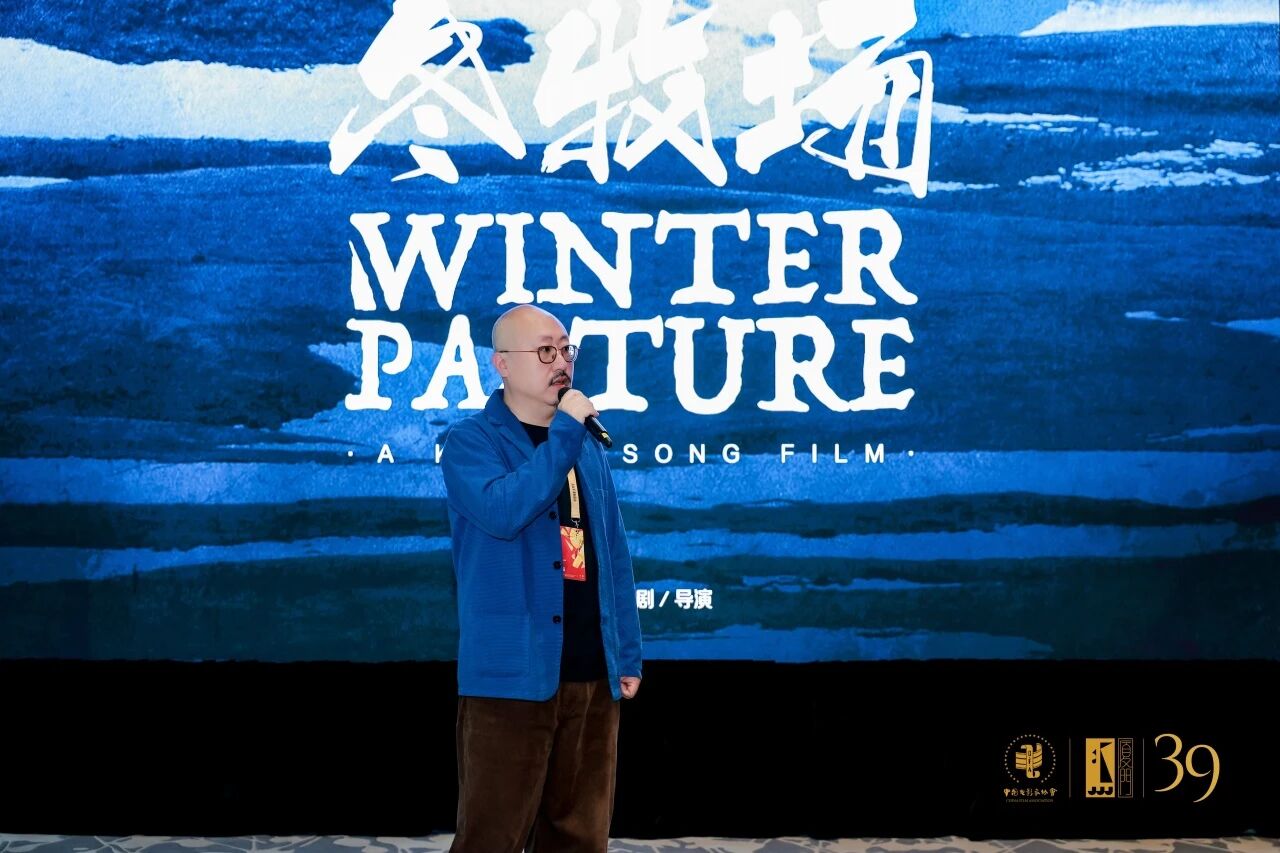
Market changes are also reminding the industry to understand its audiences anew. According to the Dengta Professional report, the average age of cinemagoers rose to 34.3 in 2026, and solo viewing reached 35.6%. At the same time, blockbusters no longer take everything: niche dark horses and revenue-sharing films are recovering, audiences care more about word of mouth and the content itself, and genre films are drawing young viewers back. This means the film industry needs to understand the needs of different audiences in finer detail and pay attention to diverse life experiences and emotional expression.
Facing a Wider Future
As an art form with a history of more than 130 years, cinema has always looked for new ways of expression amid technological innovation and changing times. The industry needs to embrace new technology and explore new channels, while respecting the laws of creation and holding on to good stories.
Facing the sea and connecting with the world, GRIFF Industry will continue to bring industry resources together, promote exchange and cooperation with openness, and build bridges for creators to wider markets. For what shapes the future of cinema is not only ever-changing technology and markets, but above all the people who keep exploring, creating and telling stories today.