Focusing on the Present, Answering Questions from Young Filmmakers
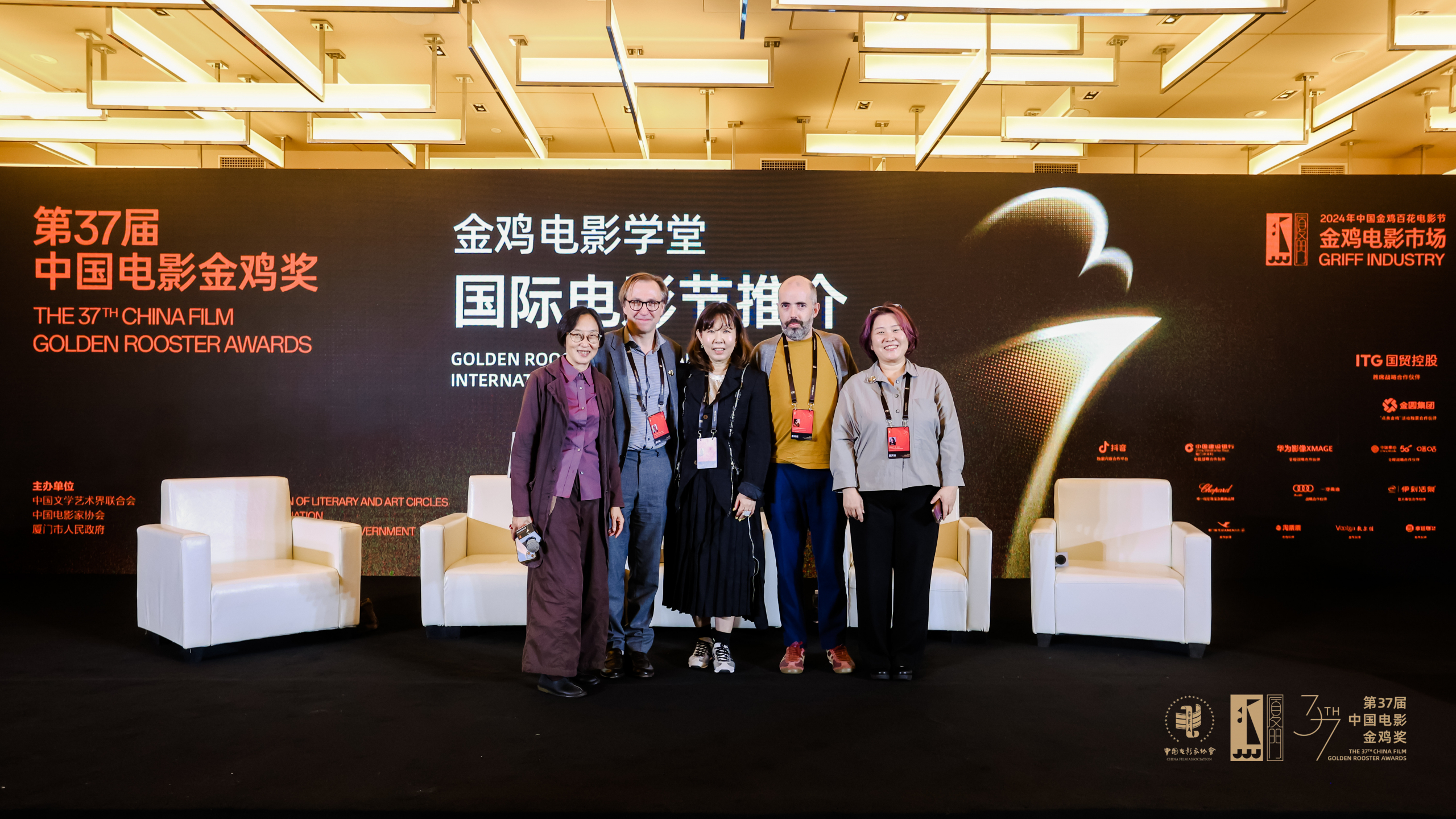
At the Golden Rooster Film Academy international film festival presentation, Fang Meibao, Artistic Director of the Golden Rooster International Film Section, and directors of several international film festivals held an in-depth discussion on “How Film Festivals Function in the Global Industry”. They compared the strategies, histories and market influence of festivals in different countries and regions. The guests shared their experience of meeting market challenges, of giving emerging directors a platform at festivals and of helping films find the right audiences across cultures, presenting a fuller picture of the global festival landscape and offering young filmmakers new perspectives.

The guests began with what makes each festival distinctive and explained their strategies. Hyejung Jeon, founder of the London East Asia Film Festival, said a festival’s vitality lies in discovering what makes it unique. The London East Asia Film Festival focuses on discovering a new generation of East Asian filmmakers, with particular attention to women’s stories, and has become one of the leading East Asian film festivals in the UK. For Jeon, building audiences is equally important. Over more than ten years, the festival has kept renewing its sections and programming, drawing more and more young audiences and keeping the festival active.
As times change, audiences are shifting to watching films at home and in other settings outside the cinema. Bernhard Karl of Filmfest München described this as “the new challenge of bringing audiences into cinemas.” He believes that programmers should respond by focusing on the local, for example by inviting local artists to champion films and curating special thematic sections, so as to increase local audiences’ cinema attendance and redefine the meaning of cinemagoing together with them.
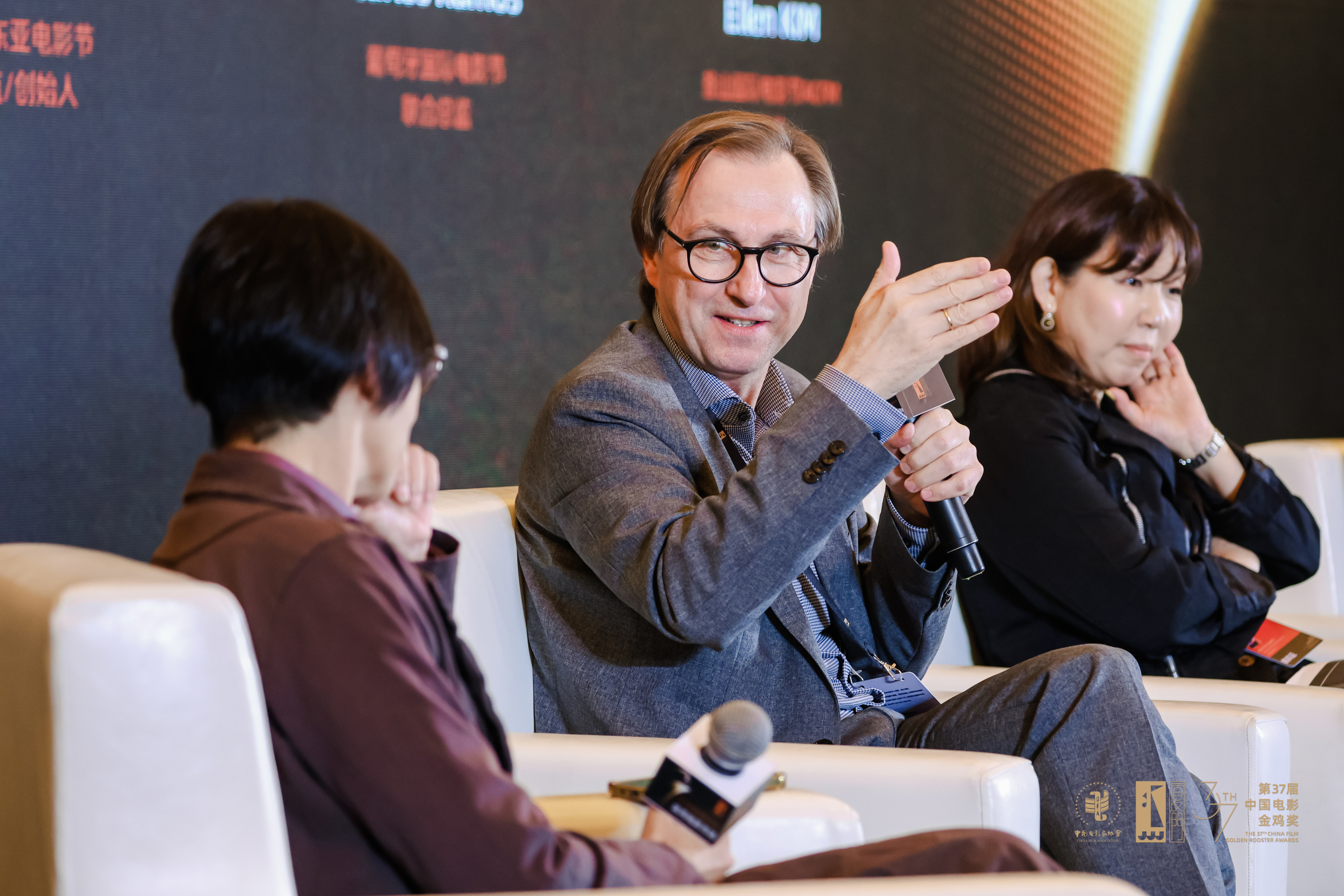
“The festive, communal nature of festivals makes them a cultural event in city life that is hard to replace.” Carlos Ramos, co-director of the Lisbon International Film Festival, agreed with this view. A film festival is not only a platform for international cultural exchange but also a social space that brings local audiences together. In his view, the Lisbon festival aims to create an atmosphere for local audiences that goes beyond everyday moviegoing: “What we want most is to connect filmmakers with local audiences and be a bridge between them.”
Festivals are inevitably limited by local resources, but flexible programming can often make up for this. Kim Ye-dan, Director of the Asian Contents & Film Market (ACFM) of the Busan International Film Festival, said Busan is a successful example of combining local and international character. With Korea’s film resources concentrated in Seoul, the Busan International Film Festival has drawn on the city’s tourism resources and its history and culture to break the industry’s single-centre pattern. Since its founding in 1996, the festival has supported emerging Asian directors with funding and a platform through programmes such as the Asian Cinema Fund. Kim stressed that the festival aims to be “the home of Asian cinema”, a platform for showing and promoting Asian films, with particular attention to close cooperation with Chinese filmmakers.
The Busan International Film Festival also encourages filmmakers to bring spontaneity and their own artistic ideas to their work, an originality that cannot be replaced. Kim hopes to make the festival a leading platform for Asian filmmakers and encouraged young Chinese directors to “take on the challenge of the Busan International Film Festival.”
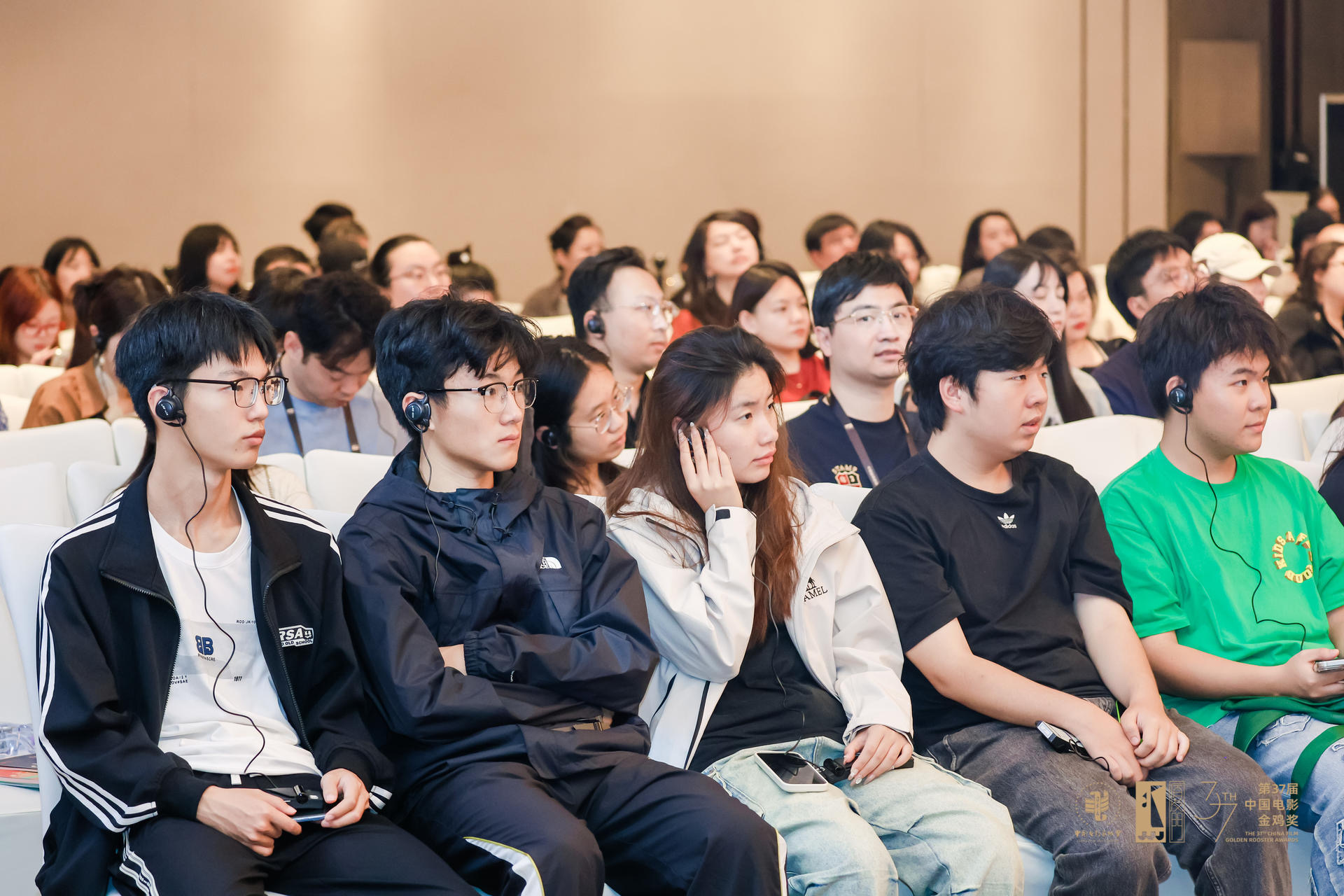
Film festivals of different sizes in different parts of the world are widening the audiences for their selected films through new programming and market strategies, raising their profile, supporting emerging filmmakers and promoting a diverse global film industry. By crossing regional boundaries, these festivals foster cross-cultural dialogue and cooperation in film. For young Chinese filmmakers, this represents broad opportunities for the future.