











Danzhen Wangjia
Winner Profile
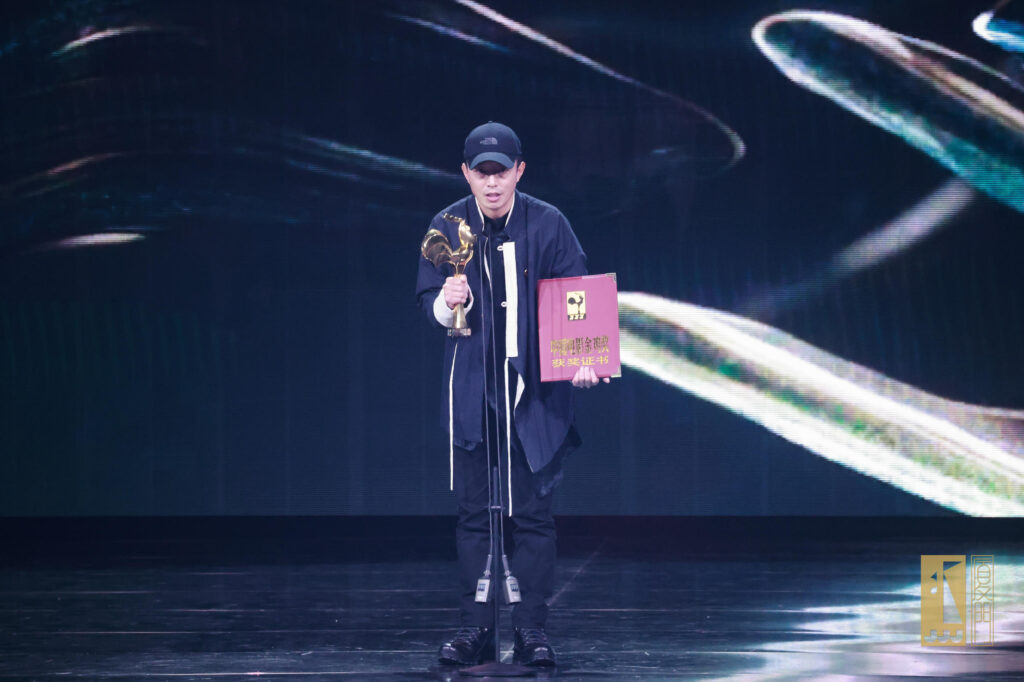

Best Directorial Debut
Director, Drifting with the Wind
Jury Citation
In Drifting with the Wind, director Danzhen Wangjia shows a deep grounding in ethnic culture and command of Tibetan subject matter. With compelling characterisation and an unadorned, sincere visual style, he tells a story of resistance and growth among Tibetan women, reflecting the director's serious thinking about the conditions in which Tibetan women live. Winner of Best Directorial Debut.
Drifting with the Wind: Synopsis
The film tells the story of Sangdan, a woman of unknown origin, and her daughter Gela. After Sangdan arrives in Ji Village, her beauty draws the attention of the village men, and to survive she sometimes has to submit to their abuse. She later gives birth to a daughter without knowing who the father is. Enbo is the only man in the village who shows kindness to Sangdan and her daughter. As he helps them, the villagers begin to gossip about their relationship and even suspect that Enbo is Gela's real father. One day Gela takes Enbo's son, Tuzi, out to play, which indirectly leads to the boy falling suddenly ill that night. In his distress, Enbo breaks off all ties with Sangdan and her daughter. As Gela enters adolescence, she rebels against tradition. She climbs the sacred mountain, which women are forbidden to ascend, to make offerings, and she encourages her mother to support herself and break free of men's control. With her daughter's encouragement, Sangdan gradually gains confidence in life and becomes an independent woman who no longer relies on men. Drifting with the Wind is adapted from the novel Gela the Dog Boy by the Tibetan writer Alai, winner of both the Mao Dun Literature Prize and the Lu Xun Literature Prize.