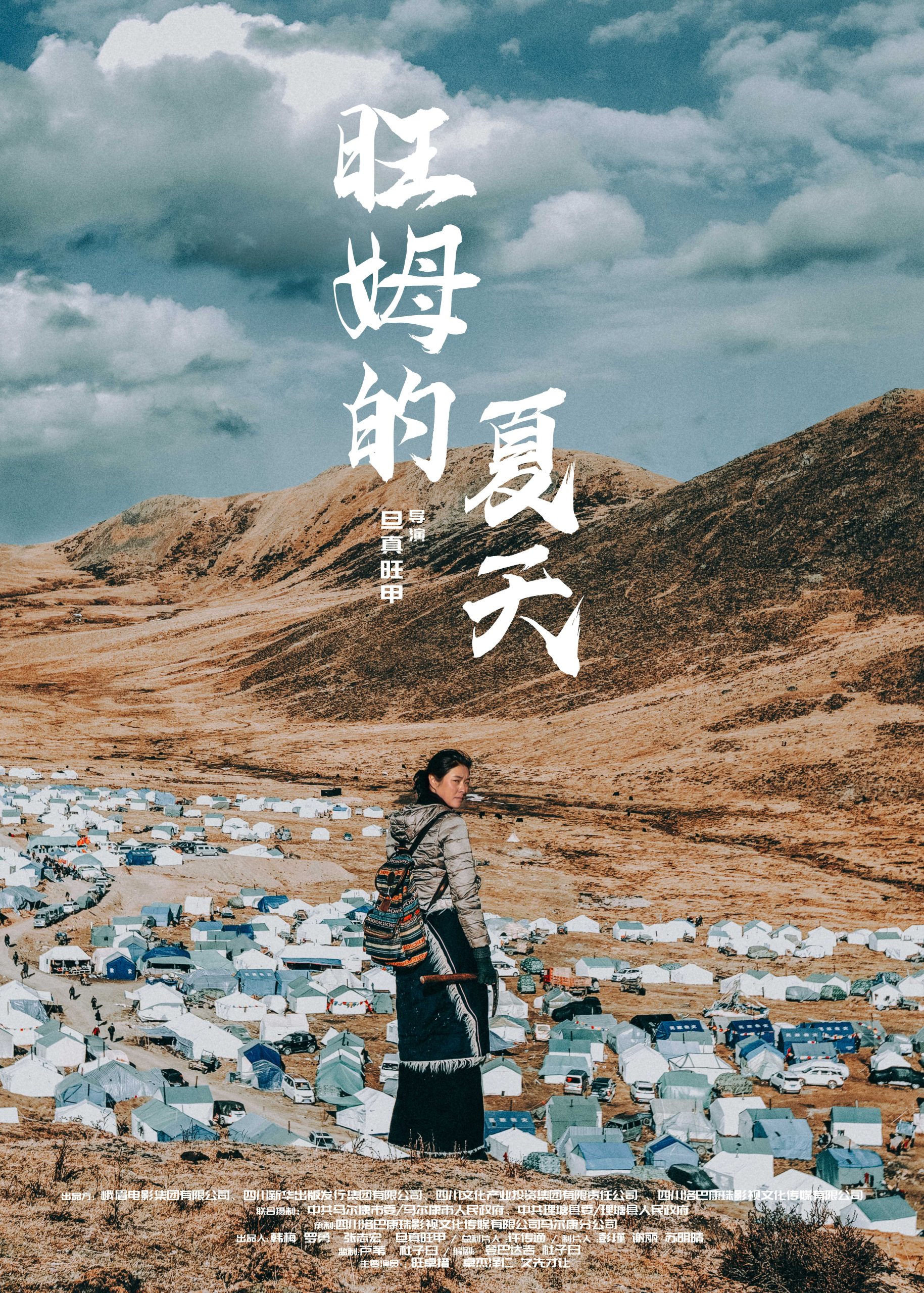
Creative Statement
The film is again made by the original creative team of Drifting with the Wind, which was selected for the Busan International Film Festival and won Best Foreign Language Film at a film festival in Rome. Following Drifting with the Wind, director Danzhen Wangjia's debut, it is another film about Tibetan women. With a distinctive humanistic outlook and a female perspective, and drawing on the real lives of Tibetan people, the film tells the world a true story of Tibetan people beyond what they might imagine.
Synopsis
After her husband's death, Wangmu becomes a widow burdened with the debts he left behind. She has to face the gossip of the villagers and also settle her husband's accounts. According to Tibetan tradition, debts not repaid in this life must be repaid in the next. Every cent of the debt must be repaid, but those who owed her husband money ignore her, claiming that a debt dies with the debtor. To clear the karmic obstacles on her husband's path to rebirth, Wangmu has no choice but to chase the debtors to settle the accounts, with little success: she recovers very little money. Without her husband, Wangmu is coveted by a group of men, and the pressures of life bear down on her. These pressures change her from a young wife into an active, capable, independent woman. With little hope of repaying the debts, Nyima Wangmu in her despair pins her hopes on a merchant who owes her husband a large sum. As life and debt both pass through cycles of rebirth, the fates of the women heading two families change completely.